
Rice, the staple food for over half of the world’s population, holds within its humble grains a wealth of potential waiting to be unlocked. The art of paddy processing, a centuries-old practice that transforms raw rice paddies into the nourishing staple we know and love, is a delicate dance of tradition and innovation. In this article, we delve into the intricate world of rice processing, exploring the ancient techniques and modern advancements that have made rice the cornerstone of global cuisine. Join us as we uncover the hidden artistry and untapped potential of this essential crop.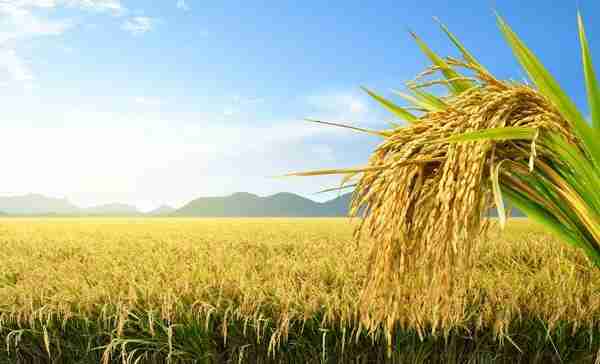
Understanding the Importance of Proper Paddy Drying Techniques
Rice, a staple food for more than half of the world’s population, goes through a complex process before it reaches our plates. Proper paddy drying techniques play a crucial role in maintaining the quality and nutritional value of rice. When done correctly, it helps prevent mold growth, reduce moisture content, and ensure uniform drying.
By , farmers and processors can unlock the full potential of rice. Implementing best practices such as using mechanical dryers, monitoring moisture levels, and proper storage can lead to higher yields, improved quality, and increased profitability. Investing in the art of paddy processing is not only beneficial for the industry but also for consumers who rely on this essential food source.
Exploring the Various Methods of Rice Milling for Optimal Results
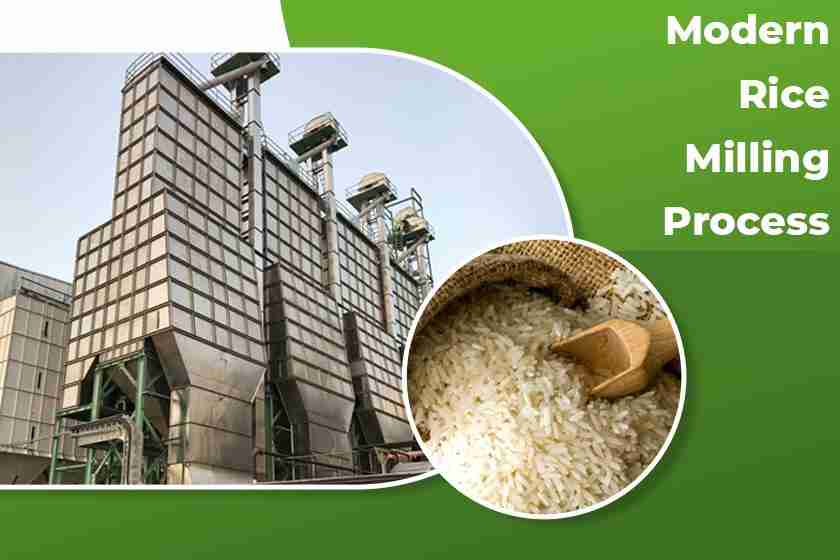
Rice milling is a crucial process that determines the quality, texture, and taste of the final product. There are numerous methods of rice milling that farmers and producers can utilize to achieve optimal results. One method is the traditional milling process, where the hull is removed using a pestle and mortar or by pounding the grains with a wooden mallet.
Another method is the modern milling process, which involves the use of machines such as dehuskers, polishers, and graders to remove the husk, bran, and germ from the grains. This method is more efficient and faster than traditional milling, resulting in a higher yield of polished, white rice. By exploring and understanding the various methods of rice milling, producers can unlock the full potential of the paddy and produce high-quality rice that meets consumer demands.

Maximizing Efficiency in Rice Polishing for Premium Quality Grains
Rice polishing is a crucial step in the rice milling process that plays a significant role in producing premium quality grains. To maximize efficiency in rice polishing, it is essential to implement the right techniques and technologies. Utilizing modern machinery such as precision rice polishers can help achieve the desired level of polishing without compromising the nutritional value of the grains.
Moreover, maintaining optimal moisture levels throughout the polishing process is key to preserving the integrity of the rice grains. By carefully controlling the moisture content, rice processors can prevent breakage and ensure a uniform polish. Additionally, implementing quality control measures such as regular inspection of the polishing equipment and timely maintenance can further enhance the efficiency and quality of the rice polishing process.
Innovative Approaches to Rice Packaging and Storage for Extended Shelf Life
Rice is a staple food for billions of people around the world, with a long history of cultivation and consumption. To ensure that this valuable crop maintains its quality and nutritional value for an extended period, innovative approaches to packaging and storage are essential. One such approach is the use of vacuum sealing technology, which removes oxygen from the packaging to prevent spoilage and preserve freshness. Additionally, incorporating desiccants or oxygen absorbers in rice packaging can help control moisture levels and prevent the growth of mold and bacteria.
Another innovative method to prolong the shelf life of rice is the use of hermetically sealed bags, which create a barrier against moisture, pests, and contaminants. These airtight bags not only protect the rice from external factors but also help to retain its aroma and flavor. Furthermore, implementing proper temperature and humidity control in rice storage facilities can significantly extend the shelf life of rice. By adopting these innovative approaches to packaging and storage, we can unlock the full potential of rice as a nutritious and versatile food source.
Key Takeaways
In conclusion, the art of paddy processing is a delicate and intricate practice that holds the key to unlocking the potential of rice. By understanding and implementing the various techniques and methods involved in this ancient craft, we can truly harness the power of this staple crop and create a plethora of delicious and nutritious dishes that have sustained civilizations for centuries. So let us continue to appreciate and improve upon this art form, ensuring that future generations can continue to benefit from the wondrous world of rice. As we delve deeper into the complexities of paddy processing, let us remember to always respect the grain and the traditions that have brought it to our tables. The journey of rice from paddy to plate is a fascinating one, filled with history, culture, and endless possibilities. Let us savor each grain and celebrate the artistry behind its transformation.



