
Rice, a staple food for over half of the world’s population, has a rich and fascinating journey from lush green paddies to steaming plates on dining tables around the globe. This grain has been cultivated and consumed for centuries, with each step of the process contributing to its final form on our plates. Join us as we explore the intricate journey of rice, from the fields where it’s grown to the plates where it’s savored, uncovering the stories and secrets behind this humble yet essential crop.
The Rich History of Rice Cultivation
Rice cultivation has a rich history that dates back thousands of years, with origins in ancient China and India. This staple food has not only sustained communities but also played a significant role in shaping cultures and traditions around the world. The journey of rice from field to plate is a fascinating one, involving various cultivation techniques, harvesting methods, and culinary traditions.
- Rice cultivation dates back over 10,000 years
- Asia produces over 90% of the world’s rice
- There are thousands of rice varieties, each with unique flavors and textures
| Rice Variety | Origin | Characteristics |
|---|---|---|
| Basmati | India | Fragrant and long-grain |
| Arborio | Italy | Short-grain, ideal for risotto |
| Jasmine | Thailand | Aromatic and sticky |
Whether it’s sushi in Japan, paella in Spain, or biryani in India, rice plays a central role in many traditional cuisines. Beyond its culinary significance, rice cultivation also plays a crucial role in the global economy, providing livelihoods for millions of farmers worldwide. As we continue to enjoy this humble grain in all its forms, it’s essential to remember the centuries of tradition and innovation that have shaped .
Uncovering the Complex Process of Rice Harvesting
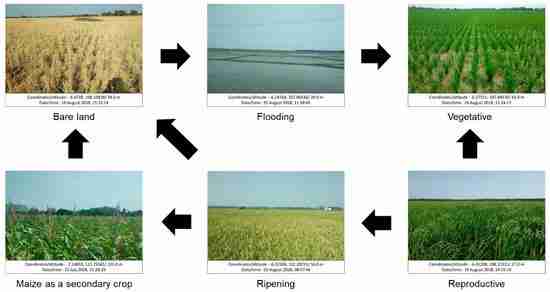
Rice farming is a labor-intensive process that involves several stages before it reaches our plates. To uncover the complexity of rice harvesting, one must understand the meticulous steps involved in cultivating this staple grain. Farmers carefully nurture their rice fields from planting to harvesting, ensuring a bountiful yield at the end of the season.
Once the rice crops have reached maturity, farmers begin the harvesting process by carefully cutting the stalks and gathering the grains. This is followed by threshing, where the grains are separated from the stalks. The next step involves winnowing, where the chaff is separated from the grains through a process of tossing them in the air. Finally, the rice is dried and stored before it is ready to be milled into the polished grains we are familiar with. The journey of rice from the field to our plates is a testament to the hard work and dedication of farmers who ensure we have this essential food source on our tables.

From Milling to Cooking: Maximizing the Nutritional Value of Rice
Rice is a staple food for billions of people around the world, and its journey from the field to your plate is a fascinating one. The nutritional value of rice can vary depending on how it is processed and cooked, so understanding the different stages of production is key to maximizing its benefits.
After being harvested, rice goes through a series of milling processes to remove the outer husk, bran, and germ layers. This results in polished white rice, which is the most common type found in supermarkets. However, these layers contain valuable nutrients such as fiber, vitamins, and minerals. To retain these nutrients, consider opting for brown, red, or black rice varieties instead. Cooking methods also play a crucial role in preserving the nutritional content of rice. Steaming, boiling, or pressure cooking are all great ways to ensure that your rice retains its vitamins and minerals, while frying or deep-frying can deplete its nutritional value. By making informed choices during the milling and cooking process, you can maximize the health benefits of this versatile grain.
Sustainable Farming Practices for a Brighter Future
Rice is a staple food that plays a crucial role in the diets of people all around the world. But have you ever stopped to think about the journey this essential grain takes from the field to your plate? Sustainable farming practices are at the heart of ensuring that rice production remains both environmentally friendly and economically viable.
From organic fertilizers to crop rotation, farmers are constantly innovating to reduce the use of harmful chemicals and increase the resilience of their crops. By embracing techniques such as water conservation and natural pest management, rice growers are not only protecting the environment but also safeguarding the future of their livelihoods. By supporting sustainable farming practices, we can all play a part in building a brighter future for generations to come.
In Conclusion
As we conclude our exploration of the journey of rice from field to plate, we are reminded of the incredible process that sustains millions around the world. From the hands that plant the seeds to the mouths that savor each grain, rice connects us all in a universal experience of nourishment and community. Next time you sit down to enjoy a bowl of this humble staple, take a moment to appreciate the journey it has taken to reach your plate, and savor the connection it brings to the world around you. Bon appétit!



