
Nestled in the lush countryside, where blades of golden wheat sway in the breeze and the aroma of fresh grains fills the air, lies the heart of harvest – the rice mill plant. This unassuming yet essential facility is a hub of activity during the harvest season, where the transformation of paddy into rice takes place. Join us as we step inside the fascinating world of the rice mill plant, where the diligent work of farmers and modern machinery converge to bring one of the world’s staple foods to our tables.
Exploring the Inner Workings of a rice mill plant
As you step inside a rice mill plant, you are immediately enveloped in the rhythmic sounds of machinery humming and the earthy scent of freshly harvested rice. The intricate network of conveyor belts, storage bins, and processing units come together like a symphony, each component playing a vital role in the journey from paddy to polished rice.
From the soaking tanks where the rice is hydrated to the hullers that remove the outer husk, every step in the milling process is crucial to ensure the quality and consistency of the final product. Workers move seamlessly between different stations, monitoring the flow of rice and adjusting settings to optimize efficiency. It’s truly a dance of precision and teamwork that culminates in the production of the staple food that feeds millions around the world.

Optimizing the Milling Process for Maximum Efficiency
Rice milling is an intricate process that requires careful optimization to achieve maximum efficiency. By fine-tuning various aspects of the milling process, mill plant operators can increase their output and improve the quality of their final product. One key aspect of optimizing the milling process is ensuring that the machinery used is properly calibrated and maintained. Regular maintenance checks and adjustments can help prevent breakdowns and ensure that the mill plant is operating at peak efficiency.
Another important factor in optimizing the milling process is the selection of the right rice varieties. Different rice varieties have unique characteristics that can affect the milling process, such as grain size and shape. By choosing the right varieties for their mill plant, operators can improve both the efficiency and the quality of their output. Additionally, implementing automation and digital monitoring systems can help streamline the milling process and identify areas for improvement. By embracing technology and innovation, mill plant operators can take their operations to the next level and achieve new levels of efficiency.
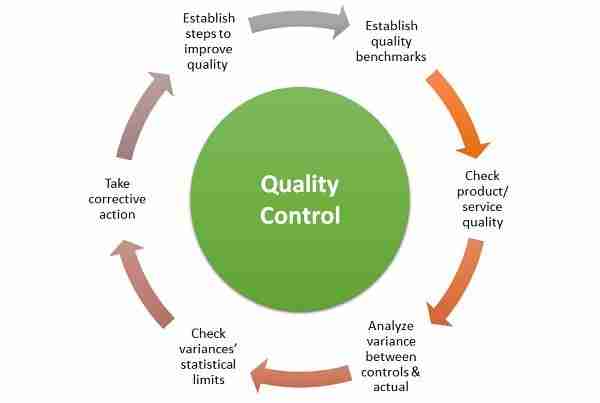
Ensuring Quality Control in Rice Production
Rice production is a complex process that involves many steps to ensure the highest quality of the final product. One crucial aspect of this process is the rice mill plant, where the harvested rice is cleaned, milled, and polished to perfection. At the heart of every rice mill plant is a team of dedicated workers who carefully monitor each step of the production process to ensure that only the best rice makes it to the market.
Inside the rice mill plant, state-of-the-art machinery is used to clean the rice and remove any impurities before it is milled. The rice is then milled to remove the outer husk and bran layers, leaving behind the white rice grain that we all know and love. Finally, the rice is polished to give it a shiny appearance that is not only visually appealing but also enhances the taste and texture of the rice. With strict quality control measures in place, consumers can trust that the rice they are enjoying has been produced to the highest standards.
Implementing Sustainable Practices in Milling Operations
When it comes to , the focus shifts to the heart of the harvest - the rice mill plant. This vital facility plays a crucial role in processing rice from field to table, making it essential to adopt environmentally friendly strategies to minimize waste and reduce energy consumption.
One approach to sustainability in milling operations is investing in energy-efficient machinery and equipment. By utilizing state-of-the-art technology, mills can significantly reduce their carbon footprint while maximizing productivity. Additionally, implementing proper water management techniques, such as recycling and reusing water in the milling process, can help conserve this precious resource. Embracing sustainable packaging materials and methods can also contribute to a more eco-friendly operation, creating a positive impact on both the environment and the community.
The Conclusion
As we come to the end of our exploration into the heart of the rice mill plant, we hope you have gained a new appreciation for the meticulous process that goes into transforming raw paddy rice into the staple we all know and love. From the drying and cleaning stages to the milling and packaging processes, every step is crucial in ensuring the quality and purity of the final product. Next time you enjoy a bowl of rice, take a moment to reflect on the intricate journey it has taken to reach your plate, and the hard work and dedication of the individuals behind the scenes at the rice mill plant. With this newfound understanding, may you savor each and every grain with gratitude and respect. Thank you for joining us on this enlightening journey through the heart of harvest.



