
In the heart of every grain lies the potential for transformation – a humble kernel of corn is no exception. Maize milling is a centuries-old craft that harnesses the power of human ingenuity to grind, sift, and process corn into the versatile and essential ingredient we know as cornmeal. Join us on a journey through the art of maize milling, where tradition and innovation converge to turn a simple corn kernel into a culinary powerhouse.
Mastering the Process of Maize Milling
Maize milling is a skill that has been passed down through generations, with each miller adding their unique touch to the process. It involves taking raw corn kernels and transforming them into fine flour that can be used in a variety of dishes. The key to mastering the art of maize milling lies in understanding the intricacies of the process and honing your technique over time.
Here are some essential steps in the maize milling process:
- Selection of high-quality corn kernels
- Cleaning and de-germination
- Grinding the corn into flour
- Sifting and packaging the flour

The Key Equipment and Tools Needed for Efficient Maize Milling
When it comes to efficiently turning corn into flour through maize milling, having the right equipment and tools is crucial. One key piece of equipment that is essential for this process is a maize mill. Maize mills come in various sizes and capacities, but they all serve the same purpose of grinding maize kernels into fine flour.
Other important tools needed for efficient maize milling include:
- Grain Cleaning Equipment: to remove impurities and debris from the maize kernels before milling.
- Maize Sheller: to remove the outer husks of the maize kernels before grinding.
- Flour Sieves: to sift the milled flour and separate it into different textures.
| Equipment | Function |
|---|---|
| Maize Mill | Grind maize kernels into fine flour |
| Grain Cleaning Equipment | Remove impurities and debris |
| Maize Sheller | Remove outer husks |
Optimizing Maize Milling Techniques for Maximum Flour Production
When it comes to maximizing flour production from maize milling, utilizing the right techniques is key. By optimizing the milling process, you can ensure that you are getting the most out of each corn kernel, resulting in higher yields and quality flour. Here are some tips for mastering the art of maize milling:
- Proper Cleaning: Before milling, make sure to thoroughly clean the corn to remove any impurities that can affect the quality of the flour.
- Adjusting the Milling Settings: Fine-tune your milling equipment to the ideal settings for maximum flour extraction, taking into account factors such as moisture content and kernel size.
- Utilizing Various Milling Techniques: Experiment with different milling techniques, such as impact milling or roller milling, to see which method yields the best results for your specific corn variety.
| Technique | Benefits |
|---|---|
| Impact Milling | Higher flour extraction rates |
| Roller Milling | Consistent particle size distribution |
By implementing these strategies and continuously assessing and adjusting your milling process, you can effectively turn corn into high-quality flour, maximizing your production output and efficiency.
Exploring the Various Uses of Maize Flour in Culinary Applications
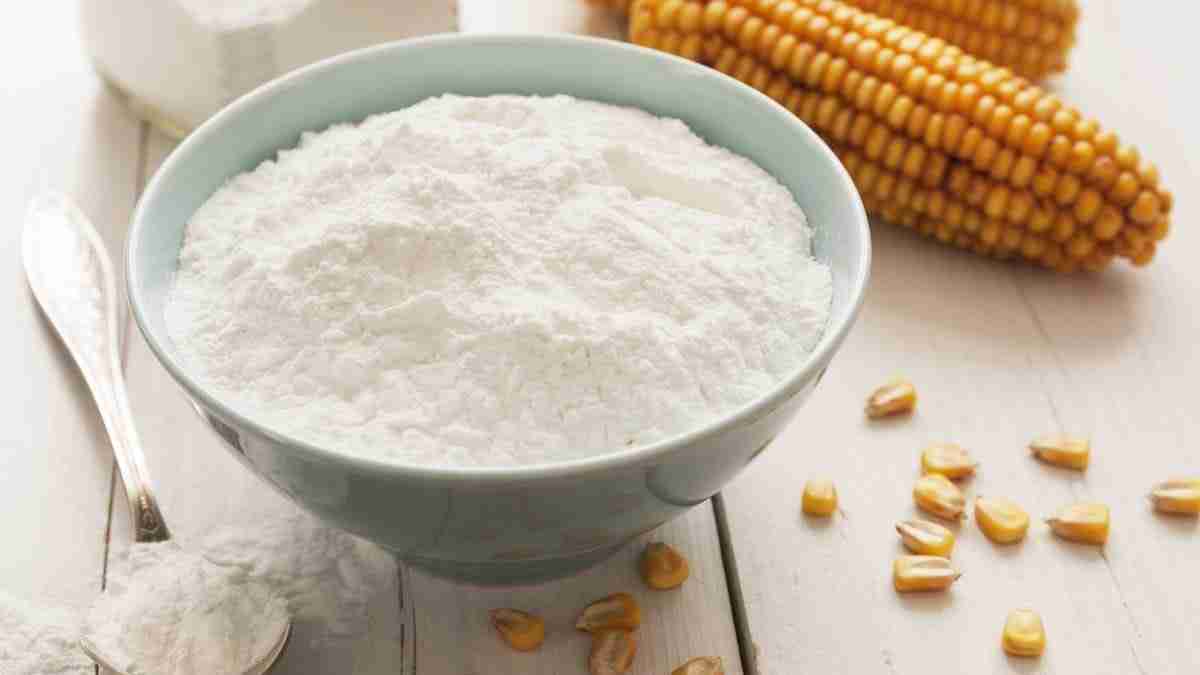
Maize flour, also known as corn flour, is a versatile ingredient that has been used in culinary applications for centuries. This humble grain has the ability to be transformed into a wide range of dishes, from traditional cornbread to delicious tortillas. The process of milling maize into flour is an art form in itself, requiring precision and skill to achieve the perfect consistency.
When it comes to cooking with maize flour, the possibilities are endless. Here are some of the various uses of maize flour in culinary applications:
- Baking: Maize flour can be used to create a variety of baked goods, such as cornbread, muffins, and pancakes.
- Breading: Maize flour is a popular choice for breading meats and vegetables before frying.
- Thickening: Maize flour can be used as a thickening agent in soups, stews, and sauces.
Key Takeaways
As we’ve seen, the process of maize milling is not just a simple task of grinding corn into flour, but a precise art that requires skill and patience. From selecting the right corn to mastering the techniques of milling, every step plays a crucial role in producing high-quality flour.
Next time you enjoy a delicious cornbread or tortilla, take a moment to appreciate the intricate process that went into transforming those humble kernels of corn into a staple ingredient. The art of maize milling may be centuries old, but its importance in our daily lives remains as strong as ever.
So, the next time you bite into a piece of cornbread or sip on a cup of corn-based beverage, remember the artistry that goes into turning corn into flour. It’s a craft that has been practiced for centuries and continues to be a vital part of culinary traditions around the world. Whether you’re grinding corn by hand or using a modern machine, the end result is the same – a satisfying taste of tradition and hard work. So, here’s to the art of maize milling – may it continue to nourish and delight us for generations to come.



