
In the heart of every grain of rice lies a story waiting to unfold – the story of the ancient art of rice milling. From the paddy fields to the dinner table, the process of transforming rough rice into polished grains is a delicate dance of tradition and technology. Join us as we delve into the intricate world of rice milling, exploring the techniques, tools, and expertise that have been passed down through generations. Whether you’re a seasoned rice connoisseur or a curious novice, this detailed guide will take you on a journey through the fascinating world of rice processing.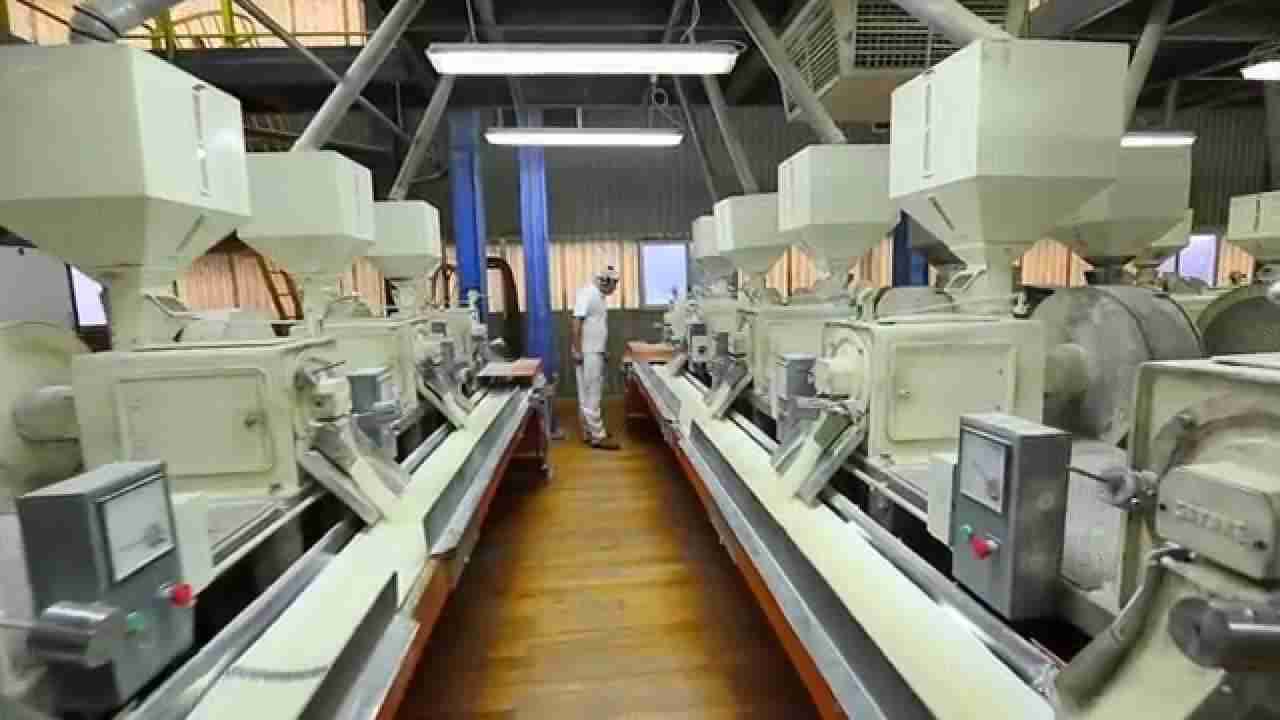
Understanding the Basics of Rice Milling
Rice milling is a process that involves removing the husk and bran layers from rough rice to produce white rice grains that are free from impurities. This process is essential for creating the polished rice that we commonly consume in our daily meals. is crucial for ensuring the quality and nutritional value of the final product.
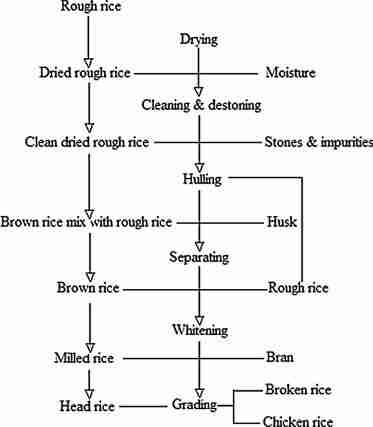
During the milling process, different stages are involved, each playing a vital role in producing high-quality rice. These stages include cleaning, husking, whitening, polishing, and grading. Each stage requires precision and proper handling to ensure the rice grains are not damaged or contaminated. By mastering the art of rice milling, producers can deliver top-quality rice to consumers around the world.
Key Techniques for Successful Rice Milling
Choosing the right variety of rice: Selecting the appropriate type of rice for milling is crucial for the success of the process. Factors such as grain size, shape, and moisture content all play a significant role in determining the quality of the final product. By understanding the characteristics of different rice varieties, millers can optimize their milling techniques to produce high-quality rice efficiently.
Proper cleaning and drying: Before the milling process begins, it is essential to thoroughly clean and dry the rice to remove any impurities and excess moisture. This step not only ensures the safety of the final product but also improves the milling efficiency. By investing in modern cleaning and drying equipment, millers can streamline this process and achieve consistently high-quality rice output.
Maximizing Efficiency in the Rice Milling Process
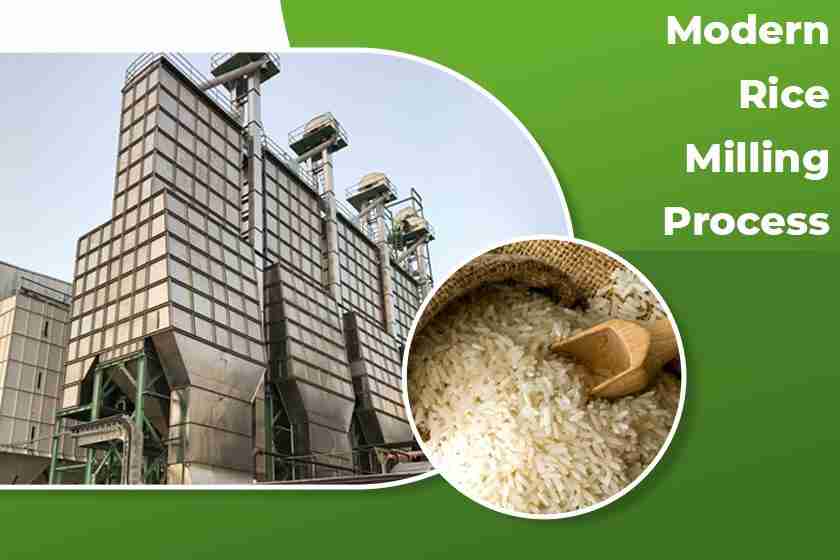
Rice milling is a delicate process that requires precision and attention to detail. By , farmers and millers can increase their productivity and output. One key aspect of achieving optimal efficiency is through the use of modern technology and machinery. Investing in state-of-the-art rice milling equipment can help streamline the process and reduce the risk of human error.
Another important factor in maximizing efficiency is proper maintenance of the machinery. Regular cleaning and servicing of the equipment can help prevent breakdowns and ensure smooth operation. Additionally, implementing best practices such as sorting the rice grains before milling and optimizing the settings on the machines can significantly improve the overall efficiency of the milling process.
Best Practices for Maintaining Quality Standards in Rice Milling Operations
When it comes to maintaining quality standards in rice milling operations, attention to detail is key. One of the best practices is to regularly clean and maintain the milling equipment to ensure optimal performance. This includes cleaning the machines, inspecting for any wear and tear, and replacing any damaged parts.
Another important aspect is to ensure proper storage of the rice grains before and after milling. This involves keeping the grains in a cool, dry place to prevent moisture absorption and contamination. Additionally, implementing strict quality control measures at every stage of the milling process can help guarantee a high-quality end product for consumers to enjoy.
In Retrospect
In conclusion, the art of rice milling is a fascinating process that involves precision, skill, and patience. By understanding the steps involved and the importance of each stage, we can truly appreciate the journey that rice takes from the field to our plates. Whether it’s traditional methods or modern technology, the goal remains the same - to produce high-quality, nutritious rice for all to enjoy. Next time you sit down to a delicious bowl of rice, take a moment to reflect on the intricate process that brought it to your table. Happy milling!



