
In a world where culinary exploration knows no bounds, one humble ingredient stands out as a symbol of abundance and nourishment: corn. The art of corn processing, known as cornucopia, has been a cornerstone of many cultures for centuries. Join us as we delve into the rich history and varied techniques of corn processing, and discover the endless possibilities this versatile grain has to offer. Welcome to the enchanting world of Cornucopia: Unveiling the Art of Corn Processing.
Heading 1: Exploring the Ancient Origins of Cornucopia
From the ancient civilizations of Mesopotamia to the thriving empires of the Americas, the cornucopia has been a symbol of abundance and prosperity for centuries. The art of corn processing, which gave rise to this iconic symbol, dates back to prehistoric times and continues to be an integral part of many cultures around the world.
**Cornucopia** in Latin means “horn of plenty,” representing the overflowing harvests and bountiful crops that sustain communities. The process of turning corn into a variety of foods, such as tortillas, tamales, and cornbread, requires skill and knowledge passed down through generations. **Corn** has been a staple food source for civilizations throughout history, providing sustenance and nourishment in times of scarcity.

Heading 2: Innovation and Efficiency in Modern Corn Processing Techniques
Corn processing has evolved significantly over the years, with new innovations and technologies revolutionizing the way we handle this versatile crop. From traditional methods to cutting-edge techniques, the corn industry continues to push the boundaries of efficiency and sustainability. One of the key areas of focus in modern corn processing is the development of advanced machinery and equipment that can handle large volumes of corn while maximizing yields and minimizing waste.
Another area of innovation in corn processing is the utilization of biotechnology to enhance the nutritional value of corn products. Through genetic engineering and breeding programs, scientists have been able to develop corn varieties that are higher in essential nutrients such as vitamins and minerals. This not only benefits consumers by providing healthier food options but also contributes to the overall sustainability of the corn industry by reducing the need for synthetic additives.
Heading 3: Maximizing Nutritional Value: Tips for Enhancing Corn Products
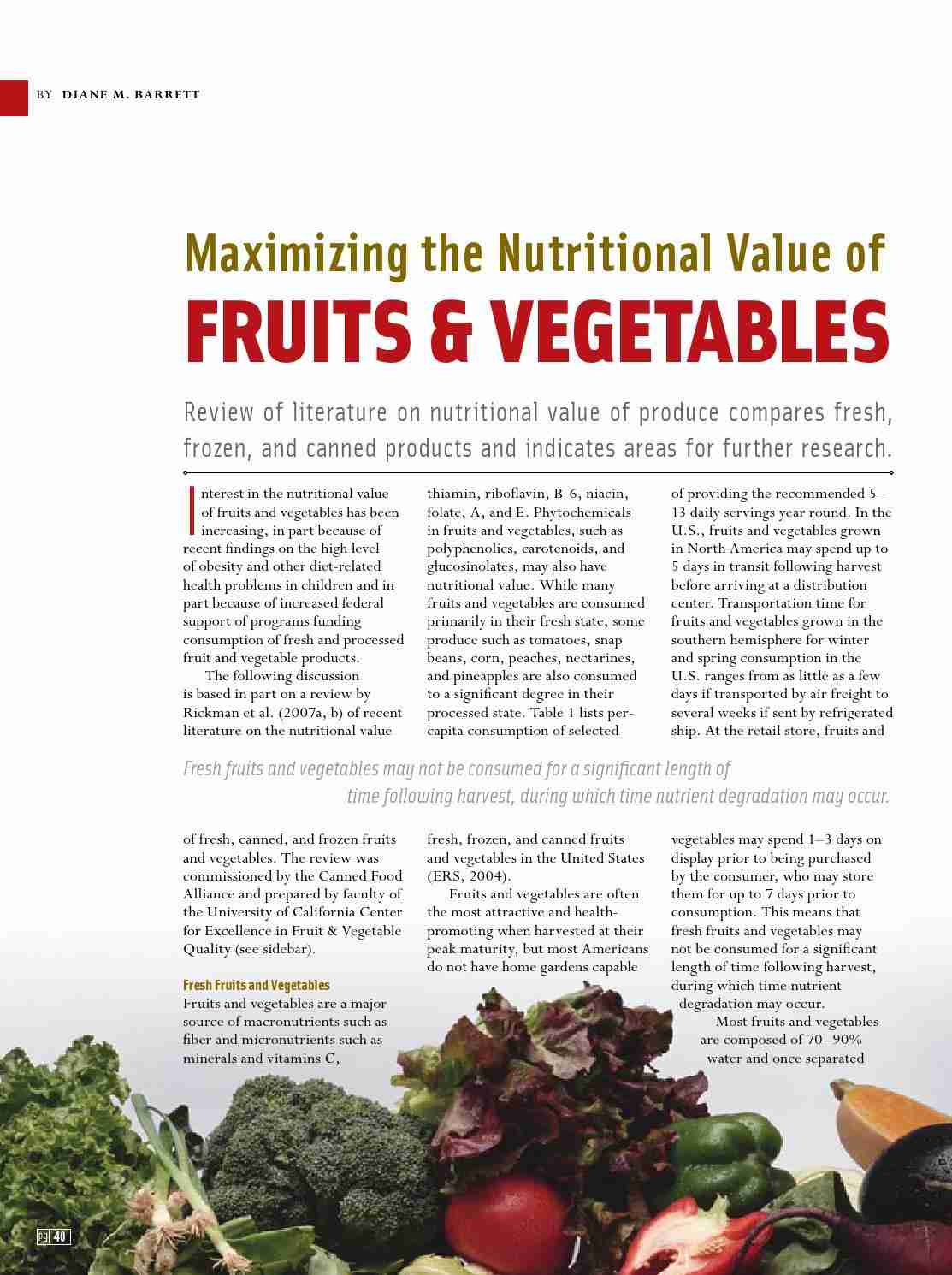
When it comes to maximizing the nutritional value of corn products, there are several tips and tricks that can help you enhance the benefits of this versatile grain. One of the key ways to increase the nutritional value of corn is to focus on processing techniques that preserve its natural vitamins and minerals. By choosing methods like steaming or boiling instead of frying, you can retain more of the beneficial nutrients found in corn.
Another tip for enhancing corn products is to pair them with other nutrient-rich ingredients. Adding beans, vegetables, or lean proteins to dishes like corn salads or chowders can boost the overall nutritional value of the meal. Additionally, incorporating whole grains like quinoa or brown rice with corn-based dishes can provide a more well-rounded and balanced source of essential nutrients.

Heading 4: Sustainability Practices in Corn Processing Industry
Corn processing industry plays a crucial role in the production of a wide range of products, from food and beverages to biofuels and industrial materials. As the demand for these products continues to grow, it is essential for companies in this sector to prioritize sustainability practices to ensure the long-term health of the environment and communities where they operate.
Some of the sustainable practices adopted by leading corn processing companies include reducing water and energy consumption, recycling waste materials, supporting local farmers, and investing in renewable energy sources. By implementing these practices, companies can not only minimize their environmental footprint but also improve operational efficiency and drive innovation in the industry. Embracing sustainability is not just a trend but a necessity for the long-term success and viability of the corn processing industry.
The Conclusion
As we come to the end of our exploration into the art of corn processing, we hope that you have gained a newfound appreciation for the humble cornucopia. From its ancient origins to its modern uses, the versatility and significance of corn cannot be overstated. Whether it is being ground into flour, popped into a tasty snack, or fermented into a delicious spirit, corn truly is a gift that keeps on giving. So next time you come across a cornucopia, take a moment to marvel at the artistry and ingenuity that goes into every kernel. Thank you for joining us on this journey through the fascinating world of corn processing.



