
The art of corn processing is a culinary journey that takes this humble crop from the fields to our tables in a myriad of delicious forms. Join us as we explore the intricate process of transforming golden kernels into an array of mouthwatering dishes, from traditional cornbread to crispy tortilla chips. In this article, we delve into the magic of corn processing, uncovering the secrets behind this staple ingredient that has captivated taste buds for centuries. So sit back, relax, and let the wonders of corn unravel before your eyes.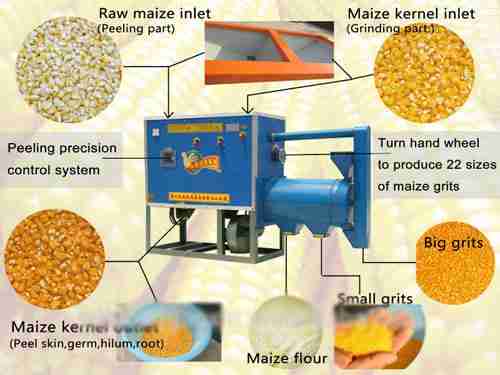
Heading 1: Understanding Different Components of Corn Processing
When it comes to corn processing, there are several key components that play a vital role in turning this humble grain into a versatile and delicious ingredient. One of the first steps in the process is harvesting the corn from the fields. This is typically done in the late summer or early fall when the corn is fully mature and ready to be picked. Once harvested, the corn is transported to processing plants where it undergoes a series of steps to transform it into various products.
- Cleaning: The harvested corn is cleaned to remove any dirt, debris, and impurities that may be present.
- Grinding: The cleaned corn is ground into a coarse meal, which can then be further refined into finer corn flour or cornmeal.
- Steeping: In some cases, the ground corn is soaked in water to soften the kernels and facilitate further processing.
- Drying: After steeping, the corn is dried to the desired moisture content before being processed further.
Once the corn has been cleaned, ground, steeped, and dried, it can be processed into a wide range of products including corn starch, corn syrup, corn oil, and even ethanol. Each of these products has its own unique use in the food industry, making corn processing a crucial part of the agricultural supply chain. Whether it’s being used to make sweet treats or fuel for vehicles, corn processing plays a key role in our everyday lives.

Heading 2: Techniques for Maximizing Nutritional Value in Corn Products
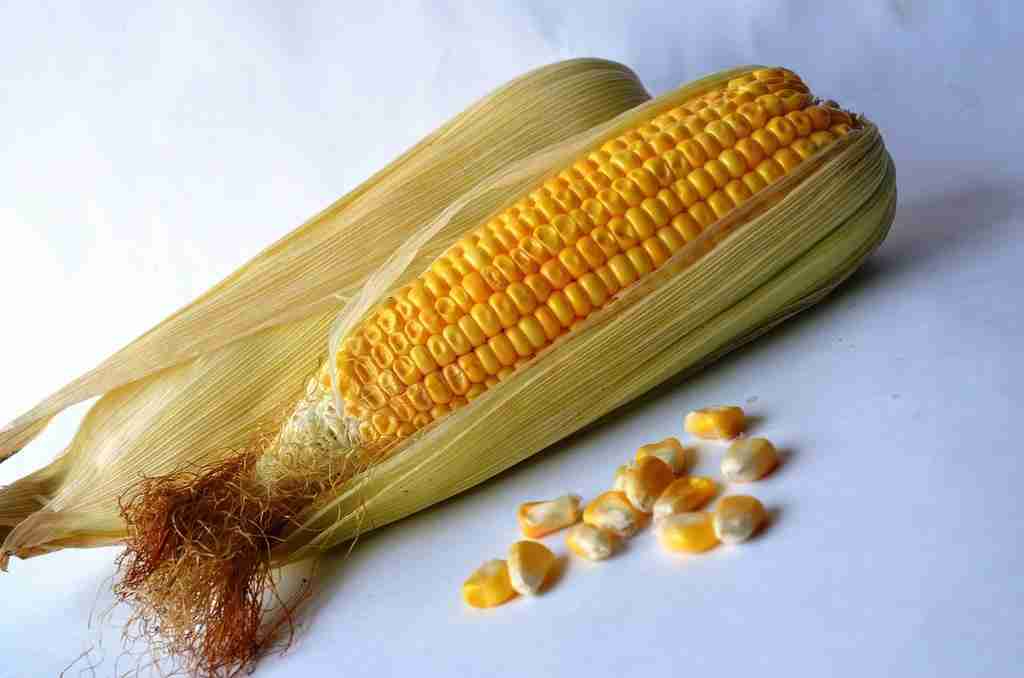
When it comes to maximizing the nutritional value in corn products, there are several key techniques that can be utilized from the field all the way to your table. Harvesting at the Right Time: Ensuring that corn is harvested at the peak of ripeness is crucial for retaining essential vitamins and minerals. This can help to maximize the nutritional content of the final product.
Another important technique is Proper Storage: Storing corn products in a cool, dry place can help to maintain their nutritional value over time. This can prevent spoilage and preserve important nutrients such as vitamin C and fiber. By following these techniques, you can ensure that you are getting the most out of your corn products in terms of nutrition and health benefits.
Heading 3: Tips for Preserving Freshness and Flavor in Corn-Based Dishes
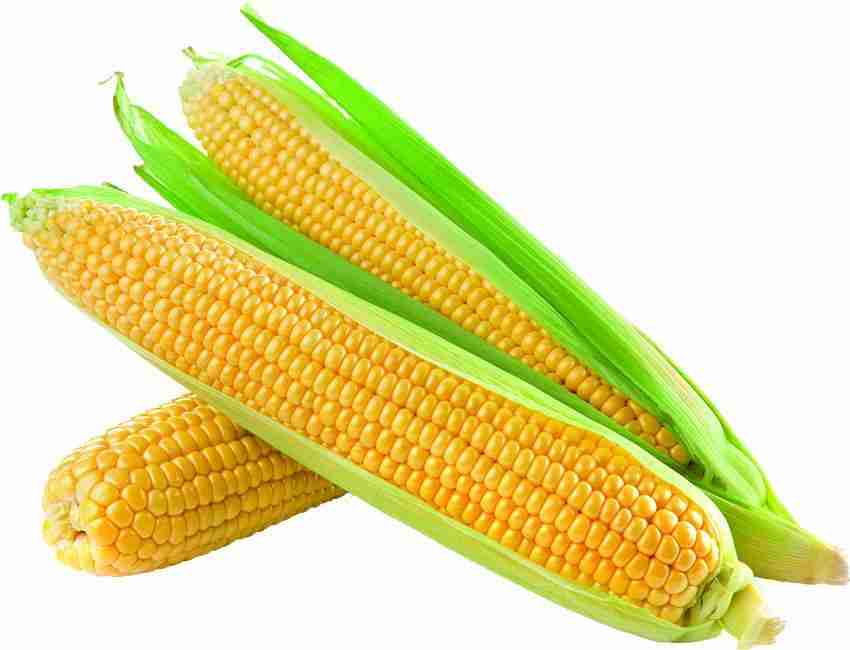
When it comes to preserving freshness and flavor in corn-based dishes, there are a few key tips to keep in mind. One important tip is to always use fresh corn whenever possible. Fresh corn has a crisp texture and sweet flavor that can really elevate a dish. If you can’t use fresh corn, frozen corn is a good alternative as it is typically picked and frozen at its peak freshness.
Another tip for preserving freshness and flavor in corn-based dishes is to cook the corn properly. Overcooking corn can cause it to become mushy and lose its natural sweetness. To avoid this, make sure to cook the corn for just the right amount of time, whether you’re boiling, grilling, or roasting it. Additionally, adding a pinch of salt and a splash of lime juice can help enhance the natural flavors of the corn.
Heading 4: Exploring Traditional and Modern Methods for Corn Processing
When it comes to corn processing, there is a rich history of traditional methods that have been passed down through generations. From hand-grinding cornmeal to making masa for tortillas, these traditional methods have stood the test of time for their ability to produce high-quality products. In contrast, modern methods of corn processing have emerged with the use of industrial machinery and technology to streamline production processes. These methods often result in mass-produced corn products that are readily available in supermarkets.
Despite the convenience of modern methods, many people still prefer the traditional approach to corn processing for its authenticity and connection to cultural heritage. Whether it’s using a metate to grind corn or a modern-day mill, the art of corn processing continues to evolve as new techniques and technologies are introduced. Both traditional and modern methods have their place in the world of corn processing, offering a variety of options for consumers to enjoy this versatile ingredient in different forms.
Key Takeaways
From the vibrant fields of corn to the savory dishes on our tables, the art of corn processing is a true testament to the ingenuity and creativity of humankind. Whether it’s the sweet crunch of corn on the cob or the comforting warmth of a bowl of creamy corn chowder, this versatile crop never fails to delight our taste buds and nourish our bodies. So the next time you enjoy a corn-based dish, take a moment to appreciate the journey that corn has made from field to table, and savor every delicious bite. The art of corn processing truly is a masterpiece worth celebrating.



