
In the secluded countryside of Japan, a centuries-old tradition breathes life into the art of rice milling. Delving deep into the heart of this intricate process unveils a hidden world of precision, patience, and dedication. Join us on a journey of discovery as we unlock the potential within each grain, exploring the time-honored techniques that elevate rice from a mere staple to a work of art.
Heading 1: Understanding the Importance of Proper Rice Milling Techniques
Rice milling is not just a mechanical process; it is an art form that requires precision and care to unlock the full potential of each grain. Proper rice milling techniques are crucial in ensuring the quality, taste, and nutritional value of the final product. By understanding the importance of these techniques, rice millers can elevate the quality of rice they produce and meet the expectations of consumers worldwide.
One of the key benefits of proper rice milling techniques is the preservation of nutrients in the rice grains. By removing the outer husk, germ, and bran layers without damaging the delicate inner kernel, millers can retain essential vitamins and minerals in the rice. This ensures that consumers receive the full nutritional benefits of rice, making it a healthy and wholesome staple in their diets. Additionally, proper milling techniques result in uniform grain size, texture, and appearance, enhancing the overall cooking experience and presentation of rice dishes. Investing in the art of rice milling is not just about producing rice; it is about creating a product that delights and nourishes consumers around the world.
Heading 2: Exploring the Different Milling Methods and Equipment
Rice milling is a centuries-old process that has evolved over time, with various methods and equipment developed to unlock the full potential of this staple food. One of the most popular milling methods is whitening, which involves removing the outer layers of rice to reveal the white grain underneath. Another method is polishing, where the rice is polished to remove the bran layer and give it a shiny appearance.
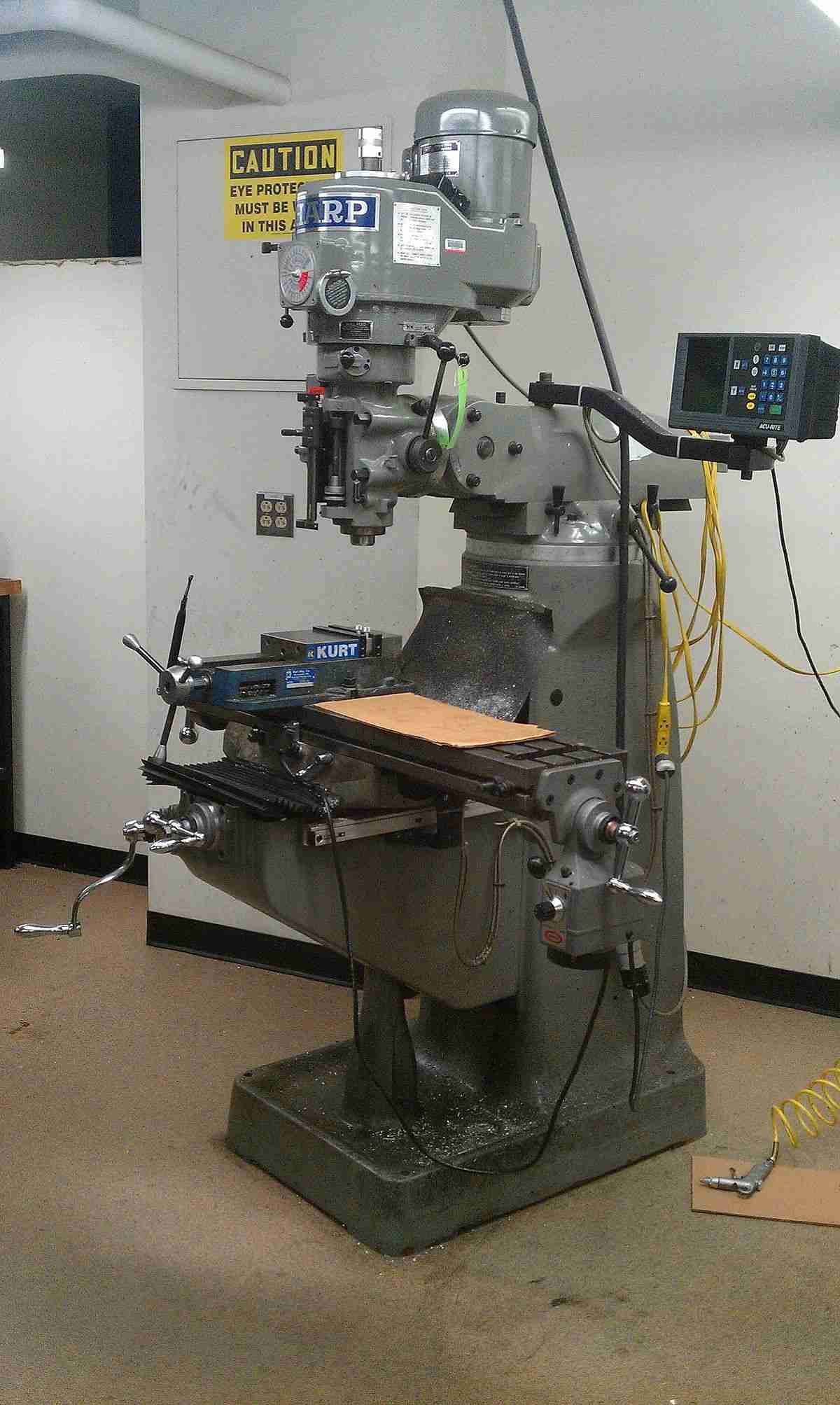
When it comes to equipment, modern rice mills utilize machines such as the rice huller and rice polisher to efficiently process large quantities of rice. These machines help to streamline the milling process, making it faster and more cost-effective. By exploring the different milling methods and equipment available, rice millers can enhance the quality of their products and meet the demands of consumers worldwide.

Heading 3: Maximizing Quality and Efficiency in Rice Milling Operations
Rice milling operations play a crucial role in ensuring the quality and efficiency of the final product. To unlock the full potential of rice milling, it is essential to focus on maximizing the quality of the grains while also streamlining the production process. By implementing innovative techniques and best practices, rice millers can achieve higher yields, reduce waste, and enhance the overall quality of their rice.
One key aspect of optimizing rice milling operations is to invest in modern technology and equipment. Utilizing state-of-the-art machinery can help improve the efficiency of the milling process, resulting in higher throughput and lower energy consumption. Additionally, proper maintenance and calibration of these machines are essential to ensure consistent performance and high-quality output. By combining advanced technology with skilled operators and rigorous quality control measures, rice millers can elevate their operations to new heights of success.
Heading 4: Tips for Enhancing Rice Milling Performance and Output
Tips for Enhancing Rice Milling Performance and Output
Ensuring optimal performance and maximum output in rice milling operations requires a combination of skill, knowledge, and effective strategies. One important tip is to regularly maintain and calibrate milling equipment to ensure that it is operating at peak efficiency. Regular servicing can help prevent breakdowns and ensure consistent, high-quality output.
Another tip is to carefully monitor the moisture content of the rice being milled. Proper moisture levels are crucial for achieving the desired milling results. Additionally, adjusting milling settings and parameters based on the variety and condition of the rice can help maximize output and minimize waste. By implementing these tips and incorporating best practices, rice millers can unlock the full potential of their operations.
In Conclusion
As we have explored the intricate and fascinating world of rice milling, we have learned that this age-old practice is not just about processing grains – it is an art form in itself. From the meticulous sorting and polishing to the careful blending of varieties, every step in the milling process plays a crucial role in unlocking the full potential of this staple food. So the next time you enjoy a bowl of perfectly cooked rice, take a moment to appreciate the skill and expertise that goes into creating such a simple yet essential ingredient. Let us continue to celebrate the art of rice milling and keep discovering the endless possibilities that it holds for nourishing and delighting our palates.



