
As we sit down to enjoy our morning bowl of cereal, we rarely pause to consider the intricate process that transforms grains into those perfectly crunchy flakes or satisfyingly chewy bites. Cereal milling, often overlooked yet integral to our breakfast routines, is a centuries-old art form that involves a complex interplay of science, engineering, and craftsmanship. Join us as we delve into the world of cereal milling and unravel the secrets behind cracking the code to produce our favorite breakfast staples.
Unveiling the Science Behind Cereal Milling
Have you ever wondered how your favorite cereals are made? The process of cereal milling is an intricate art that involves a combination of science, precision, and skill. From selecting the right grains to achieving the perfect texture, cereal milling is a fascinating world of secrets waiting to be unveiled.
One key aspect of cereal milling is the grinding process, where grains are crushed and broken down into smaller pieces. This step is crucial in determining the final texture of the cereal, whether it’s crispy flakes or crunchy clusters. Additionally, the milling process also involves separating the different parts of the grain, such as the bran, germ, and endosperm, to create a balanced and nutritious final product. Understanding the science behind cereal milling is essential for producing high-quality, flavorful cereals that consumers love.

Mastering the Techniques for Optimal Grain Processing
When it comes to , there is a fine art to cereal milling that goes beyond just grinding grains. The key to achieving the perfect consistency and texture lies in understanding the various stages of the milling process and how to manipulate them to your advantage.
One of the secrets to successful cereal milling is selecting the right combination of grains to achieve the desired flavor profile and nutritional content. By experimenting with different grain blends and ratios, millers can create unique and innovative cereal products that stand out in the market. Additionally, mastering the art of adjusting milling speed, temperature, and moisture levels can greatly impact the final product’s quality and shelf life. Remember, practice makes perfect when it comes to cracking the code of cereal milling!

Exploring the Key Factors for Consistent Milling Results
When it comes to achieving consistent milling results in cereal processing, several key factors play a crucial role in the process. Understanding and optimizing these factors can make a significant difference in the quality of the final product. Here are some key elements to consider:
Factors to Consider:
- Quality of the raw material
- Moisture content of the grains
- Grinding speed and pressure
- Sieve size and configuration
| Key Factor | Optimal Range |
|---|---|
| Moisture Content | 12-14% |
| Grinding Speed | 800-1000 RPM |
| Sieve Size | 500-700 microns |
By carefully considering and adjusting these factors, millers can crack the code to achieving consistent milling results and producing high-quality cereals. Experimenting with different settings and monitoring the process closely can lead to improved efficiency and product consistency.
Elevating Your Cereal Milling Skills: Tips and Tricks from the Experts
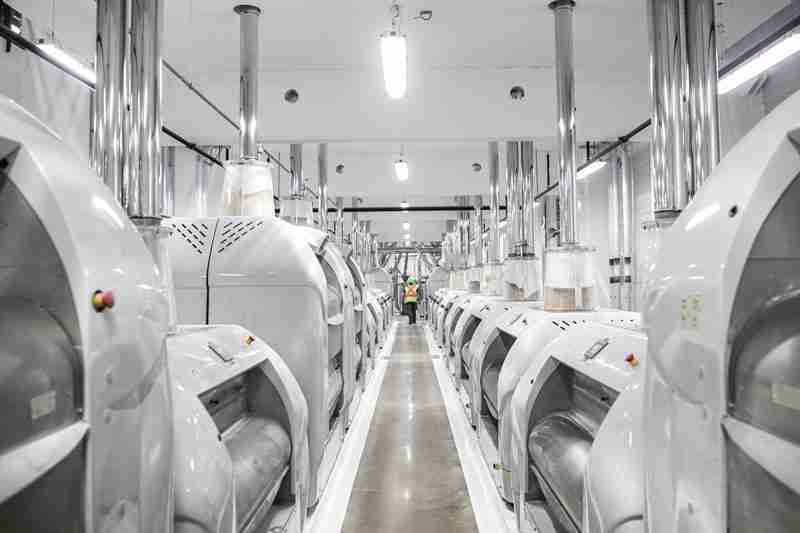
Are you ready to take your cereal milling skills to the next level? The experts have shared some invaluable tips and tricks that will help you master the art of cereal milling. One key tip is to always start with high-quality grains. The better the quality of your grains, the better the quality of your final product. Make sure to source your grains from reputable suppliers to ensure consistency and excellence in your milling process.
Another essential tip is to adjust your milling settings based on the type of grain you are processing. Different grains require different milling settings to achieve the desired texture and consistency. Experiment with different settings to find the perfect balance for each type of grain. And don’t forget to regularly clean and maintain your milling equipment to ensure optimal performance and longevity. By following these expert tips and tricks, you’ll be well on your way to becoming a cereal milling master.
The Conclusion
As we delve into the fascinating world of cereal milling, we uncover the intricate process of transforming grains into the breakfast staple we all know and love. From ancient techniques to modern innovations, the art of cereal milling continues to evolve and captivate us with its complexity and precision. Whether you’re a cereal connoisseur or simply curious about the science behind your morning bowl, we hope this exploration has cracked open the code and shed light on the craftsmanship that goes into each and every bite. So next time you pour yourself a bowl of your favorite cereal, take a moment to appreciate the artistry and dedication that has gone into milling those grains. Happy munching!



