
In the world of agriculture, one staple has stood the test of time as a dietary mainstay for billions of people: rice. With advancements in technology and food processing, the traditional methods of rice milling are being transformed into a future-forward industry that is revolutionizing the way we process this global grain. Join us as we explore the innovative technologies and sustainable practices that are shaping the future of rice processing.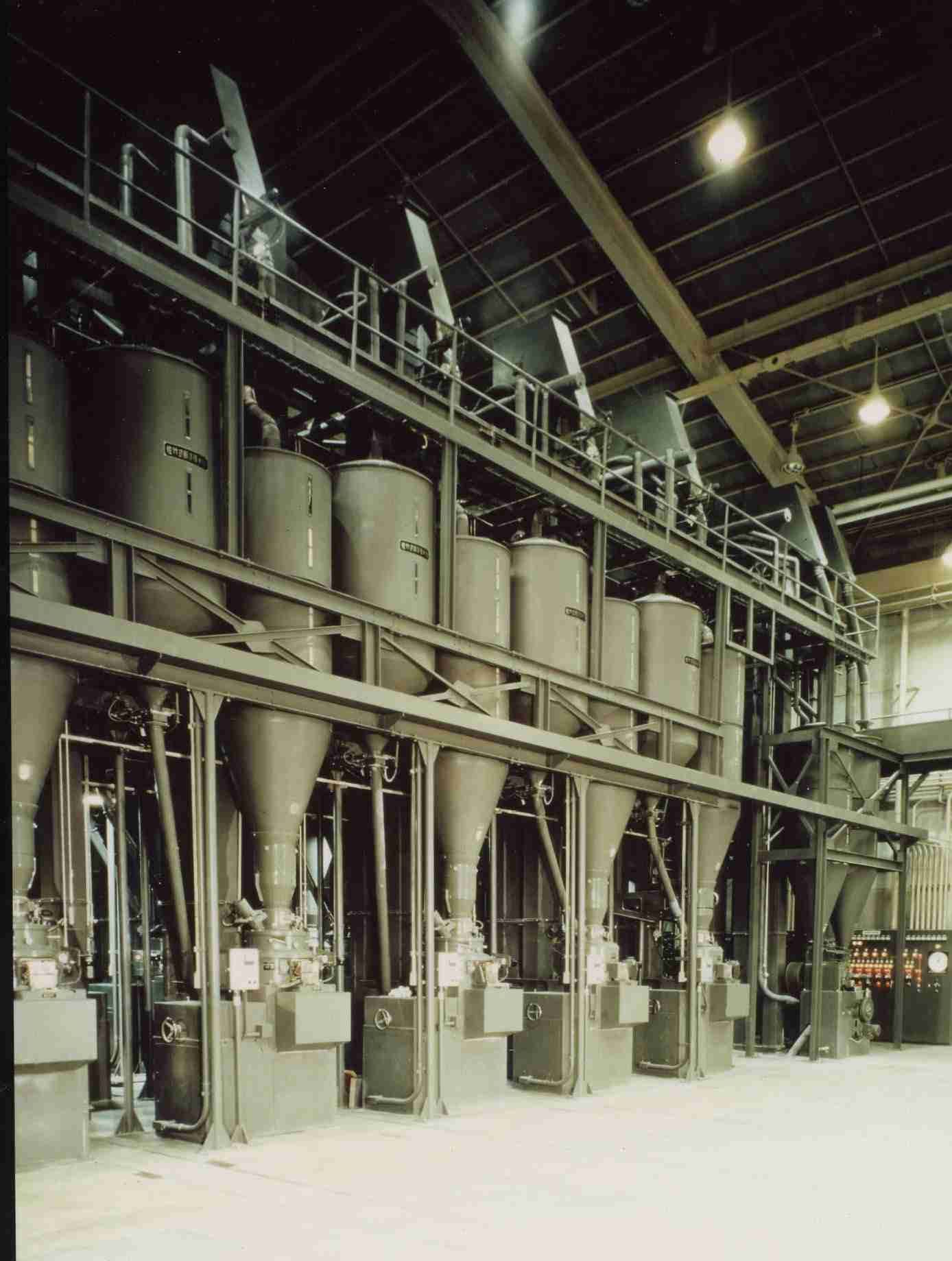
Revolutionizing Traditional Rice Milling Techniques
Rice milling has been a centuries-old practice that has remained largely unchanged for generations. However, with the advancement of technology and the need for more efficient and sustainable practices, traditional rice milling techniques are being revolutionized. One of the key innovations in the rice processing industry is the development of automated milling machines that can process rice more quickly and efficiently than ever before. These machines can handle larger quantities of rice and produce higher quality products, all while reducing waste and energy consumption.
Another groundbreaking development in the world of rice processing is the implementation of precision milling techniques. By using advanced technology to precisely control the milling process, processors can ensure that each grain of rice is milled to perfection, resulting in a more uniform and higher quality product. Additionally, the use of modern sensors and monitoring systems allows for real-time data collection and analysis, enabling processors to make adjustments on-the-fly to optimize the milling process. Overall, these advancements are not only improving the quality and efficiency of rice processing but also paving the way for a more sustainable and environmentally friendly industry.

Harnessing Technology for Efficient Rice Processing
Rice milling has been an integral part of agricultural practices for centuries, but with the rapid advancements in technology, the future of rice processing is set to undergo a revolutionary transformation. Harnessing cutting-edge technologies, such as automation, robotics, and artificial intelligence, can greatly enhance the efficiency and productivity of rice processing plants. These innovations not only streamline the milling process but also help in reducing waste and improving the quality of the final product.
By embracing digital solutions and modern machinery, rice millers can significantly increase their output while minimizing operational costs. Implementing state-of-the-art equipment, like precision grain sorters and automated packaging systems, ensures higher accuracy and consistency in processing. Additionally, integrating data analytics and IoT technologies allows for real-time monitoring and optimization of the entire processing chain, leading to improved sustainability and profitability in the rice industry.

Advancing Sustainability in Rice Milling Practices
Rice is one of the most consumed staple foods in the world, making it vital to improve sustainability in the milling process. By implementing innovative technologies and practices, rice milling can become more environmentally friendly and efficient. One way to advance sustainability is through the use of energy-efficient machinery that reduces carbon emissions and energy consumption. Additionally, implementing water-saving techniques can help conserve water resources and minimize waste in the milling process.
Another aspect of revolutionizing rice milling is by promoting responsible sourcing practices. By working with local farmers who utilize sustainable farming methods, rice mills can ensure a steady supply of high-quality, environmentally friendly rice. Investing in research and development to improve milling techniques can also lead to higher yields and better quality rice, benefiting both the environment and consumers. Overall, by focusing on sustainability in rice milling practices, we can pave the way for a more eco-friendly and efficient future in the rice processing industry.
Enhancing Quality Control Measures in Rice Processing Operations
As we look towards the future of rice processing, it is crucial to focus on enhancing quality control measures in our operations. By revolutionizing the way we approach rice milling, we can ensure that our final product meets the highest standards of quality and consistency. One key aspect of this revolution is the implementation of advanced technology and automation in our processing facilities.
By incorporating state-of-the-art machinery and software systems, we can improve our efficiency, accuracy, and overall quality control. Additionally, investing in staff training and education on these new technologies will ensure that our team is well-equipped to handle the demands of modern rice processing. Through these efforts, we can set a new standard for excellence in the industry and guarantee that our customers receive the best possible product every time. Let’s embrace the future of rice processing and unlock its full potential.
In Retrospect
As we look towards the future of rice processing, it’s clear that the industry is on the brink of revolutionizing traditional methods. With cutting-edge technology and innovative solutions, the way we mill rice is set to change for the better. As we navigate these exciting advancements, we can expect improved efficiency, higher quality products, and ultimately, a more sustainable approach to rice processing. The future is bright for the world of rice milling, and we can’t wait to see where it takes us. Stay tuned for more updates on the future of rice processing!



