
Journey with us into the heart of a rice mill, where the humble grain transforms into a staple that nourishes millions around the world. Welcome to the fascinating realm of grain processing, where each step is meticulously executed to ensure the highest quality product. Join us as we explore the intricate process of turning grain into gain, and discover the hidden world behind every grain of rice that lands on our plates.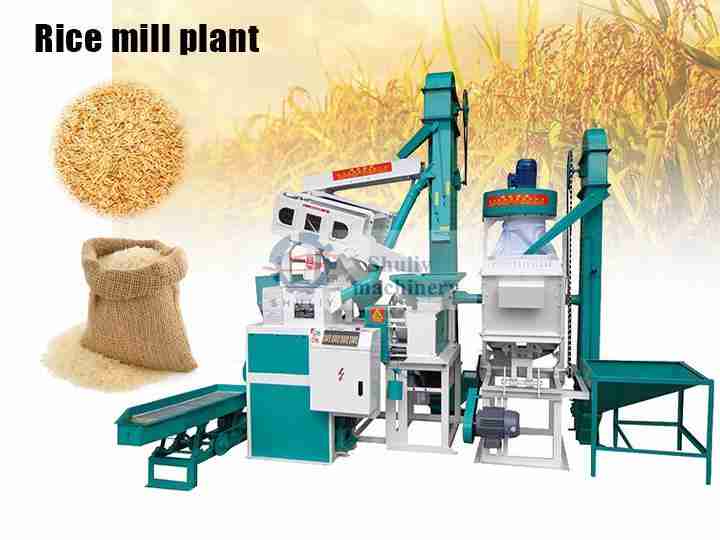
Exploring the Machinery and Processes of a Rice Mill
As you step inside a rice mill, you are immediately enveloped in the hum of machinery and the earthy scent of grains. The complex processes that transform raw rice into the polished grains we see on store shelves are mesmerizing to witness. One of the key machines in a rice mill is the paddy separator, which efficiently separates the husk from the brown rice. This critical step ensures that only the nutritious grains move forward in the milling process.
Another fascinating aspect of rice milling is the use of the whitening machines, which carefully remove the bran layer to reveal the gleaming white rice underneath. The precision of these machines is crucial in producing high-quality rice that meets consumer standards. Throughout the milling process, workers closely monitor the machines and make adjustments as needed to ensure that each grain of rice is processed to perfection. It is truly a blend of technology and tradition that results in the rice we enjoy on our plates.

Maximizing Efficiency and Quality Control in Rice Production
Rice production is a complex process that requires careful attention to detail in order to maximize efficiency and maintain quality control. One key component of this process is the rice mill, where raw rice grains are processed and transformed into the final product that we see on store shelves. Inside a rice mill, a series of steps are taken to ensure that each grain of rice meets the highest standards of quality before being packaged and distributed.
One crucial aspect of maximizing efficiency in rice production is the use of modern technology and machinery. State-of-the-art equipment is used in rice mills to streamline the production process, from cleaning and hulling the rice grains to polishing and packaging the final product. Automated systems help to reduce the margin of error and increase production rates, allowing for a higher volume of rice to be processed in a shorter period of time. By incorporating these technologies, rice producers are able to meet the demands of the market while maintaining consistency and quality in their products.

The Environmental Impact of Rice Milling Practices
Rice milling practices play a significant role in the environmental impact of the industry. The process of converting rough rice into edible rice involves various stages that can have consequences on the environment. From water usage to energy consumption, these practices can contribute to climate change and other environmental issues.
Some of the key environmental impacts of rice milling practices include:
- Water Usage: The large amount of water required for milling can strain local water sources.
- Energy Consumption: The use of energy-intensive machinery and equipment contributes to greenhouse gas emissions.
- Waste Generation: Byproducts such as husk and bran can accumulate as waste, leading to disposal challenges.
Innovations in Technology for Sustainable Rice Production
Rice mills have come a long way in embracing innovative technologies to enhance sustainable production practices. One such advancement is the use of automated sorting machines that can efficiently separate grains based on size, shape, and color. This not only improves the quality of the final product but also reduces food waste by ensuring only the best grains make it to market.
Another groundbreaking technology being adopted by rice mills is the use of solar-powered drying systems. By harnessing the power of the sun, these systems are not only eco-friendly but also cost-effective, helping to lower energy consumption and decrease the carbon footprint of the production process. Additionally, some rice mills are incorporating sensor technology to monitor moisture levels in the grains, ensuring optimal drying conditions and reducing the risk of spoilage.
Concluding Remarks
As we conclude our journey through the world of a rice mill, we have gained a deeper understanding of the intricate processes involved in transforming grains of rice into products that sustain communities around the globe. From the harvesting of paddy fields to the milling and packaging of rice, every step in the production chain plays a crucial role in delivering the nutritious staple to our tables. The dedication and expertise of the individuals working behind the scenes at the rice mill are a testament to the importance of this age-old industry. Next time you sit down to enjoy a bowl of rice, remember the journey it took to reach your plate and savor the flavors of a crop that has been cultivated and celebrated for centuries. Thank you for joining us on this exploration of grain to gain in the world of a rice mill.



