
From the humble grain to the familiar bowl, the process of cereal processing is a fascinating art that has been perfected over centuries. In this article, we will delve into the intricate techniques and methods involved in transforming raw grains into the breakfast staple we all know and love. Join us as we explore the journey from field to table and uncover the secrets behind the creation of our favorite breakfast cereals.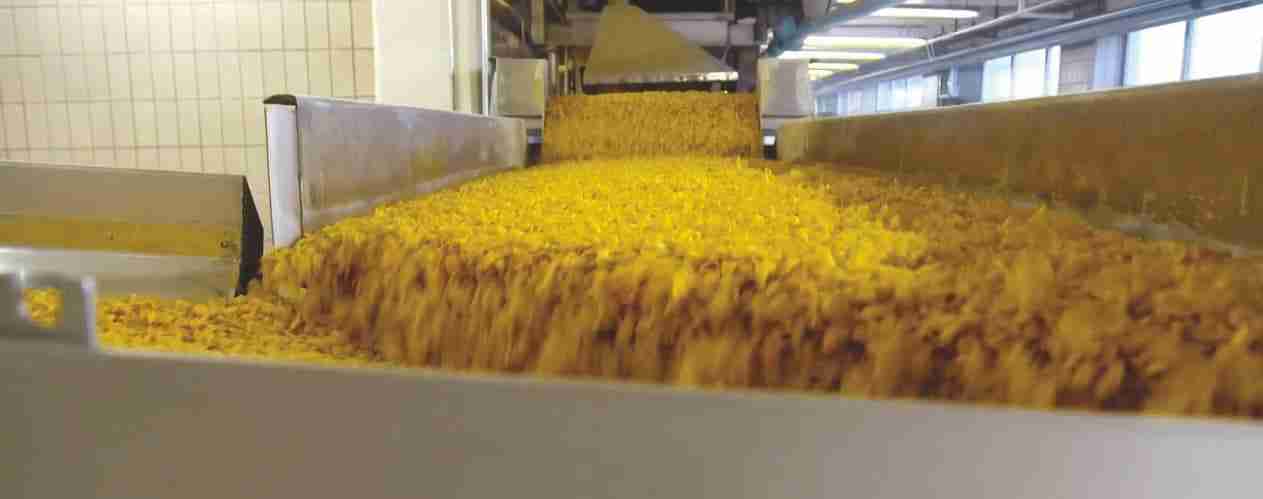
The Journey of Grain: Understanding the Cereal Processing Process
When we reach for a bowl of cereal in the morning, we often don’t think about the journey that the grain has gone through to become the delicious breakfast staple we enjoy. The art of cereal processing involves a series of intricate steps that transform raw grains into the crunchy flakes or puffs that we pour into our bowls.
From cleaning and milling to blending and flaking, each step in the cereal processing process is crucial in creating the perfect texture and taste. The grains are carefully selected, processed, and mixed with other ingredients to create a balanced and nutritious final product that we all know and love. Next time you enjoy a bowl of cereal, take a moment to appreciate the journey that the grain has taken to make it to your breakfast table.
Unveiling the Secrets of Cereal Milling and Grinding
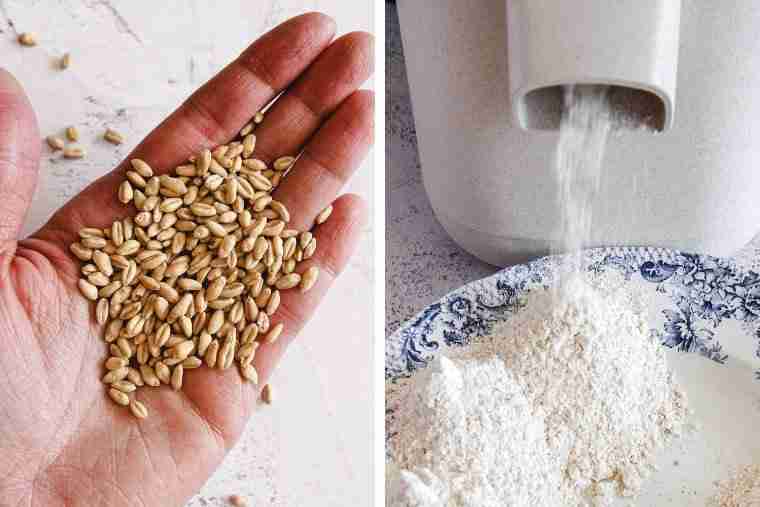
Have you ever stopped to think about the journey your morning cereal goes through before it ends up in your bowl? The process of cereal milling and grinding is a fascinating art that involves a series of intricate steps to transform raw grains into the fluffy flakes or crunchy nuggets we all love. Let’s dive into the behind-the-scenes of cereal processing and unveil the secrets of this age-old tradition.
First, the raw grains are carefully selected and cleaned to remove any debris or impurities. The cleaned grains then go through a rigorous milling process, where they are ground down into fine particles. This step is crucial in achieving the desired texture and consistency for the final product. The milled grains are then mixed with water and other ingredients to create a dough-like mixture, which is then shaped, baked, and cooled to perfection. The result? A delicious bowl of cereal that is not only tasty but also packed with essential nutrients to kickstart your day. So the next time you enjoy your favorite breakfast cereal, take a moment to appreciate the craftsmanship and dedication that goes into the art of cereal processing.

Exploring Techniques for Flaking, Puffing, and Shredding Cereals
When it comes to cereal processing, there are various techniques that can be used to transform raw grains into the crunchy, flavorful breakfast staple we all know and love. From flaking to puffing to shredding, each method brings its own unique texture and taste to the table.
- Flaking: Flaking involves pressing grains between rollers to create thin flakes. This process helps to increase the surface area of the grain, allowing it to cook more quickly and evenly.
- Puffing: Puffing is a fun and exciting technique that involves applying heat and pressure to grains, causing them to expand rapidly and create a light, airy texture. This method is often used to create cereal puffs that are perfect for snacking.
- Shredding: Shredding is a method that involves cutting grains into small, thin pieces. This can help to create a chewy, textured cereal that is perfect for adding to yogurt or milk.

Maximizing Flavor and Nutrition: Tips for Perfecting Cereal Processing
In the world of cereal processing, maximizing flavor and nutrition is key to producing a high-quality product that consumers will love. One way to achieve this is by carefully selecting the grains used in the process. Whether it’s wheat, oats, rice, or corn, each grain brings its own unique flavor profile and nutritional benefits to the table. By choosing the best quality grains available, companies can ensure that their cereals are packed with both taste and nutrients.
Another important aspect of perfecting cereal processing is the method of cooking or processing the grains. Whether it’s toasted, puffed, flaked, or extruded, the cooking process can greatly impact the final taste and texture of the cereal. Companies must experiment with different cooking methods to find the perfect balance of flavor and nutrition. By continuously refining their processing techniques, companies can create cereals that not only taste great but also provide a healthy start to the day for consumers.
Final Thoughts
As we delve into the intricate art of cereal processing, we begin to appreciate the meticulous techniques and dedication that go into each step of transforming grains into a delicious bowl of breakfast goodness. From the harvesting of grains to the milling, blending, and packaging processes, every stage requires precision and expertise to ensure the quality and consistency of our favorite cereals. Next time you pour yourself a bowl of your favorite breakfast cereal, take a moment to savor not just the taste, but the craftsmanship and artistry that went into creating each crunchy spoonful. Cheers to the journey from grain to bowl!



