
Rice, a staple food for over half of the world’s population, undergoes a complex and fascinating transformation from kernel to grain through the process of milling. This article will delve into the intricate steps involved in breaking down the rice milling unit, shedding light on the various stages that turn a humble rice kernel into the polished grains that grace our plates. Join us on this journey through the inner workings of the rice milling process, where the magic of transformation unfolds before our eyes.
Understanding the Rice Milling Process
Rice milling is a complex process that involves several steps to transform raw rice into the polished grains we are familiar with. The process begins with the cleaning and removal of impurities such as dust, stones, and husks from the rice kernels. This step is crucial to ensure the quality of the final product.
Once the rice is cleaned, it undergoes the milling process where the outer layers of the rice kernel, including the husk, bran, and germ, are removed to reveal the inner white grain. This step is carried out using a series of machines that selectively remove the different layers of the rice kernel. The final result is the polished white rice grain that we commonly consume. Understanding the intricacies of the rice milling process is essential for ensuring high-quality rice production and meeting consumer demands.
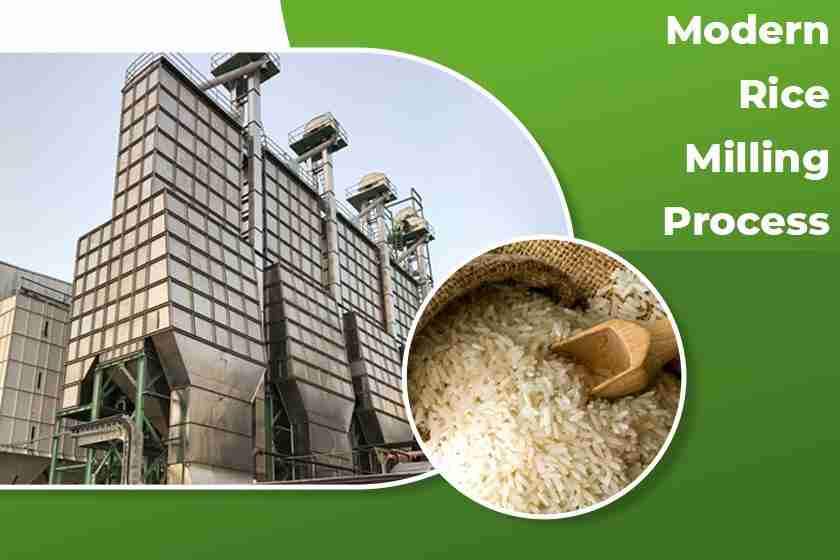
Essential Steps in Rice Milling
When it comes to rice milling, there are several essential steps that are crucial in transforming raw kernels into the polished grains we are familiar with. The process involves a series of stages that require precision and expertise to maximize the yield and quality of the final product.
Firstly, the harvested paddy undergoes cleaning and destoning to remove impurities and foreign materials. This is followed by husking, where the outer layer of the paddy is removed to reveal the brown rice underneath. Next, the brown rice is whitened through a process called whitening or polishing, which involves removing the bran layers to achieve the desired color and texture. Finally, the polished rice is graded based on size and quality before being packaged and ready for distribution.

Maximizing Efficiency in Rice Milling Operations
The process of rice milling is an intricate one, involving several stages that work together seamlessly to transform raw rice kernels into refined grains ready for consumption. Each step in the milling unit plays a vital role in ensuring efficiency and quality in the final product.
Starting from the cleaning and dehusking stage, where impurities are removed and the outer husk is stripped away, to the whitening and polishing stage, where the grains are further refined and polished to perfection, every aspect of the rice milling process is crucial. By optimizing each stage and implementing modern technologies, rice mill operators can achieve maximum efficiency and productivity in their operations.
Optimizing Quality Control Measures for Rice Grains
Rice grains go through a complex process in the milling unit to ensure their quality. The journey begins with the rice kernels, which are the raw material used in the milling process. These kernels are carefully examined for any impurities such as stones, sticks, or foreign matter. Cleaning is crucial to ensure only the best quality rice grains are produced.
After the cleaning process, the rice kernels are dehusked to remove the outer husk layer. This step is followed by polishing, which helps to achieve the desired texture and appearance of the rice grains. Finally, the grains are sorted based on size, shape, and color to ensure uniformity in the final product. By optimizing quality control measures throughout the milling process, we can guarantee the production of high-quality rice grains that meet the standards of our consumers.
Wrapping Up
As we reach the end of our exploration into the intricate process of rice milling, it becomes clear that every step – from the initial removal of the outer husk to the polishing of the final grains – plays a crucial role in producing the perfectly processed rice we enjoy on our plates. The transformation from raw kernel to polished grains is a fascinating journey that requires precision, expertise, and dedication. We hope this article has shed light on the complexities of this age-old practice and inspired a newfound appreciation for the staple crop that sustains millions around the world. So, the next time you savor a mouthful of fluffy, fragrant rice, remember the meticulous craftsmanship that went into creating it. Bon appétit!



