
Corn, a versatile staple in diets around the world, has been cultivated and consumed for thousands of years. But beyond its traditional uses, corn can also be transformed into a dazzling array of products through the art of corn processing. From the humble kernel to the vibrant table, this article delves into the intricate and fascinating journey that corn takes as it is transformed into various forms of culinary delight. Join us as we explore the magic of corn processing and discover the endless possibilities that this humble crop has to offer.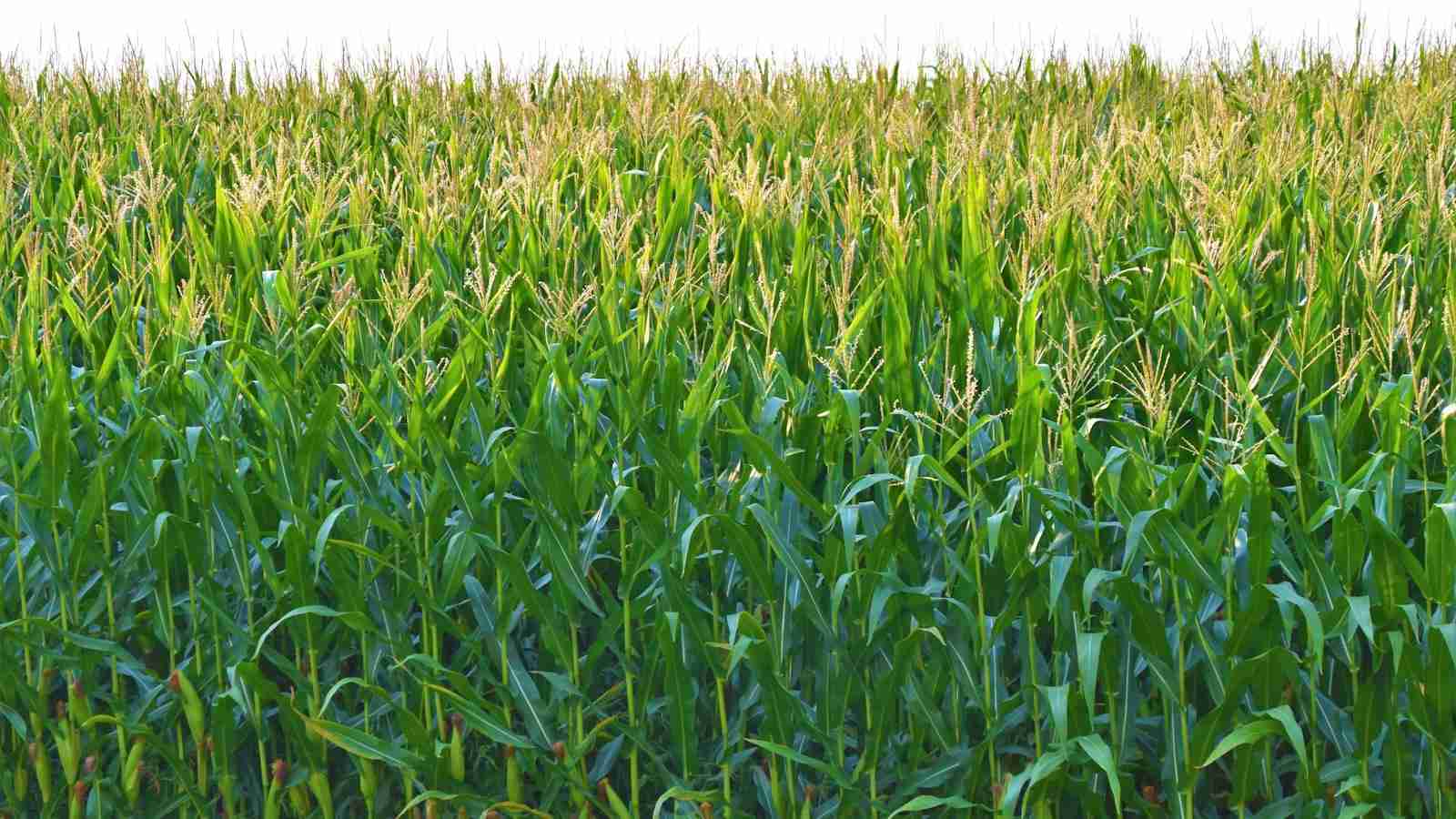
Exploring the Many Uses of Corn: Diverse Applications in Food and Industry
Corn, a staple crop with a rich history, holds an array of applications in both the culinary world and various industries. The journey of corn from kernel to table is a fascinating process that involves intricate steps of processing and refining. From food products to industrial materials, corn demonstrates its versatility and adaptability in meeting the needs of consumers and manufacturers alike.
Exploring the diverse uses of corn unveils a world of possibilities. In the food industry, corn finds its way into a myriad of dishes, beverages, and snacks, adding flavor, texture, and nutrition. Beyond the kitchen, corn serves as a crucial ingredient in the production of biofuels, plastics, and medical supplies. The art of corn processing is a blend of science and creativity, showcasing the ingenuity of humans in harnessing the potential of this remarkable crop.
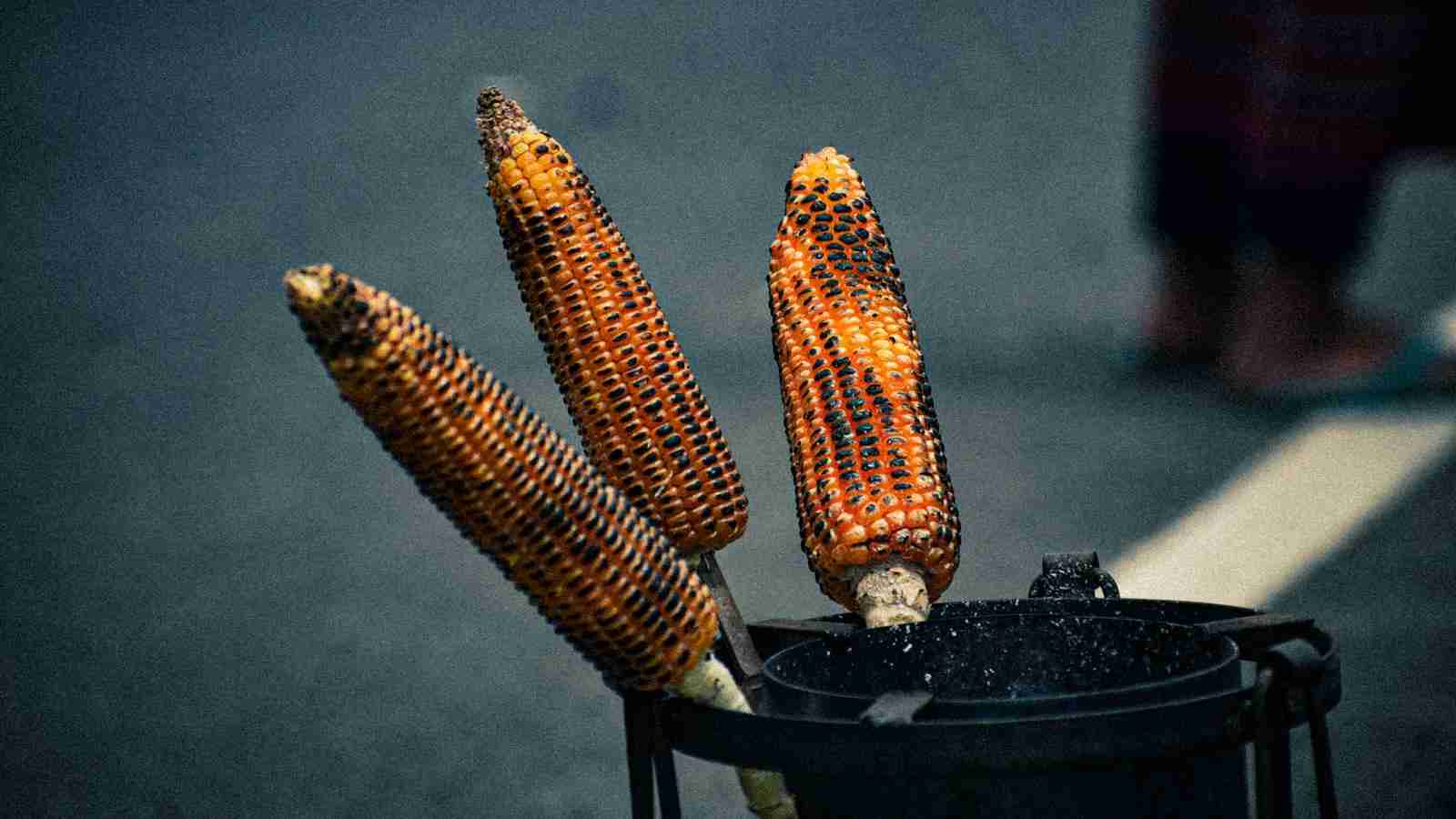
Unveiling the Intricate Process of Corn Milling: From Kernel Separation to Grinding
Corn milling is a fascinating process that transforms a humble kernel into a versatile ingredient used in a wide range of culinary creations. This intricate process involves several stages, each essential in unlocking the full potential of corn. Firstly, the kernels are separated from the cob, setting the stage for further refinement.
Next, the kernels undergo grinding, where they are crushed and pulverized into a fine powder. This powder can then be used to create a variety of products, from cornmeal and cornstarch to corn syrup and corn oil. The end result is a versatile ingredient that adds texture, flavor, and nutritional value to a multitude of dishes.
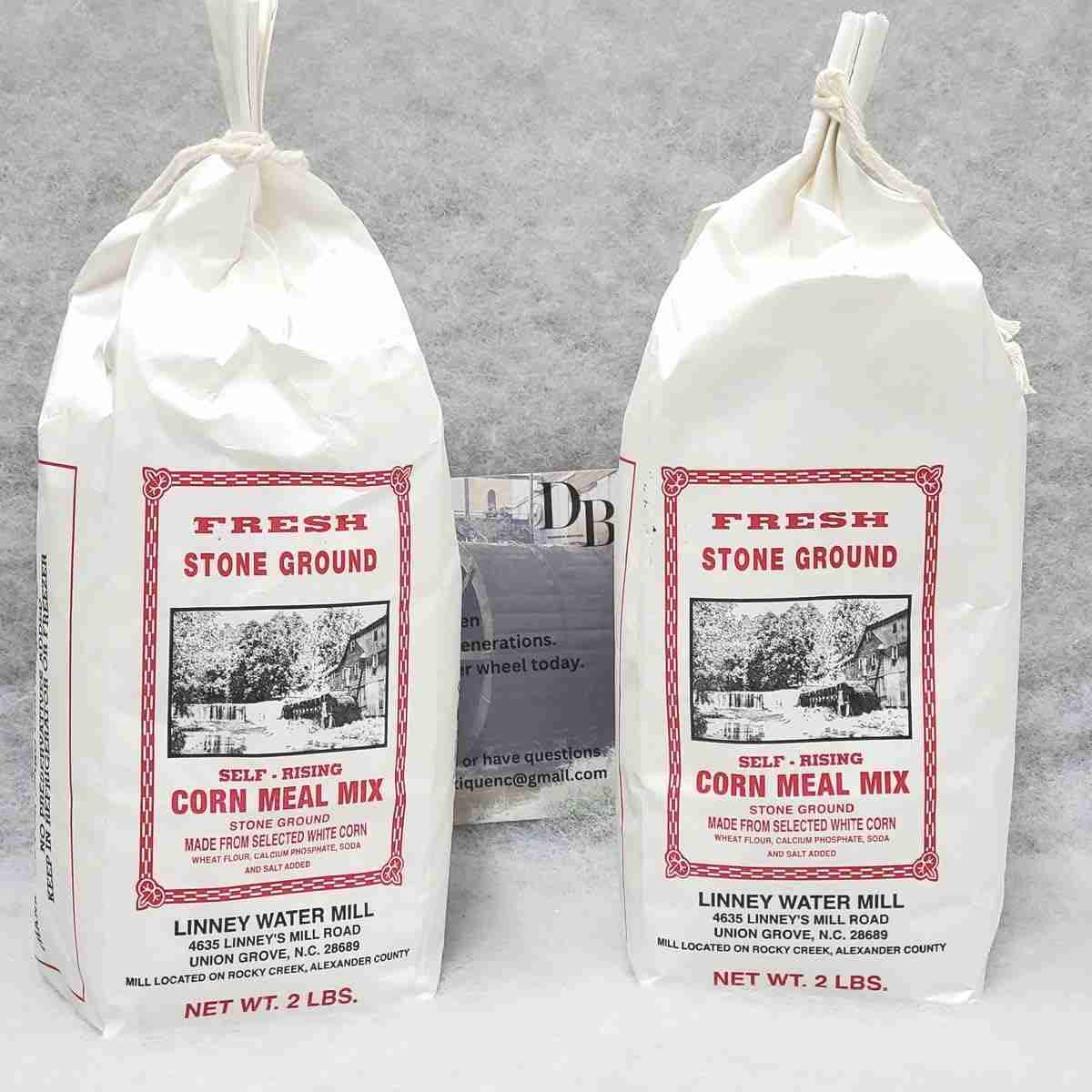
Maximizing Flavor and Nutrition: Tips for Cooking with Freshly Ground Cornmeal
When it comes to cooking with freshly ground cornmeal, there are several tips and tricks that can help you maximize flavor and nutrition in your dishes. One key tip is to use a high-quality cornmeal that has been freshly ground, as this will ensure that you are getting the most flavor and nutrients from the corn. Additionally, storing your cornmeal properly in an airtight container in a cool, dark place will help to preserve its freshness and flavor.
To really bring out the flavor of your freshly ground cornmeal, consider toasting it before using it in your recipes. Simply heat a dry skillet over medium heat, add the cornmeal, and stir constantly until it is lightly browned and fragrant. This will enhance the nutty flavor of the cornmeal and add a delicious depth to your dishes. Lastly, experiment with different cooking techniques such as baking, frying, or steaming to see which method brings out the best flavor and texture in your cornmeal creations.

Preserving Tradition and Innovation: How Technology is Revolutionizing Corn Processing
Corn has been a staple in diets around the world for centuries, with various cultures incorporating it into their traditional dishes. As technology continues to advance, the process of corn processing is being revolutionized, preserving traditional techniques while incorporating innovative methods. From ancient civilizations grinding corn by hand to modern machinery that can efficiently process thousands of kernels in minutes, the art of corn processing has evolved to meet the demands of a growing population.
With the help of cutting-edge technologies, corn processing plants can now extract every bit of nutrition from each kernel, ensuring that nothing goes to waste. From creating cornmeal for baking to producing high-fructose corn syrup for sweetening, the possibilities are endless. By combining the traditions of the past with the advancements of the present, technology is reshaping the way we view and utilize corn in our daily lives. The art of corn processing truly captures the essence of preserving tradition while embracing innovation.
Final Thoughts
In conclusion, the journey of corn from kernel to table is a fascinating one that involves a delicate balance of art and science. As we have explored the various traditional and modern methods of corn processing, it is clear that this humble grain plays a vital role in our culinary traditions and cultural heritage. From masa for tortillas to cornmeal for baked goods, corn truly has a versatile and important place in our diets. So the next time you enjoy a delicious corn dish, take a moment to appreciate the intricate process that brings this staple food from the farm to your table. Because when it comes to the art of corn processing, every step counts in creating a truly satisfying and nourishing culinary experience. Bon appétit!



