In the intricate web of global food production, where sustainability and efficiency are paramount, one often-overlooked hero emerges: parboiled rice.This transformative processing technique, steeped in tradition and innovation, offers a powerful solution to enhance food security across the globe. As populations swell and climate challenges mount, the demand for resilient food sources intensifies. Parboiled rice, with its unique advantages—ranging from improved nutritional profiles to extended shelf life—stands at the forefront of this critical movement. In this article, we delve into the engaging world of parboiled rice processing, exploring its immense potential to empower communities, bolster economies, and play a pivotal role in the quest for enduring food solutions. Prepare to uncover the underestimated powerhouse that is reshaping our understanding of food security, one grain at a time.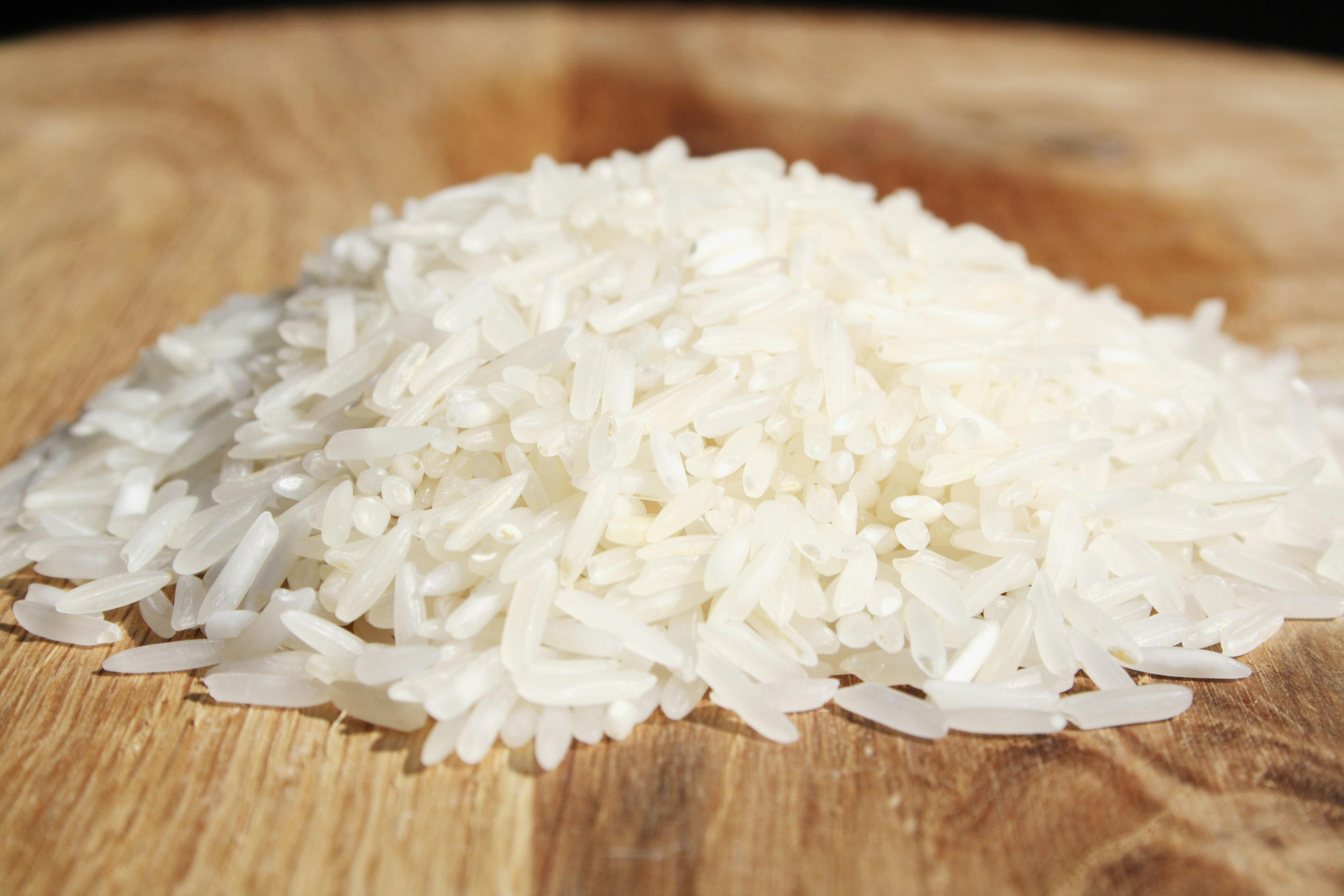
Parboiled Rice: A Double-Edged Sword in the Quest for Food Security
Parboiled rice stands at a complex intersection of nutrition,food security,and economic viability. Its processing method significantly enhances the nutritional profile compared to white rice, retaining more vitamins and minerals by driving them from the bran into the grain during the steaming process. this makes parboiled rice a more nutritious option, particularly in regions where rice is a staple food and dietary diversity is limited. Though, its benefits must be carefully weighed against certain drawbacks. The water and energy resources required for parboiling can strain local systems, especially in developing countries where these tools are scarce.Additionally, while parboiled rice can improve health outcomes, shifting dietary habits alongside cultural preferences is crucial; otherwise, the nutritional advantages may not reach those in greatest need.
Trade-offs are also evident in the market dynamics surrounding parboiled rice. On one hand, its growing popularity can drive farmers’ incomes and local economies; conversely, a heavy reliance on parboiled rice can jeopardize biodiversity by sidelining traditional varieties and cropping practices. For food security initiatives to be effective, stakeholders must adopt a nuanced approach that acknowledges both the rice’s benefits and its limitations. Emphasizing local capacity-building, sustainable processing techniques, and community engagement ensures parboiled rice serves as a catalyst for positive change rather than an unqualified solution. Effective recommendations might include:
- Investment in Infrastructure: Enhance local processing facilities to minimize energy consumption.
- Education Campaigns: Promote the benefits of diverse food sources alongside parboiled rice.
- Support for Farmers: Encourage the cultivation of both traditional and parboiled varieties to maintain biodiversity.
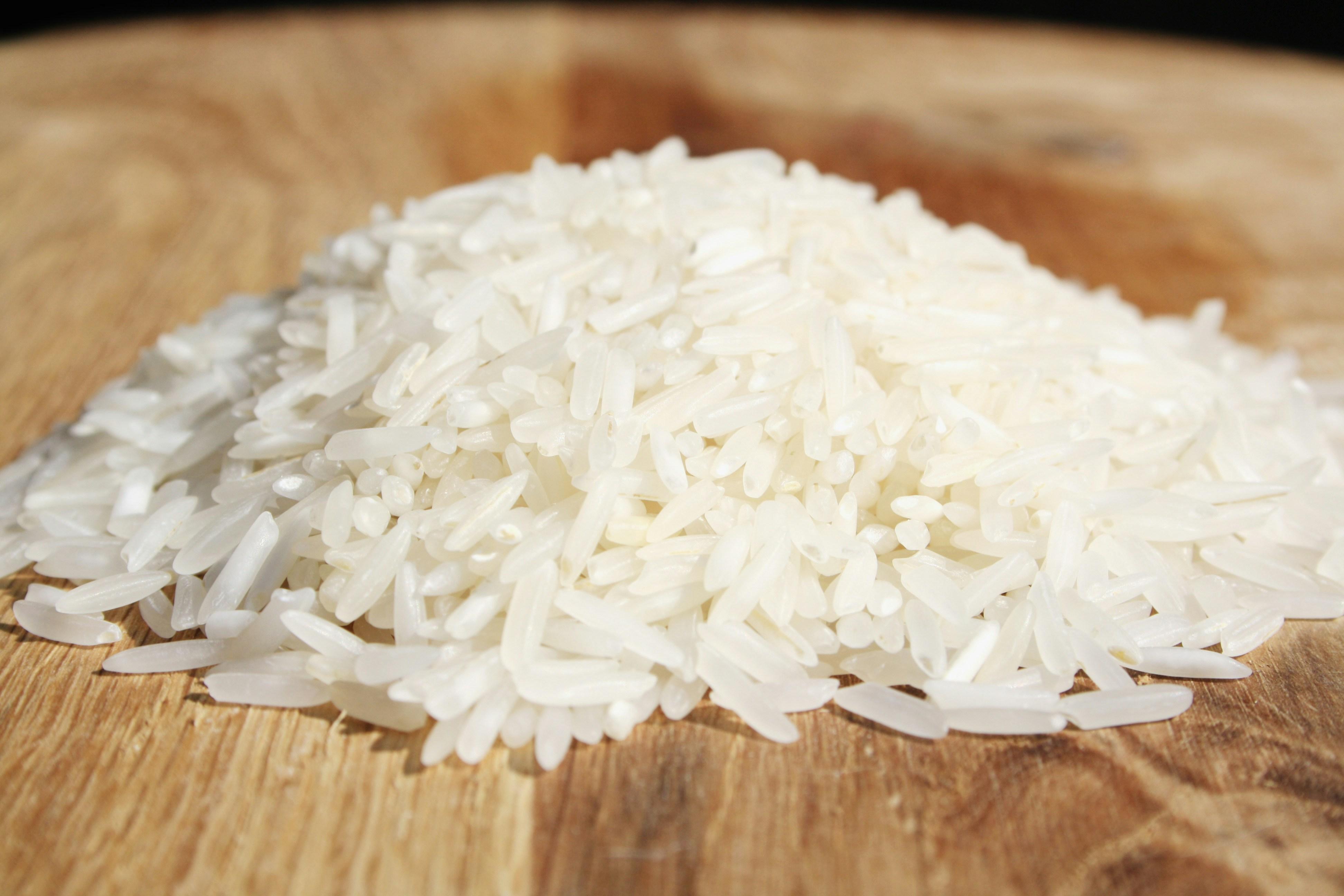
Unveiling the Myths: The Hidden Trade-Offs of Parboiled Rice processing
The allure of parboiled rice often overshadows the intricate processing methods that contribute to its distinct characteristics. A common misconception is that parboiled rice is solely a healthier alternative due to its nutrient retention, which is indeed a notable advantage. However, this processing method is not without its hidden trade-offs. For instance,parboiling can often result in higher cooking times compared to regular white rice,which may deter time-sensitive consumers. Additionally, the texture and aroma can vary significantly, leading some to perceive parboiled rice as less desirable in culinary contexts where a specific texture is paramount.
Moreover,the environmental implications of parboiled rice processing warrant attention.While it is often viewed as a step towards better food security, the energy costs associated with the steaming and drying processes can be substantial. This opens up a critical dialogue about sustainability. Hear are a few key considerations for stakeholders:
- Energy Efficiency: Implementing renewable energy sources in the parboiling process can mitigate environmental costs.
- Nutritional Trade-Offs: While mineral retention is high, the potential loss of certain B vitamins during processing should be considered.
- Regional Acceptance: Understand local culinary preferences to ensure parboiled varieties meet consumer tastes, preventing wastage.
Ultimately, addressing these trade-offs requires a nuanced approach that recognizes both the benefits and challenges of parboiled rice. Stakeholders must not only champion the nutritional benefits but also actively seek innovative, sustainable methods that prioritize both food security and environmental health.
Beyond the Grain: Rethinking Parboiled Rice as a Sustainable Solution
Parboiled rice, often relegated to the sidelines of global food discussions, deserves a critical reevaluation as a sustainable staple. Contrary to the common perception that white rice is the best option due to its palatability and cooking convenience, parboiled rice presents a compelling alternative that can address both nutritional deficits and environmental sustainability. This processing method, which involves soaking, steaming, and drying the rice before milling, enhances the grain’s nutritional profile by retaining essential vitamins and minerals that are typically lost in conventional white rice. The *nutritional benefits* include higher micronutrient content, such as thiamine and niacin, which are essential for combating deficiencies prevalent in many low-income regions.
Additionally, the environmental impact of parboiled rice production is often overlooked. By utilizing parboiling, less water is needed during the cooking process compared to unprocessed rice. This aspect becomes critical in water-scarce regions, highlighting a *key trade-off*: the sustainability of growing and processing practices versus consumption habits.Moreover, the adoption of parboiled rice can lead to economic resilience. As rice farmers transition to parboiling, they not only improve their yields but also increase their income by catering to markets that are increasingly demanding healthier food options. Implementing initiatives that promote parboiled rice in school feeding programs or food aid can stimulate local economies while enhancing food security. However, stakeholders must ensure that educational campaigns address potential biases and misconceptions that consumers may hold towards this less conventional rice, advocating for its merits rather than defaulting to traditional preferences.
Navigating Nutritional Nuances: When Parboiled Rice Falls Short in Health Benefits
While parboiled rice has carved out a reputation for its improved stability and nutrient retention compared to traditional white rice, it is essential to recognize the contexts in which it may fall short in delivering health benefits. As a notable example, the process of parboiling primarily enhances certain vitamins—like B vitamins and some minerals—due to the absorption of nutrients from the husk. However, this method does not eliminate certain concerns that might outweigh these benefits for specific populations. Here are key considerations:
- Glycemic Index Concerns: Parboiled rice does possess a lower glycemic index than white rice, yet it still ranks higher than brown rice. Individuals managing blood sugar levels, particularly those with diabetes, may find parboiled rice less optimal as a staple.
- Reduced Fiber Content: The parboiling process doesn’t restore the insoluble fiber lost during milling. For those looking to increase fiber for digestive health, it may serve as a less beneficial option compared to whole grains.
Furthermore,the nutritional advantages of parboiled rice can be context-dependent,hinging on dietary diversity and regional eating patterns. For populations relying heavily on rice as a primary energy source, the potential neglect of micronutrient-rich foods can lead to an imbalanced diet. A nuanced approach includes:
| Considerations | Recommendations |
|---|---|
| Balance Rice with: | Legumes, vegetables, and lean proteins to enhance overall nutrient intake. |
| Individual Dietary Needs: | Consider alternatives like brown rice or quinoa for greater nutritional diversity. |
In essence, while parboiled rice can undoubtedly enhance food security through its shelf stability and ease of readiness, it is indeed crucial for consumers and producers alike to critically assess its role within a diverse dietary framework. Rather than viewing it as a panacea for nutrition, stakeholders should approach it as one component of a multifaceted solution to dietary health aspirations.
Concluding remarks
As we conclude our exploration of parboiled rice processing,it becomes clear that this seemingly simple ingredient plays a monumental role in the global food landscape. By transforming rice into a nutrient-dense staple, parboiling not only enhances its culinary versatility but also fortifies communities against the challenges of food insecurity. While often underestimated, its impact stretches far beyond the dinner table, fostering resilience in agricultural systems and economies alike.
As the world grapples with the pressing demands of a growing population, embracing the power of parboiled rice could be a step toward sustainable solutions in food production. The methods and innovations we have examined are not just processes; they are key components in a larger narrative of security,nutrition,and sustainability. By recognizing and amplifying the value of parboiled rice, we can pave the way for a future where every grain contributes to a more secure and nourished world. So, as you savor your next meal featuring this golden grain, remember its journey and the potential it holds—for individuals, communities, and indeed, the planet.