In the heart of agribusiness lies a vital component that not only sustains livelihoods but also fuels economies: rice milling. For entrepreneurs looking to dive into this essential industry, the prospect of launching a 2-ton rice mill plant presents an exhilarating chance. However, like any venture, success hinges on careful planning and execution. This article serves as your comprehensive guide, taking you through each critical step to ensure not just a launch, but a thriving business. From understanding market dynamics to mastering operational logistics, we will explore the essential strategies and insights that will equip you to maximize your profits. Join us as we unravel the intricacies of rice milling and empower you to turn your ambitions into reality, one grain at a time.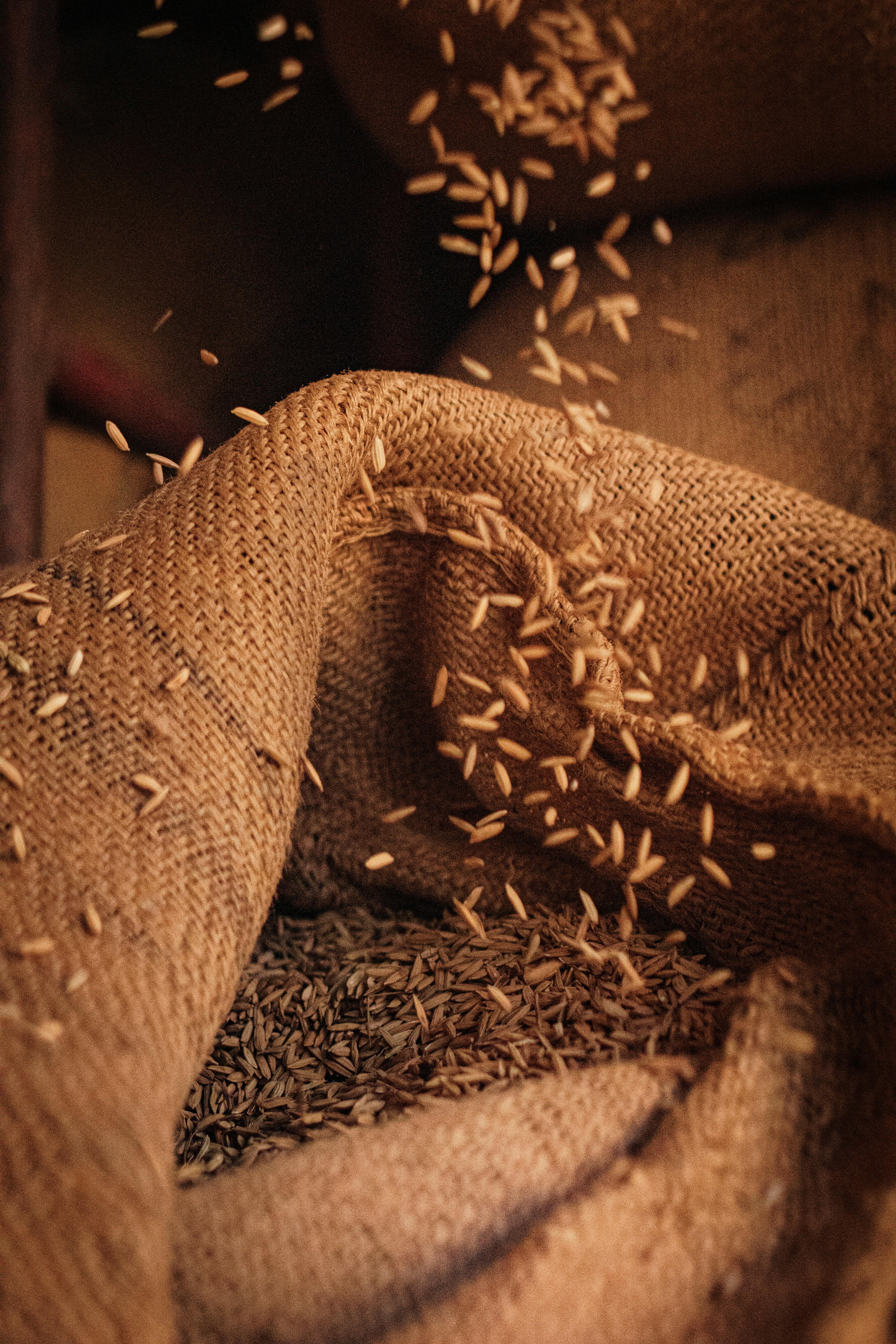
Secrets to Selecting Optimal Equipment for Your Rice Mill Operation
When selecting equipment for your rice mill operation, itS crucial to focus on several key aspects to ensure efficiency and profitability. Start by identifying the essential machinery needed for processing, such as paddy separators, huskers, and rice polishers. Evaluate different manufacturers and their products based on reliability and performance. Check for customer reviews, and when possible, visit existing rice mills to see the equipment in action. Pay particular attention to the following factors:
- Energy Efficiency: Equipment that consumes less energy can significantly reduce operational costs.
- Maintenance Requirements: Choose machinery that has low maintenance needs and access to spare parts.
- Output Quality: Opt for machinery that offers superior milling quality—this enhances marketability and pricing.
Another common pitfall is settling for the lowest initial cost without considering long-term value. for example, while a cheaper paddy separator may save upfront costs, it may lead to higher grain losses and increased waste over time. A better approach is to conduct a cost-benefit analysis, evaluating the total cost of ownership over the expected lifespan of the machines. Create a comparison table that includes initial costs, energy consumption, maintenance costs, and expected lifespan to simplify your decision-making:
| Equipment Type | Initial Cost | Energy Consumption | Annual Maintenance | Expected Lifespan |
|---|---|---|---|---|
| Paddy Separator | $5,000 | 1.5 kWh/hour | $300 | 10 years |
| Rice Husker | $7,000 | 2.0 kWh/hour | $400 | 8 years |
Ultimately, prioritize equipment that balances cost and performance, leading to a more sustainable and profitable operation in the long run.

Navigating Regulatory Landscapes: Essential Checks Before Launching Your Rice Mill
navigating the regulatory landscape is a crucial step before launching your rice mill. You’ll want to make sure your operation complies with local and national regulations to avoid legal issues that could derail your project. Start by conducting thorough research into the following key areas:
- Licensing Requirements: Verify the necesary licenses required for operating a rice mill in your region. In many areas, you may need to acquire a food processing license, health and safety permits, and even environmental clearances.
- Standards and Compliance: Familiarize yourself with food safety standards, such as the Hazard Analysis and Critical Control Points (HACCP) guidelines, which outline the procedures to ensure food safety.
- Employment Laws: Review labor laws including minimum wage requirements, working hours, and safety regulations to maintain a compliant workforce.
Additionally,consider local government incentives that may benefit your operation. Many regions offer tax breaks or grants for agricultural initiatives aimed at boosting local economies. Engage with local agricultural bodies to understand available support.Be proactive in building relationships with regulatory agencies; this can not only facilitate smoother approvals but can also provide you with insights on best practices.Lastly, keep an eye on potential pitfalls; for instance, neglecting environmental assessments can lead to fines or forced shutdowns. Creating a detailed checklist, like the one below, can aid in your compliance journey:
- Research local licensing requirements
- Ensure adherence to food safety standards
- Check employment law compliance
- Explore local government incentives
- Establish relationships with regulatory agencies
Common Pitfalls in Rice Mill Startups and How to Dodge Them
- Overlooking Regulatory Compliance: One of the most common pitfalls in rice mill startups is neglecting the legal and regulatory requirements. Before launching, ensure you have obtained the necessary licenses and permits such as food safety certifications, environmental compliance, and local business licenses. For instance, in some regions, you may need to register with the local health department and comply with food safety standards.
Tip: Create a checklist of required documentation and seek guidance from a local business advisor or legal professional to navigate the complexities. - Underestimating Supply chain Logistics: A frequent mistake is failing to establish a robust supply chain, which can lead to inventory shortages or excess stock. When sourcing raw materials,like paddy,prioritize establishing relationships with multiple suppliers to mitigate risk. Additionally, assess their reliability by checking reviews and past performance.
Tip: Develop a simple matrix to evaluate suppliers based on criteria such as price, quality, delivery time, and reliability.
- Inefficient Machinery Selection: Choosing the wrong machinery can lead to operational inefficiencies and increased costs. Before investing in equipment, conduct a detailed needs assessment. As a notable example, if your target market demands high-quality rice, prioritize machinery that offers advanced polishing and grading capabilities.
Tip: Visit other triumphant rice mills to observe their operations and machinery in action, ensuring your choice aligns with your production goals. - Neglecting Marketing Strategy: A key oversight is failing to create a comprehensive marketing plan, which can impede your visibility in the market. don’t wait until your mill is operational to start thinking about marketing. Utilize social media, local advertising, and partnerships with grocery stores or wholesalers to create buzz about your products.
Tip: Develop a marketing calendar that outlines key promotions and seasonal product offerings to keep your brand top-of-mind for customers.
Strategies for Sustainable Profitability: Best Practices for Running a 2 ton Rice Mill
To achieve sustained profitability in your 2-ton rice mill operation, you must focus on optimizing both production efficiency and cost management. Start by investing in high-quality machinery that offers durability and efficiency. Look for equipment with energy-saving features and minimal maintenance requirements. Conduct regular maintenance schedules, as neglecting machinery can lead to costly downtimes.Create a checklist for daily operations that includes:
- Cleaning and lubricating machinery
- Checking grain input quality
- Monitoring output consistency
- Tracking production metrics
moreover, take proactive steps to manage your supply chain effectively. Build strong relationships with local farmers to secure consistent and quality raw material at competitive prices,reducing the risk of supply interruptions. To further optimize operations, utilize software solutions for inventory and production management—this allows for real-time data tracking and smarter decision-making. Common pitfalls include poor inventory management and neglecting market trends. Regularly assess demand forecasts and adjust procurement accordingly to avoid overstocking or stockouts.An example of success is a local mill that implemented a just-in-time inventory system, resulting in a 15% reduction in spoilage and improved cash flow.
To Wrap it Up
In the tapestry of agribusiness ventures, launching a 2-ton rice mill plant stands as both a challenge and an opportunity. As we conclude this journey through maximizing your profit with a step-by-step approach, it’s essential to recognize that success is a blend of meticulous planning, strategic execution, and ongoing adaptability. With your foundation lays the groundwork of knowlege and insight into the essential components of the rice milling process,from site selection to market positioning.
As you embark on this entrepreneurial endeavor, remember that every grain of rice tells a story—of hard work, of community, and of innovation. Your rice mill plant has the potential not only to generate profit but also to empower local farmers and contribute to the sustainability of the agricultural ecosystem. As you move forward, embrace the lessons learned and remain open to evolving alongside this dynamic industry.
Equipped with the right tools and details, you are now ready to bring your vision to life. Whether it’s optimizing production, improving quality, or exploring new markets, the path to success is illuminated by your commitment and resilience. Here’s to your journey in the rice milling business and the prosperous horizons that lie ahead. Happy milling!