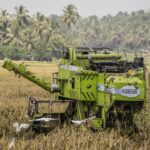
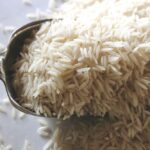
In the heart of bustling villages and serene fields, where the rhythmic dance of seasons shapes the landscape, a transformation unfolds that is as old as civilization itself: the journey of rice. What begins as rough grain, tucked away in humble husks, ultimately emerges as gleaming pearls, each grain imbued wiht the essence of dedication and artistry. The process of rice polishing may seem like a mere mechanical task, yet it is a labor steeped in tradition, imbued with cultural significance and fueled by the passionate souls who commit themselves to the craft. In this exploration, we delve into the intricate journey from paddy to polished grain, uncovering not only the methods and machines that shape this staple food but also the stories of the individuals—the farmers, artisans, and laborers—who breathe life into each polished pearl. Join us as we uncover the layers of history and humanity that accompany this simple yet profound transformation.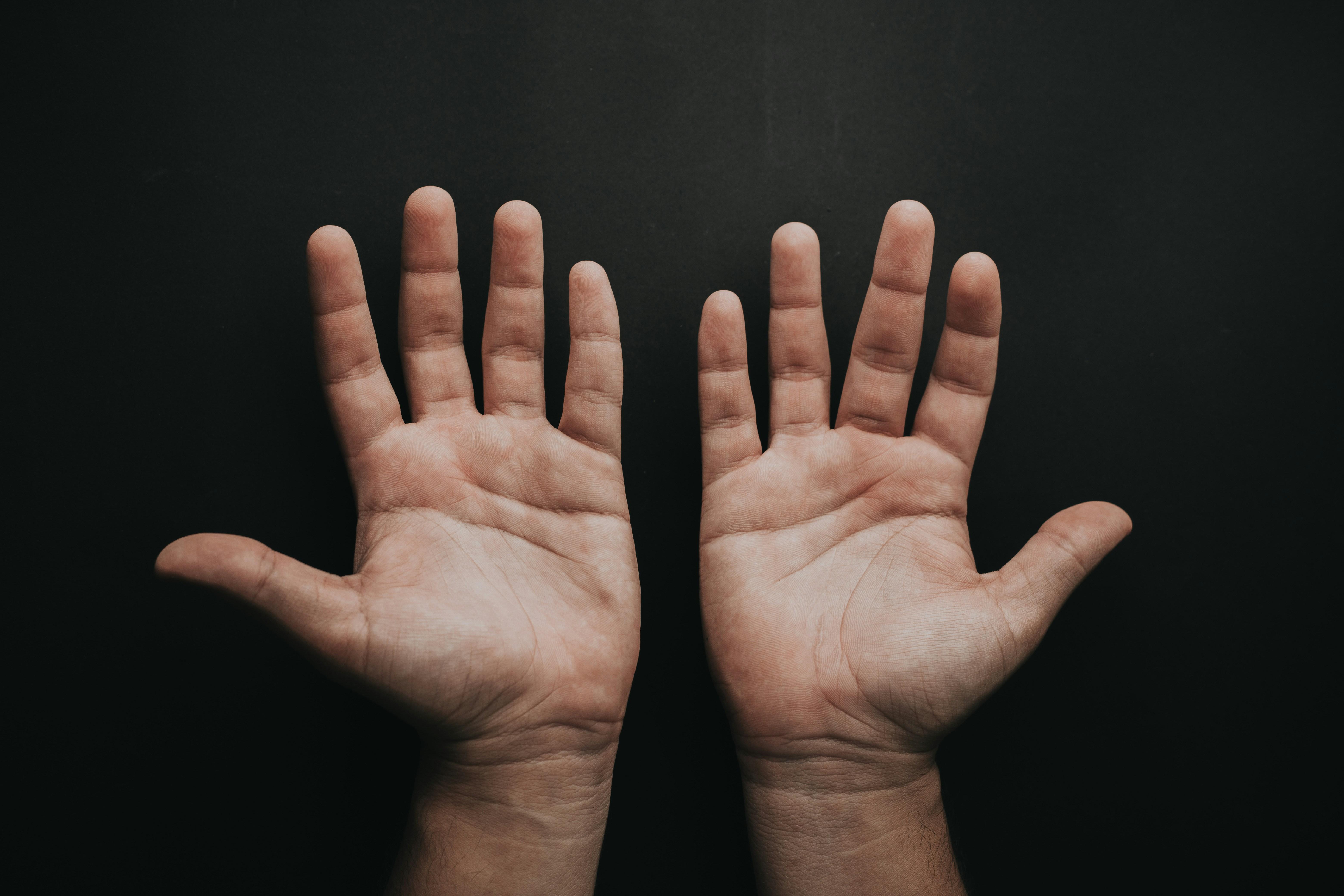
The Hidden Hands: Meet the Artisans Transforming Grain into Culinary Gems
In the world of rice polishing, the artisans behind the process frequently enough remain unseen, their efforts hidden beneath layers of tradition and expertise. These skilled individuals approach rice not merely as a crop but as a canvas,each grain a potential culinary masterpiece. Among them is Mei, a celebrated rice polisher in a small village that holds a legacy of grain artisanal work. On any given morning,as the first light breaks through the mist,you’ll find Mei meticulously examining every kernel. With a practiced eye, she discards the imperfect grains, understanding that quality control is not just about aesthetics—it’s about the spirit she infuses into her work. “Each grain tells a story,” she often reflects during her craft, defining her role far beyond just a production line worker. It’s moments like these that illuminate the emotional depth of her trade, where the art of polishing becomes a sacred ritual of respect for nature’s bounty.
Contrast Mei’s quiet dedication with the bustling scene at an industrial rice mill, where machines whirr and clank, and the rhythm of production pulses fast. Here, the conversation shifts from stories to numbers, with efficiency often prioritized over craftsmanship. Workers like Rohan juggle between managing machines and ensuring output remains high. Despite the speed, Rohan recognizes the heart behind the process; when his machine falters, he feels a pang of duty. “This isn’t just business. It’s about the families who will eat this rice,” he remarks,illustrating the pivotal moment when expectations meet the reality of mass production. In both settings, whether through gentle hands or mechanical might, the underlying intent remains: to transform raw grain into something that nourishes the body and soul. The journey of rice polishing showcases a beautiful contrast—one that underlines the significance of both tradition and progress, reminding us that every polished grain carries with it the dedication of those who shape it.

Challenging Tradition: Navigating the Balance Between Craftsmanship and Modernity
As artisans increasingly confront the march of modern technology, many are faced with a pivotal decision: cling to the time-honored techniques that have defined their craft for generations or embrace innovation to meet contemporary demands. Take Koji, a rice polisher with over 30 years of experience. He grew up watching his grandfather meticulously polish each grain, treating rice as more than just food—it was a legacy. When Koji first saw automated polishing machines, he was skeptical. Would they compromise the integrity of the rice? Yet, after processing a batch with the new machine, he discovered that the end product was not only consistent but also enhanced flavor retention, a key factor for chefs nationwide. This wasn’t just a question of efficiency; it challenged his understanding of quality, forcing him to reevaluate what craftsmanship means in a rapidly changing culinary landscape.
Another layer to this narrative comes from emiko, a younger rice craftsman who deeply appreciates her elders’ traditions but embraces technology as a tool for storytelling. In starting her own brand, she chose to implement a digital platform that allows customers to trace their rice back to the very field it was grown in. The initial reception was mixed; some loyal customers cherished the artisanal touch and were wary of the digital age encroaching upon their beloved craft, while others appreciated the transparency and innovation. Emiko found herself at a crossroads—sacrifice authenticity for modernity or redefine it? Ultimately, she learned that by balancing tradition with technology, she could create something truly unique: a rice experience that acknowledges its heritage while engaging a new generation. This crossroads isn’t just about machinery; it represents a broader shift in perspectives on what constitutes quality and craftsmanship in the culinary world.
Shimmering Outcomes: The Personal Triumphs and Setbacks Within Rice Polishing
The journey of a rice polisher frequently enough mirrors the dualities of life—triumphs intertwined with setbacks. For many artisans in this trade, every grain of rice represents a story. Take the case of Jaya, a rice polisher from West Bengal, who inherited the craft from her father. With each batch, she refines not just the rice but also her technique, learning when to apply the right amount of pressure to achieve the perfect shine. Yet, the process is not without its challenges. jaya recalls a particular season where she miscalculated the polishing duration, leading to a batch that was either too dull or overly processed, resulting in waste and a loss of income. It was a tough lesson, teaching her the importance of precision as she balanced tradition with evolving practices. Alongside such setbacks, she embraced small victories—like the first time she achieved a beautiful sheen that captivated local markets, solidifying her reputation as a skilled craftswoman.
These experiences underline the broader spectrum of the rice polishing industry, where personal growth frequently enough comes from navigating both high and low moments. peer networks provide essential support during these times. For instance, Jaya often collaborates with fellow polishers, trading techniques and advice to overcome obstacles. During one collaborative session, they shared a breakthrough in using natural polishing agents, shifting expectations for desired outcomes while maintaining quality. This collective knowledge not only enhanced their craft but also fortified their community bond. The exchange of ideas led to a table of new standards in polishing techniques, documented collaboratively, highlighting approaches and reflections from various artisans:
| Polishing Technique | pros | Cons | Resulting Outcome |
|---|---|---|---|
| Conventional Method | Preserves flavor | Time-consuming | Higher quality, less quantity |
| Mechanical Polishers | Efficient | Potential for grain damage | Faster, lesser quality |
| Natural Agents | Eco-amiable | Variable results | Consistent shine with health benefits |
Such discussions allow artisans like Jaya to adapt their practices. As the challenges evolve, so does the resilience of the craft, highlighting a dynamic interplay between the individual’s journey and the collective advancement of the rice polishing community.
Lessons in Resilience: How a Simple Grain Connects Generations Through Time and Culture
In the heart of the rice-producing regions around the world,the act of polishing rice is not merely a process; it’s a tradition steeped in resilience that connects families across generations. Take, for instance, the story of Mei Ling, a rice polisher in a small village in Yunnan, China. For her, each grain tells a story, each polish a family legacy. As she wipes the fine dust from her hands at the end of a long day, she recalls how her grandmother would narrate tales of hardship and hope while standing over a traditional rice mill. That mill, now a relic in the village, symbolized survival during harsh times and nourished not just bodies but also the spirit of their community.The decision to embrace rice polishing was not just about making a living for Mei Ling; it was a way of honoring her ancestral roots and the sacrifices made by those before her. Therefore, with every batch of rice polished to gleaming perfection, she reinforces a cycle of resilience inherent in her culture—a testament to the perseverance shared by her family over decades.
This intricate dance of grinding and polishing rice reveals contrasting expectations as well. Consider the journey of Javier, a young rice farmer in Spain, who expected to find instant success in urban markets.However, upon arriving, he faced an unforgiving reality: consumers were more interested in aesthetics than flavor or tradition. The rice he carefully nurtured was certainly of high quality, but its rough appearance led to its devaluation in the eyes of potential buyers. At a critical fork in his journey, Javier decided to return to his roots, where his craft was appreciated not solely for its visage but for its cultural significance. By partnering with local restaurants and artisanal markets, he shed light on the rich history behind his rice, weaving tales of his grandparents’ land and methods. Through this pivot, he learned that resilience isn’t about adapting solely to external expectations but returning to one’s origins and proudly showcasing what makes one’s product unique. The shared cultural practices of rice polishing, whether in Yunnan or Spain, highlight how a simple grain can unify experiences, shaping the very fabric of communities across time and place.
The Conclusion
As we conclude our exploration of the transformative journey from rough grain to gleaming pearl, it is indeed essential to acknowledge the remarkable souls behind this intricate craft.With each grain that passes through their skilled hands, rice polishers not only refine a staple of sustenance but also weave together the threads of tradition, connection, and resilience. Their labor reflects centuries of knowledge and an unwavering commitment to excellence, turning what seems like mere agriculture into an art form.
In this world of meticulous grinding and polishing, we are reminded that every product we consume carries with it a story—one interlaced with the history, culture, and passion of its makers. the next time you savor a bowl of perfectly polished rice, take a moment to appreciate the journey it undertook, along with the unseen hands that made it possible. The harmony of craftsmanship and nature serves as a poignant reminder of the beauty found in simplicity and the importance of honoring those who devote their lives to perfecting it. As we savor each bite, let us also carry forth the legacy of those who labor in silence, transforming humble grains into the pearls of our tables.