In a world where food security is increasingly under scrutiny and agricultural efficiency is paramount, the rice milling industry stands at a pivotal crossroads. as global demand for rice grows, so too does the need for innovative solutions that not only maximize yield but also enhance operational efficiency. Enter the automatic rice mill plant – a technological marvel that promises to transform the way rice is processed. This comprehensive guide delves into the intricacies of selecting and implementing an automatic rice mill plant, providing farmers, entrepreneurs, and industry professionals with the essential knowledge to navigate this critical investment. From understanding the latest advancements in milling technology to assessing the specific needs of your operation, this article aims to equip you with the insights necessary to achieve an optimal balance between productivity and profitability. Join us as we explore the pathway to a more sustainable and prosperous future in rice milling.
Tailoring Your Automatic Rice Mill: Key Factors for Optimal selection and Performance
When selecting an automatic rice mill, considering the specific requirements of your operation is crucial for optimizing selection and performance.Here are key factors to tailor your rice mill effectively:
- Capacity Needs: Determine the processing capacity required for your production goals.Conduct a market analysis to identify demand fluctuations in your region. if you plan to process 10 tons per day, ensure your mill’s output aligns with your operational needs and includes some buffer for peak seasons.
- quality of Output: Investigate milling technology options such as paddy separators, husking machines, and whitening components. For higher quality rice, consider a mill that utilizes a modern paddy separation technology, which can drastically reduce broken grains. Performance can vary substantially; as a notable example, a mill equipped with a double-pass whitening system might yield better results compared to a single-pass model.
- Maintenance and After-Sales support: Assess the level of maintenance required for the machinery. Some models may need frequent tuning or replacement parts that are hard to source in your area. Partnering with reputable manufacturers who offer robust after-sales service can save you time and money in the long run.
Next, ensure you check compatibility and integration capabilities with existing equipment, especially if you are upgrading.Many operators overlook the importance of a seamless workflow. such as, if your pre-cleaning equipment is not compatible with the mill, it could bottleneck the process.You can also optimize performance by implementing automation features like digital monitoring systems that track moisture content, ensuring you mill rice at the right humidity. Avoid the common pitfall of choosing a low-cost option without considering overall operational costs, including energy consumption, as this can lead to higher long-term expenses. A piece of equipment may cost less initially but may consume more energy, leading to inflated operational costs. Consider conducting a cost-benefit analysis over the lifecycle of the mill to make an informed decision.
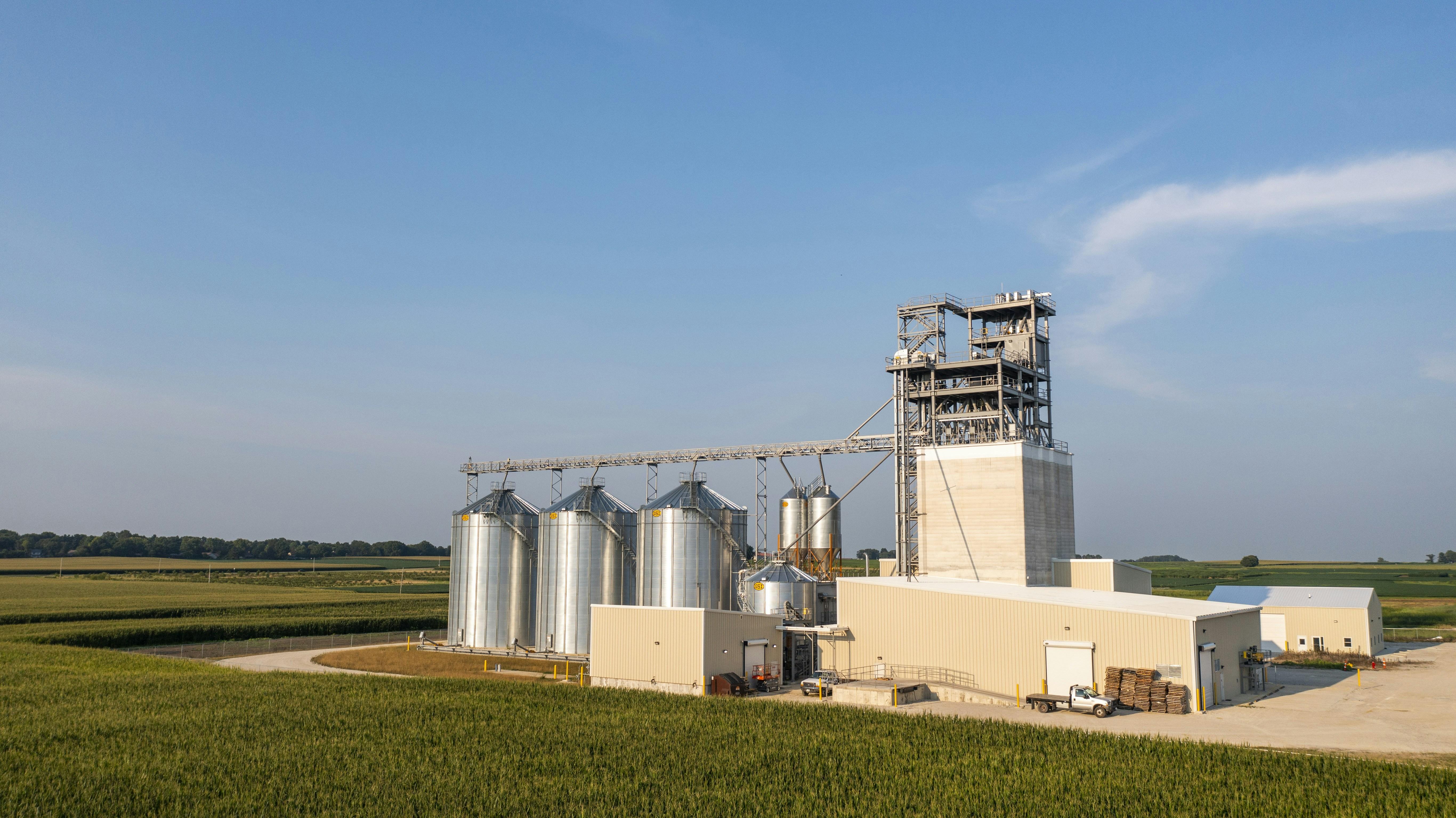
Navigating Common Pitfalls: Essential Insights for a Successful Rice Mill Installation
When embarking on the installation of an automatic rice mill plant, its crucial to avoid common pitfalls that can derail your project. Conducting a detailed site survey is your first line of defense. Check for proper alignment of machinery components, ensuring there’s enough space for equipment maintenance and accessibility. It’s also wise to assess environmental factors such as moisture levels and temperature,which can impact milling efficiency. Misalignment or poor environmental conditions can lead to higher downtime and maintenance costs. Additionally, invest in a quality foundation for your mill; an inadequate base can cause vibrations that affect milling performance and lead to costly repairs. Make sure to verify that electrical supply and water source meet the operational demands of your equipment.
Another critical mistake is overlooking operator training. Ensure that all personnel are well-trained on the machinery and software systems of the rice mill. for instance, improper operation can lead to yield loss or equipment failure due to incorrect settings. Utilize manufacturers’ training programs or workshops aimed at maximizing system efficacy.in addition, regularly review maintenance protocols; schedule preventive maintenance to avoid unexpected breakdowns that disrupt production schedules. For decision-making, maintain a checklist as you progress through the installation:
- Site survey completed
- Electrical and water supply verified
- Operators trained and competent
- Regular maintenance schedule established
- Alignment and foundation checks conducted
By proactively addressing these factors, you’ll enhance the reliability and productivity of your rice mill plant.
Maximizing Output: Proven Strategies for Enhancing Efficiency in Rice Milling Operations
Maximizing output in rice milling operations requires a detailed analysis of both equipment and processes. Begin by assessing the overall workflow and identifying bottlenecks that typically disrupt operations. Here are key areas to focus on:
- Equipment Calibration: Ensure that all milling machinery is properly calibrated.A misaligned rice huller can lead to excessive breakage, reducing yield. Check the manufacturer’s specifications to maintain optimal settings.
- Regular Maintenance: Implement a strict maintenance schedule to prevent downtime. As an example, cleaning the rice sifting screens weekly can prevent clogging and improve efficiency.
- Quality of Raw Material: Invest in high-quality paddy rice, as lower-quality grains can increase waste during milling. Consider sourcing grains from reliable suppliers and conduct quality tests regularly.
In addition to these practical steps, always consider technological advancements. The choice of automatic rice mill systems can greatly affect productivity. Some models offer features like moisture control,which reduce spoilage during storage. Compare the following features when selecting equipment:
| Feature | Benefit |
|---|---|
| Automated Cleaning systems | Reduces manual labor and minimizes downtime. |
| Energy Efficiency Ratings | Lowers operational costs significantly over time. |
| Production Capacity | Allows for higher throughput,adapting to market demand. |
Furthermore, train your staff on the optimal operation and troubleshooting of the equipment. often, inefficiencies stem from human error during processing. Encourage a culture of continuous improvement by regularly reviewing performance metrics and gathering feedback from operators. By systematically evaluating these elements, your rice milling operation can not only enhance efficiency but also achieve higher production yields.
From Vision to Reality: Step-by-Step Considerations for a Productive rice Mill Setup
Setting up a productive rice mill requires careful planning and execution. Begin by defining your operational goals and target output. As an example,if focusing on high-quality rice and fulfilling local market demands,ensure that your mill has the capability for various grades and types of rice.Key considerations include:
- Site Selection: Choose a location near rice-growing areas to minimize transportation costs. Ensure it’s accessible for suppliers and has good infrastructure.
- Machinery selection: evaluate machinery based on efficiency and throughput. Opt for modern, energy-efficient machines that also support automation. Brands like Satake and Bühler are known for their reliability.
- Technical Expertise: Employ staff with knowledge of milling operations and maintenance. A lack of operational expertise may lead to inefficiency and increased downtime.
Common pitfalls include insufficient capacity planning. For example, underestimate the processing capacity needed can lead to bottlenecks during peak harvest. Conduct a thorough market analysis to benchmark your expected yield against local demand. Moreover,invest in preventive maintenance schedules to prolong equipment lifespan.Consider the following for optimizing productivity:
| Consideration | Best Practice | Common Mistake |
|---|---|---|
| Quality Control | Implement a rigorous testing protocol for incoming rice. | Neglecting to assess quality can lead to poor end products. |
| Staff Training | Regular training seminars keep staff updated on best practices. | Falling behind on training can result in inefficiencies. |
| Waste Management | Implement a recycling system for rice husks. | Ignoring waste can lead to increased operating costs. |
By addressing these aspects proactively, you are more likely to create a thriving and efficient rice milling operation that aligns with market needs. Prioritize your actions based on strategic objectives while remaining flexible to adjust as industry trends evolve.
To Conclude
the journey to maximizing yield and efficiency in rice production begins with the careful selection and implementation of an automatic rice mill plant. By investing time in understanding your specific needs, evaluating the best technologies, and analyzing market trends, you can pave the way for a successful milling operation that not only boosts productivity but also enhances overall quality.
As you navigate this intricate landscape, remember that the right equipment, a clear strategy, and a commitment to continuous improvement are your allies. Embrace innovation, leverage automation, and keep sustainability at the forefront of your operations. With the insights and guidelines provided in this comprehensive guide, you are now equipped to make informed decisions that will yield rewarding outcomes for your business and the communities you serve.
May your rice milling endeavors flourish,bringing efficiency and prosperity for years to come. Happy milling!