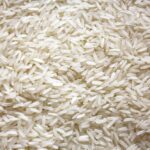
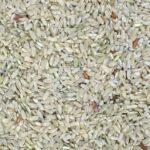
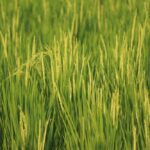
In the lush, undulating landscapes where golden grains sway gently in the wind, the journey of rice—from seed to harvest—unfolds as a testament to human ingenuity and nature’s bounty. For centuries,rice has been more than just a staple food; it has been the cornerstone of cultures and economies,woven into the fabric of traditions worldwide. Yet, as we stand on the brink of an agricultural revolution, the heartbeat of rice cultivation is evolving. Enter the realm of rice machinery, where tradition meets innovation, and age-old practices blend seamlessly with cutting-edge technology. This article explores the intricate dance between the past and the present, revealing how modern machinery is transforming the way we cultivate, harvest, and celebrate this vital grain. Join us as we delve into the fields where heritage and progress collide, illuminating the pulse of an industry that feeds billions while still honoring its roots.
Cultivating Legacies: The Interwoven Paths of Tradition and Modernity in Rice Farming
In the lush paddies of Southeast Asia,the stark contrast between age-old traditions and modern farming practices has become a tapestry woven from generations of knowledge and cutting-edge technology. Take, as a notable example, Seong, a rice farmer in Vietnam, who has spent decades cultivating his family’s land using techniques passed down through his ancestors. Every evening, as the sun dips below the horizon, Seong recalls his father’s guidance on the perfect timing for planting, the importance of local varieties, and the sacred rituals that accompany the harvest. Yet, with climate change wreaking havoc on weather patterns and pest invasions increasing, Seong faced a crucial decision: stick with tradition or embrace the tools of modern agriculture. Ultimately, he chose to integrate both by using precision farming technologies, such as drones for monitoring crop health and automated irrigation systems that optimize water usage. This melding of paths has allowed him not only to honor his heritage but also to adapt to the ever-evolving challenges of farming.
Similarly,in India,Priya,a young farmer,illustrates the intersection of tradition and modernity in rice farming. Raised in a community where hand-planting was the norm,she had high expectations when she was introduced to mechanical transplanters. Initially skeptical, she wondered if such machinery could replicate the care and precision of human hands. However, after her first trial, she was astonished by the efficiency and uniformity achieved with the machines. The results exceeded her expectations,yielding a higher harvest with less physical labor. Priya now advocates for this balanced approach within her village, holding workshops where she teaches others to use technology while respecting the traditional knowledge that still holds value for soil health and crop resilience. This shift illustrates how new methods can coexist with time-honored practices, fostering a farming legacy that respects the past while striving for sustainable growth.
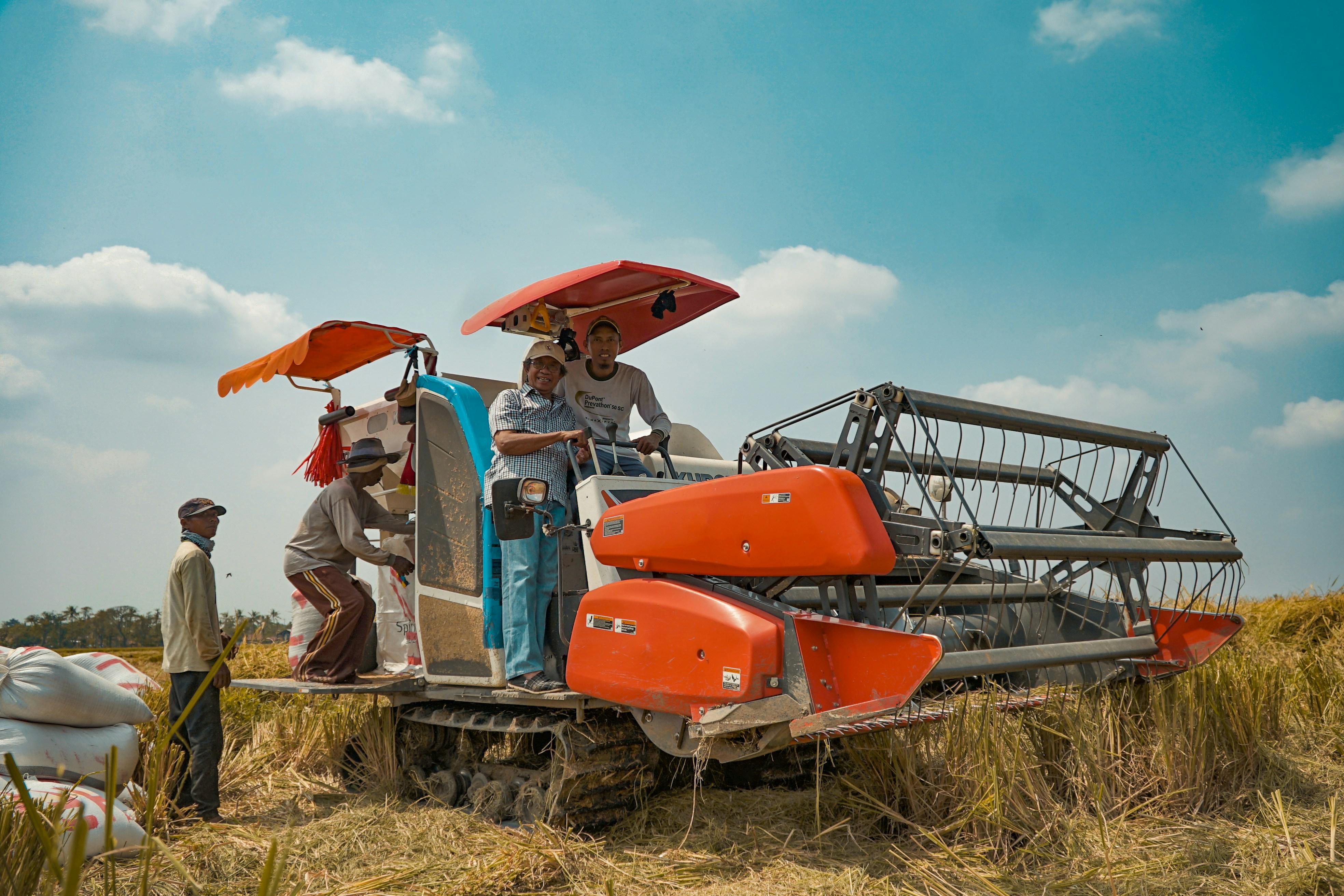
Navigating Challenges: How Rice Machinery Transforms Fields and Farmers’ Lives
For many farmers, the journey from seed to harvest is fraught with uncertainty.A prime example is the story of Rajesh, a rice farmer in northern India. With the monsoon season often unpredictable, Rajesh once faced a devastating dilemma: should he risk planting his crop early based on promising weather forecasts, or wait and potentially miss out on the best planting window? This tension was alleviated when he acquired a new rice planting machine equipped with precision technology. As Rajesh navigated his fields with this innovation, the conversion became evident. Not only did the machine prepare the land efficiently, but it also allowed him to plant his seeds in less time, ensuring optimum growth conditions. The result? A bumper crop that surpassed his expectations, providing a significant boost to his family’s income.
Yet, the impact of rice machinery goes beyond productivity. Consider the story of Meera, a mother of two who juggles farming with her household duties.Over the years, traditional methods left her fatigued and with irregular harvests. When she decided to invest in a multi-functional rice harvester, her life changed dramatically. With its help, she could now complete her harvest in a fraction of the time, allowing her to spend more hours with her children and participate in the local women’s cooperative. This machine not only streamlined her farming processes but also enabled Meera to shift her expectations—from merely surviving as a farmer to flourishing in her community. The tangible lessons for farmers like Rajesh and Meera highlight the story behind each piece of machinery: innovation grounded in tradition fuels not just productivity, but also hope and resilience in the heart of rural life.
Turning Points in Tillage: When Innovation Meets the Pulse of Agricultural Heritage
The journey of agricultural practices is often marked by meaningful turning points, moments where traditional methods encounter innovative solutions. Take the case of Mr. Nguyen, a rice farmer in the mekong Delta. For decades, Mr. Nguyen relied on the old bogged plow, a tool passed down through generations. It was reliable but labor-intensive, requiring long hours for planting and preparation. When he heard about a new mechanical rice transplanter, he wrestled with his expectations. could a machine really replace the expertise built over years? With encouragement from his neighbors who had begun to adopt these innovations, he decided to invest in the transplanter. The result? His planting time was cut in half, and he could allocate more hours to monitoring crop health and irrigation, effectively doubling his productivity while maintaining the quality he prided himself on.
This decision, however, was not without its challenges. Initially, Mr.Nguyen struggled with the adjustments needed to operate the new machinery effectively. Key lessons learned over the first season included the importance of aligning the machine’s settings with the specific nuances of his field, which had varying soil types. Compounding the learning curve were unexpected weather patterns that year, which tested both his old and new methods. Yet, by reaching out to local agricultural extension services and leveraging community knowledge, he gradually became adept at marrying tradition with innovation. The turning point came when he realized that rather than replacing his heritage of farming, the technology enhanced it. Essential takeaways from his experience included:
- embrace change but remain connected to the essence of traditional practices.
- Training and community support can bridge the gap between generations of farming knowledge and modern technology.
- Versatility in approach is crucial when adapting to new tools and circumstances.
This blend of new and old became a hallmark of his operations, illustrating how innovation does not have to erase heritage; it can, in fact, enrich it.
Harvesting Lessons: Stories from the Ground on the Evolution of Rice Machinery
In the rice-growing communities of Southeast Asia, the transition from traditional farming methods to mechanization often reflects a delicate dance between heritage and innovation. Take the case of Madam Nguyen, a rice farmer in the Mekong Delta, who has cultivated rice for over 30 years. For decades, her local knowledge and reliance on simple hand tools defined her farming strategy. When her son proposed investing in a small rice harvester, her initial response was one of skepticism. “Will it really save time? Or will it just create more problems?” she pondered, recounting that decision moment. Eventually, after seeing a neighbor successfully streamline his harvest and reduce labor costs, she decided to take the plunge. The change wasn’t seamless; at first, the machine struggled with the uneven terrain of her fields, but with time and practice, she learned to embrace the intricacies of operating modern machinery.
Madam Nguyen’s experience is emblematic of a larger narrative where challenges often mute initial expectations. As farmers adopt new machinery, they face a steep learning curve, balancing traditional practices with new methodologies.A local cooperative in her area tracks similar stories, revealing that approximately 70% of farmers who transitioned to mechanized harvesting initially encountered setbacks such as mechanical failures or crop loss due to improper settings. However, through trial and error, these farmers have collectively built a rich repository of knowledge, leading to improved practices. The cooperative now organizes hands-on training sessions, where farmers share insights, like the importance of adjusting machine speed based on the moisture content of rice. The evolution of rice machinery isn’t just about the technology; it’s about the stories,lessons,and community bonds formed along the way.
Closing Remarks
In the intricate dance of nature and technology, the journey from seed to harvest reveals not only the essence of rice cultivation but also the heartbeat of a rich tradition woven with the threads of innovation.As we bid farewell to the fields where ancient practices converge with modern machinery, we find ourselves at the crossroads of history and progress. These machines, while forged from metal and mechanics, carry within them the stories of generations who have sown their hopes and dreams into the soil.
The relentless rhythm of planting, nurturing, and harvesting reflects a deep-rooted respect for the land and a commitment to harnessing new technologies that enhance productivity and sustainability. The farmers, equipped with these powerful tools, are the heartbeat of this evolving narrative, crafting a future that honors the past while embracing the promise of tomorrow.
As we journey onward, the rice fields will continue to flourish under the watchful gaze of both tradition and innovation. May we remember that every grain tells a story—a story of resilience,adaptability,and the unyielding connection between humanity and the earth.In this cycle of growth, we are reminded that the seeds we plant today will shape the fields of the future, nourishing both body and spirit for generations to come.