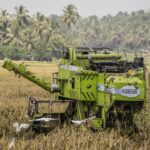
In the world of agriculture, where every grain counts and efficiency is paramount, mini rice milling machines have emerged as game-changers, revolutionizing the way small-scale farmers process their harvests. The delicate balance of tradition and technology unfolds as these compact powerhouses transform paddy into polished rice, ready for the market or home consumption. As the demand for high-quality rice continues to rise, so too does the need for innovative milling solutions that cater to efficiency without sacrificing quality.
This comprehensive guide delves into the myriad benefits and features of mini rice milling machines, illuminating their role in enhancing productivity and sustainability for farmers across the globe. Whether you’re a seasoned rice producer or a curious entrepreneur, join us as we explore the essential elements of these remarkable machines and unveil our top picks to help you navigate the options available in the market. Unlocking the door to efficiency doesn’t have to be overwhelming; wiht the right insights, you can find the perfect milling companion to elevate your rice production endeavors.
Exploring the World of Mini Rice Milling Machines and Their Transformative Benefits
Mini rice milling machines have become increasingly popular for small-scale rice production, offering an efficient choice to conventional milling methods. These compact machines typically process rice more quickly and effectively, allowing farmers and small business owners to produce high-quality rice while minimizing labor costs. Key benefits of mini rice milling machines include:
- size Efficiency: Designed to fit into smaller spaces, mini rice milling machines can be operated in homes, small farms, or local milling centers without requiring extensive infrastructure.
- COST-Effective Operations: Their lower initial investment and reduced operational costs offer an attractive option for entrepreneurs aiming to enter the rice milling industry.
- Enhanced Quality Control: With features that allow for precise milling and grading, users can achieve superior rice quality, which can lead to better market prices.
- Energy Efficiency: Many mini rice milling machines consume less energy compared to traditional models, making them eco-kind alternatives.
When considering which mini rice milling machine suits your needs, its essential to evaluate various models based on different factors such as production capacity, functionality, and ease of use.Popular options frequently enough vary in features, with some offering additional capabilities like husking, polishing, and grading all in one machine. A brief comparison of top models can provide clarity:
| Model | Production Capacity (kg/h) | Key Feature | Price Range ($) |
|---|---|---|---|
| Model A | 100 | Husking & Polishing | 500 – 700 |
| Model B | 150 | Multipurpose Functionality | 800 – 1,200 |
| Model C | 200 | Compact Design | 700 – 1,000 |
By carefully assessing your specific requirements, including the nature of your rice production and your budget, you can select a mini rice milling machine that not only meets your operational goals but also contributes to the sustainability and profitability of your venture.
Choosing the Right Mini Rice Milling Machine: Key Features You Shouldn’t Overlook
When selecting the perfect mini rice milling machine, several key features should be prioritized to ensure you make a sound investment that meets your specific needs. First and foremost, consider the capacity of the machine. Mini rice mills are available in various capacities, often measured in kilograms per hour.Understanding your production needs will help you choose a model that can efficiently handle your volume without compromising on quality.Additionally, the type of milling process employed—whether it’s a huller, a grinder, or a combined unit—matters significantly. A machine that utilizes a combination of husking and milling technology can save time and reduce operational steps, ultimately contributing to overall efficiency.
Another critical aspect to evaluate is the machine’s build quality and durability. A robust milling machine made from high-quality materials will not only withstand prolonged use but also minimize maintenance requirements over time. Ensure the model you select has features like adjustable milling degrees, which offer versatility for different rice types and desired finishes. Moreover, examine the ease of cleaning and maintenance; machines that require minimal disassembly for cleaning are frequently enough preferable. Additional features such as energy efficiency ratings, noise levels, and safety mechanisms should not be overlooked. Here’s a rapid comparison chart to highlight essential features:
| Feature | Importance | What to Look For |
|---|---|---|
| Capacity | determine output needs | Measured in kg/hr |
| Milling Process Type | Process efficiency | Huller, Grinder, or Combined |
| Build Quality | Durability and maintenance | High-grade materials |
| Adjustability | Versatility | Adjustable milling degrees |
| Energy Efficiency | operational cost | Look for ratings |
Debunking Common myths About Mini Rice Milling Machines: What You Need to Know
When considering mini rice milling machines, several myths can cloud judgment and impact decision-making. One prevalent misconception is that these machines are only suitable for small-scale operations. However, mini rice milling machines can cater to various needs, from household use to small businesses. They offer important benefits, such as:
- Cost-Effectiveness: Mini mills typically require lower initial investment and operating costs, making them accessible to a broader audience.
- Space Efficiency: Their compact design makes them ideal for locations with limited space, ensuring that even small operations can maximize productivity.
- Ease of Use: Many modern models come with user-friendly features, making them suitable for individuals with minimal technical experience.
another myth is that mini rice milling machines produce inferior quality rice compared to larger, industrial models. This is not the case, as advancements in technology have led to significant improvements in milling efficiency and quality. modern mini rice mills can effectively separate husk, bran, and white rice, and retain higher nutritional value due to lower heat generation during the milling process. Additionally, users might worry about the machines’ maintenance and durability.Though, with proper care, mini rice milling machines can last for years. It’s essential to regularly clean components and follow manufacturer guidelines for maintenance to ensure optimal performance. Thus,choosing the right mini mill involves evaluating brand reliability and user reviews to avoid common pitfalls.
A Comparison of Top Mini Rice Milling Machines: Which One Fits Your Needs Best?
When considering mini rice milling machines, it’s essential to assess your specific needs to find the right fit for your operation. Here are a few top contenders in the market, along with their distinguishing features:
- Engsko United Milling Systems: Known for their high-quality stone grinders, these machines excel in producing high-grade rice. They are durable,easy to maintain,and suitable for small to medium enterprises.
- Rice Master Mini: This option is praised for its compact design and efficiency. It offers automated features for easy operation, making it ideal for entrepreneurs starting in the rice milling business.
- Satake Mini Rice Mill: With innovative technology,the Satake machine provides superior polishing and cleaning functions. Its versatility supports various rice types, catering to different market demands.
When evaluating these machines, consider factors such as processing capacity, energy consumption, and ease of use. Below is a quick comparison table that highlights these features:
| Model | Processing Capacity (kg/h) | Energy Consumption (kW) | Ease of Use |
|---|---|---|---|
| Engsko United | 150 | 2 | Moderate |
| Rice Master Mini | 100 | 1.5 | Easy |
| Satake Mini | 120 | 1.8 | Easy |
Each machine comes with its own set of advantages and limitations, depending on your workload and budget. Carefully matching these factors to your operational requirements will help ensure you select the mini rice milling machine that enhances productivity and meets your quality standards.
Final Thoughts
mini rice milling machines stand as a testament to the remarkable convergence of technology and agriculture,offering not just efficiency but also empowerment to small-scale farmers and entrepreneurs. By understanding their benefits, features, and the top models available, you can make informed decisions that enhance productivity and streamline operations. Whether you are a seasoned business owner or a newcomer to the world of rice milling,these compact machines provide an possibility to unlock new levels of efficiency and growth in your endeavors. As you embark on your journey in this thriving sector, remember that the right tools can make all the difference—transforming grains into nourishment and dreams into tangible success. Thank you for delving into this comprehensive guide; may it serve as a valuable resource as you navigate the fascinating world of rice milling.