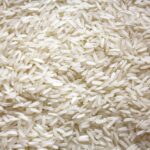
In the heart of many rural communities lies a quiet powerhouse: the small rice mill. these unassuming facilities play a pivotal role in shaping local economies, influencing food production efficiency, and fostering lasting agricultural practices. While often overlooked amid grander agricultural enterprises, small rice mills embody the spirit of grassroots innovation and resilience.They are the link between the farmer’s toil in the fields and the bustling markets where rice feeds millions. This article seeks to unravel the essential functions of small rice mills,exploring how they contribute not only to the livelihoods of rural families but also to the broader objectives of sustainability and resource efficiency.With an eye on their impact,we will navigate the intricate web of local economies,examine the strides made in production processes,and highlight the role of these mills in promoting agricultural sustainability. Join us as we delve into the world of small rice mills and discover the vital contributions they make to both communities and the environment.
Exploring the Economic Impact of Small Rice Mills on Local Communities
Small rice mills play a meaningful role in boosting local economies, but maximizing this impact requires careful management and strategic decision-making. to effectively explore their economic influence, stakeholders should consider the following actionable steps:
- Assess Local Demand: Evaluate the demand for milled rice in your community. Conduct surveys to understand consumer preferences and pricing sensitivity.
- Collaborate with Farmers: Build partnerships with local rice farmers to secure a consistent supply of raw material. Consider establishing contracts that guarantee both quality and price, fostering mutual benefit.
- Focus on Value Addition: Explore opportunities to expand product offerings beyond basic milled rice. As an example, introduce organic rice or rice-based products such as rice flour or snacks.This can attract new customer segments and increase profitability.
While developing small rice mills, it’s crucial to avoid common pitfalls that can hinder economic progress. for example, insufficient investment in technology can lead to inefficiencies. Make sure to evaluate different milling technologies and choose those that maximize yield while minimizing waste. Moreover, ensure reliable supply chains for both raw materials and distribution by forging strong relationships with logistics providers. here’s a practical checklist for your decision-making process:
| Action Item | Considerations |
|---|---|
| Technology Assessment | Compare costs and benefits of different milling machines and choose one that meets production needs efficiently. |
| Market Research | Analyze local competitors and identify gaps in the market to differentiate your products. |
| Supply Chain Strategy | Evaluate and secure reliable supply chains for both raw rice and distribution networks. |

Enhancing Production Efficiency Through Technological Innovations in Rice Milling
Investing in technological innovations in rice milling can significantly enhance production efficiency and profitability for small mills. When considering upgrades or changes, focus on adopting machinery that minimizes energy consumption, optimizes processing time, and improves yield rates. As an example, using modern pneumatic and gravity-fed rice milling systems can reduce breakage and enhance the quality of the final product. Check the following aspects when evaluating new equipment:
- Energy Efficiency: Opt for machines that have a low power requirement and consider those that utilize renewable energy sources, like solar power, for operations.
- Automation Level: Higher automation levels can reduce labor costs and human error.Machines with digital controls allow for precise monitoring of the milling process.
- Maintenance Requirements: Choose equipment that is easy to maintain and comes with a reliable service plan.
It is crucial to consider common pitfalls that can sabotage efficiency. Many small rice mill operators overlook the importance of regular maintenance, leading to breakdowns that disrupt production. Scheduling preventive maintenance can mitigate these risks and prolong machine life. additionally, lack of training in operating new technologies can result in inefficiencies; investing in staff training is essential. A study conducted in Southeast Asia found that mills that adopted automated sorting equipment saw a 25% increase in output compared to those that continued with traditional methods. Therefore, always prioritize smart investments in technology, continuous operator education, and routine maintenance checks to maintain and enhance efficiency.
fostering Sustainable Agriculture Practices: The Role of Small Rice Mills
Small rice mills can play a pivotal role in promoting sustainable agriculture practices within local communities. to maximize their potential, stakeholders should consider the following actionable steps:
- Invest in Efficient Technologies: Seek out mills that utilize energy-efficient machinery and eco-friendly practices, such as water recycling systems.As an example, some mills have adopted solar-powered operations, reducing their carbon footprint significantly.
- Engage in Farmer Education: Partner with local agricultural agencies to provide workshops on sustainable farming techniques. Ensuring farmers understand crop rotation and integrated pest management can greatly enhance yield and reduce dependency on chemical fertilizers.
- Establish Quality Control Measures: Create a system for assessing grain quality before and after milling. This not only ensures better market prices for farmers but also mitigates post-harvest losses. Regular training for staff on maintaining equipment can further prevent malfunctions that damage rice quality.
On the operational side, small rice mills should focus on building strong relationships with local farmers and distributors to enhance clarity and traceability in the supply chain. Here are some practical considerations:
- Implement a Feedback Loop: Collect feedback from farmers regarding the milling process and how it affects their crops.this intimacy can improve the milling process and lead to better practices in farming.
- Conduct Regular Financial Audits: Assess operational costs and seek out grants or subsidies available for sustainable practices. Tracking expenses helps identify inefficiencies that could be costing money, such as water waste during the milling process.
- Monitor Environmental Impact: Utilize tools such as a Carbon Footprint Calculator to regularly assess the ecological impact. Small adjustments can lead to significant improvements over time.
Strategies for Empowering Small Rice Mills to Thrive in Modern Markets
To empower small rice mills in today’s competitive landscape, it’s essential to adopt strategies that enhance operational efficiency and market reach. Start by conducting regular audits of your current production processes.Identify bottlenecks that are causing delays or inefficiencies. Implementing lean processing principles can streamline operations. For example, conducting a layout optimization analysis can help reduce transportation costs within your milling facility. additionally, forming partnerships with local farmers can ensure a steady supply of high-quality paddy. When negotiating, always check for quality certifications that can add value to your product and market appeal.
Emphasizing quality and branding can greatly influence market penetration. Focus on developing a unique selling proposition (USP) tailored to consumer preferences.Consider investing in certifications like organic or non-GMO for a premium market segment. Make sure to educate your employees on quality control measures; as noted in a case study from the Punjab region, mills that trained staff on grain selection processes showed a significant drop in customer complaints (from 15% to 5%). Additionally,leveraging technology such as social media and e-commerce platforms can expand your customer base. Maintain an active online presence; consider storytelling aspects in your branding to foster community engagement. Here’s a checklist to guide your efforts:
- Assess and Optimize Processes: Regularly evaluate production workflows.
- Secure Quality Inputs: Build reliable relationships with local farmers.
- Invest in Certification: Explore organic or specialty grain certifications.
- Educate Your Team: Implement regular training for quality checks.
- Enhance Online Presence: Develop a strategy for digital marketing.
future Outlook
As we conclude our exploration of small rice mills, it becomes abundantly clear that these humble establishments are far more than mere processors of grain; they are vital cogs in the machinery of local economies and sustainable agriculture. Their influence extends beyond the milled product, nurturing community resilience and fostering an environment where local farmers can thrive. By prioritizing production efficiency and sustainability, small rice mills not only contribute to the stability of food supply chains but also bolster regional identities and economies.
In an era where global challenges like climate change and food security loom large, understanding the multifaceted role of small rice mills invites us to appreciate the intricate connections that sustain our agricultural systems. As we look to the future, it is essential to support these local enterprises, ensuring they continue to play their crucial role in promoting sustainable practices, economic development, and the well-being of communities. The story of small rice mills is one of innovation, tradition, and hope—an enduring testament to the power of local solutions in an increasingly interconnected world.