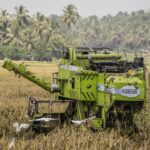
In the world of rice production,where quality and efficiency dictate the success of an entire harvest,the right machinery can make all the difference. the complete rice milling machine stands at the crossroads of tradition and technology, transforming raw grains into polished, market-ready products that meet consumer demands. But with a plethora of options available, choosing the right milling equipment can feel overwhelming. This article delves into the essential factors to consider when selecting a complete rice milling machine, ensuring that your investment not onyl maximizes yield but also enhances the quality of your final product. Join us as we explore the intricacies of this critical decision, equipping you with the knowledge to navigate the complexities of rice milling and achieve optimal results.
Maximize Efficiency and Quality: How to Select the Right Complete Rice Milling Machine for Your Business
To maximize efficiency and quality in your rice milling operations,selecting the right complete rice milling machine is paramount. Start by assessing the specific needs of your business. Determine your expected production capacity based on the volume of rice you process daily or weekly. As a notable example,if your demand is around 1 ton per hour,consider machines with a capacity of 1.5 to 2 tons per hour to allow for production flexibility and peak times. Key considerations should include:
- Machine Type: Opt for an automatic milling machine if you aim for higher efficiency,as it reduces labor costs and ensures consistent product quality. Manual machines may save initial costs but can lead to potential inconsistencies and higher labor expenses.
- Quality of Components: focus on machines with high-quality components, notably the milling and husking units. look for options with steel or ceramic milling stones, which produce finer rice and reduce breakage.
- Energy Efficiency: Investigate the energy consumption of the machines. Models designed for minimal energy use can save significantly over time; for example, a machine that uses 15% less power than competitors can translate into considerable savings on energy bills.
- Maintenance and support: Check the manufacturer’s reputation for after-sales service. Machines that require frequent maintenance can hinder productivity if downtime occurs. Brands that provide excellent support, such as 24/7 customer service or local technicians, can prevent costly interruptions.
It is common for businesses to underestimate the total cost of ownership when choosing a milling machine. To avoid this pitfall: create a comparison table that includes not only the purchase price but also the costs associated with maintenance, spare parts availability, and energy consumption over the lifespan of the equipment. For example:
| Feature | machine A | Machine B |
|---|---|---|
| Initial Cost | $25,000 | $20,000 |
| Annual Maintenance Cost | $1,000 | $1,500 |
| Energy Cost/Year | $3,000 | $4,000 |
| Total Costs over 5 Years | $40,000 | $54,000 |
This approach will help you visualize not only upfront expenses but also long-term financial implications, steering you toward smarter choices that enhance operational efficiency and product quality in your rice milling business.
Concluding Remarks
selecting the right complete rice milling machine is not merely a matter of choosing the latest technology; it’s about aligning your production goals with the efficiency and quality that meets your unique needs.By investing time to understand the options available and evaluating key factors such as capacity, functionality, and maintenance, you can ensure that your investment brings the best possible returns. As you venture forth into the world of rice milling, remember that the right machinery is the cornerstone of maximizing yield and maintaining the integrity of your product. with the insights from this guide, you are now equipped to make informed decisions that will enhance your operations and pave the way for a prosperous harvest. Here’s to achieving excellence in rice milling—one choice at a time.