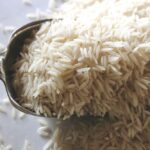
In the bustling world of agriculture, where every grain counts and efficiency is paramount, the right tools can make all the difference. For rice producers seeking to maximize yield and enhance profit margins, investing in a complete rice milling machine is not just a choice; it’s a game changer. Navigating the myriad of options available in the market can be daunting, but understanding the key factors that determine the effectiveness of these machines can lead you to a lucrative decision. This guide will illuminate the essential elements to consider when selecting a complete rice milling machine, ensuring that your investment not only boosts productivity but also aligns with your operational goals.Let’s embark on a journey to unlock the full potential of your rice milling endeavor, where efficiency meets profitability at every turn.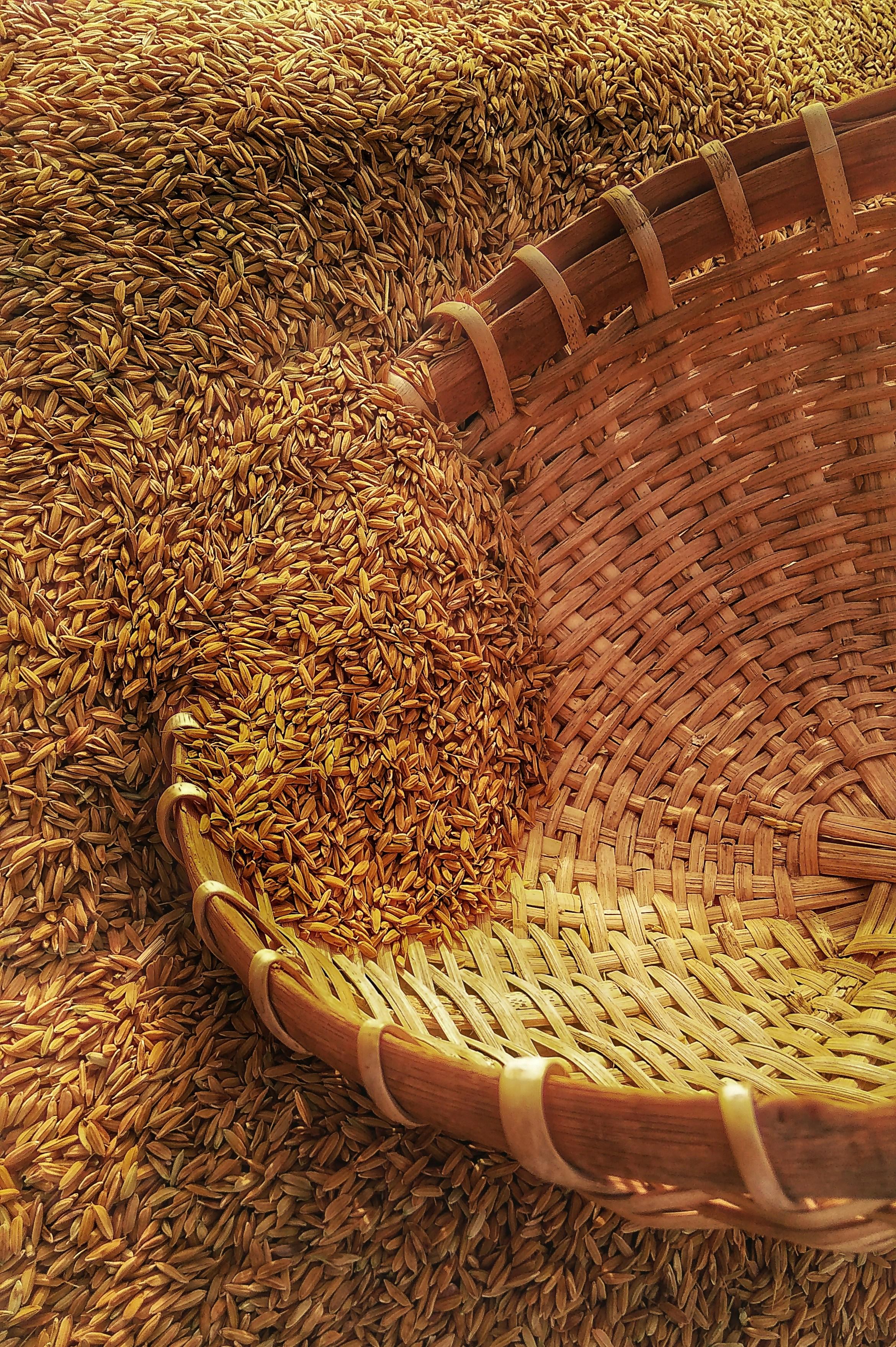
Maximize Your Grain Output: A Comprehensive Guide to Selecting and Utilizing Complete Rice Milling Machines for Optimal Efficiency
To maximize grain output with your rice milling operation, it is indeed crucial to choose the right complete rice milling machine that aligns with your production scale and quality requirements. Start by assessing your needs based on factors like the volume of paddy to be processed daily, the desired degree of milling (brown rice to white rice), and your target market. Pay attention to the following key aspects:
- Capacity: Check the machine’s output per hour.For a medium-sized operation, a machine with a capacity of 1-2 tons per hour usually suffices, while larger operations may require those capable of processing over 5 tons hourly.
- Technology: opt for machines equipped with modern technology like automated milling systems and destoners that separate impurities effectively. As an example,a machine that integrates rice whiteness sensors can help in maintaining optimal milling quality,reducing rework.
- Durability: Invest in machines made from high-quality materials that can withstand heavy usage. Look for warranties and service options to ensure long-term reliability.
Once you have selected a suitable machine, focus on it’s utilization to prevent common issues that can hinder efficiency and yield. Regular maintenance is paramount. as an example, cleaning the machine before and after operation minimizes grain residue that can spoil subsequent batches. Implement a schedule for checking key components like the fanning mill and husk separator; clogged parts can decrease efficiency by up to 20%. Additionally,monitor moisture content in the paddy—ideally between 12-14% before processing—to avoid breakage during milling. Utilize the following table to help in verifying maintenance and operational checks:
| Check Item | Frequency | Notes |
|---|---|---|
| Cleaning | Daily | before and after operation to prevent build-up. |
| Lubrication | Weekly | Ensure all moving parts are well-lubricated. |
| Moisture Testing | Daily | To prevent breakage and increase yield quality. |
In retrospect
selecting the right complete rice milling machine is not just a matter of procurement; it is a strategic decision that can significantly impact your operational efficiency and profitability. By taking the time to assess your specific needs, understand the nuances of different milling technologies, and consider factors such as capacity, cost-effectiveness, and ease of maintenance, you can ensure that your investment pays off in the long run. Remember, the right machine is not merely an asset but a partner in your quest for optimal yield. As you embark on this journey,may your choice lead to bountiful harvests,reduced waste,and improved margins—bringing you one step closer to realizing your goals in the dynamic world of rice milling. embrace the knowledge you’ve gained, and let it guide you to a future where efficiency and profit go hand in hand.