In the world of food production, the journey from grain to breakfast bowl is often overlooked, yet it is a crucial phase that defines the quality of one of humanity’s oldest staples: cereal. As consumer demands evolve and nutritional awareness rises, the milling industry must adapt, harnessing technological advancements to refine and optimize the processes that transform raw grains into the finely processed cereals we recognize on supermarket shelves. this article ventures into the intricate realm of cereal milling,exploring the technical specifications and performance comparisons of modern milling techniques. By dissecting various methodologies—ranging from traditional stone milling to cutting-edge roller and impact milling—this piece seeks to illuminate the intricacies of each approach, highlighting how innovations in technology are not only enhancing efficiency but also elevating the nutritional profile and sensory characteristics of milled products. Join us as we unravel the threads of cereal milling optimization, offering insights that could reshape industry standards and consumer experiences alike.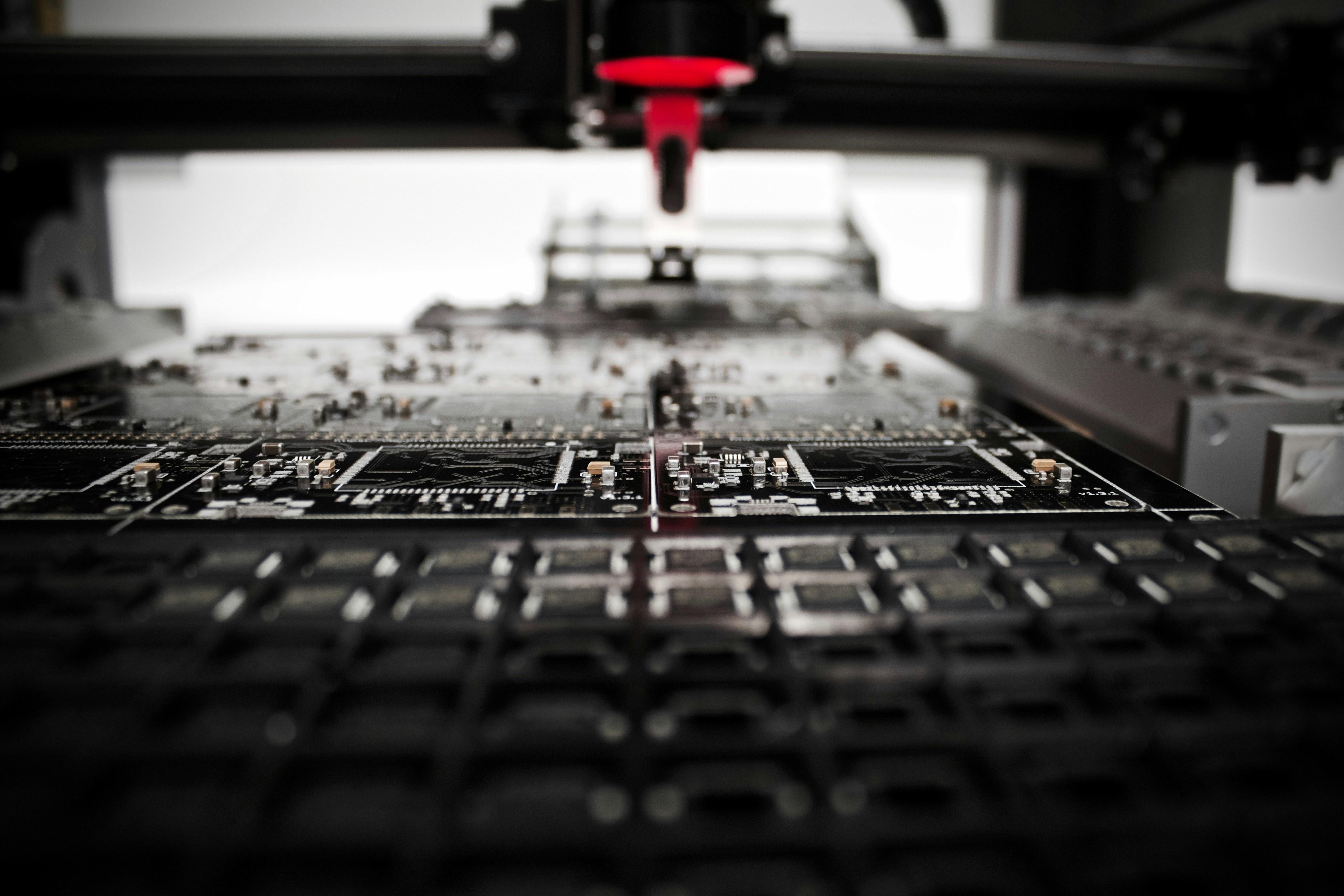
Advancements in Mill Configuration: Analyzing Structural Design for Enhanced Grain Processing
Advancements in mill configuration,notably in structural design,are pivotal in enhancing grain processing efficiency and output quality. Modern milling systems employ advanced engineering methodologies, including finite element analysis (FEA), to optimize mill frame configurations, thereby minimizing stress concentrations and vibrations. Key considerations in structural design include:
- Material selection: Utilization of high-strength alloys and composites to enhance durability and reduce maintenance intervals.
- Load Distribution: Designing mills with evenly distributed load-bearing structures to prevent deformation and prolong lifespan.
- Vibration Dampening: Integration of vibration isolation systems to mitigate operational disturbances that impact grain quality.
Additionally, mill configurations are tailored to specific processing requirements, such as the desired particle size and moisture reduction levels. for instance, roller mills typically utilize a series of paired rollers with adjustable gaps, allowing precise control over the grinding process. The specifications of these rollers—diameter, width, and material—directly influence throughput and particle distribution. In a comparative analysis, hammer mills may excel in achieving finer grinds but can generate more heat and over-processing effects, which diminish nutritional value and flavor. Factors like energy consumption and maintenance frequency are also critical performance indices. Table 1 illustrates a performance comparison of roller and hammer mills across different metrics:
| Mill Type | Particle Size (µm) | Energy Consumption (kWh/ton) | Maintenance Frequency (hours/month) |
|---|---|---|---|
| Roller Mill | 100-300 | 25-30 | 5 |
| Hammer Mill | 50-150 | 35-45 | 10 |

Evaluating Precision and Efficiency: A Comparative Study of Roller and Hammer Milling Techniques
When evaluating milling precision and efficiency, the choice between roller and hammer milling techniques hinges on their distinct operational mechanics and intended outcomes. Roller milling, working on the principle of compression and shear, employs two or more cylindrical rolls that rotate in opposite directions. this mechanism facilitates consistent particle size reduction by pressing the grain against the rolls, resulting in a fine and uniform flour. Key specifications include the roll gap setting, which typically ranges from 0.5 to 1.5 mm, and can be adjusted according to the desired flour fineness. In contrast, hammer milling utilizes high-speed rotating hammers to deliver mechanical impact, fragmenting grains into smaller particles. The critical parameters for hammer milling are screen size and feed rate; screens generally range from 1 to 5 mm, with optimal feed rates determining energy efficiency and particle consistency.
When comparing precision and efficiency, it is essential to consider factors like the moisture content of the grain, the type of cereal being milled, and the intended flour particle size distribution. Roller mills tend to produce a more consistent flour quality, making them ideal for producing high-grade products such as bakery flour, while hammer mills can achieve higher throughput rates and are more versatile for various grain types. However, hammer milling often results in a wider particle size distribution and may generate more heat, influencing flour quality through potential denaturation of proteins. A comparative summary is shown below:
| Milling Technique | Precision | Efficiency | Limitations |
|---|---|---|---|
| Roller Milling | High, uniform particle size | Moderate, dependent on roll configuration | Cost-intensive, slower milling rate |
| Hammer Milling | Variable, wider size distribution | High, faster throughput | Produces heat, less efficient for fine milling |
Ultimately, the choice of milling technique should align with the end-product requirements, facility capabilities, and operational costs. Understanding the fundamental differences in mechanisms between roller and hammer milling is crucial for optimizing cereal milling processes.

Material Matters: The Impact of Grain Quality on Milling Performance and Product Consistency
the quality of grain significantly influences milling performance and the consistency of the end product. Grain quality can be evaluated through several key criteria, including moisture content, kernel hardness, and screening factors. For example, optimal moisture content should typically range between 12-14% for wheat, as higher moisture can lead to issues such as mold growth or poor milling yield. Kernel hardness, measured using a scale from soft to hard, affects the milling process; hard grains yield finer flour while soft grains are more suited for products requiring a coarser texture. Screening factors involve the grain’s ability to pass through specific mesh sizes during milling, which directly correlates with the particle size distribution in the final flour product.
The milling process itself can also be optimized by understanding the impact of grain quality on machinery performance. Factors such as roller mill settings, impact mill configurations, and temperatures during milling can determine processing efficiency and product consistency. As an example, using a combination of high and low shear forces in roller milling improves extraction rates while maintaining quality.A comparative analysis of different milling techniques, like roller milling versus stone milling, reveals that roller mills generally provide superior control over particle size distribution, yielding more consistent flour characterized by lower deviations in quality metrics such as protein content and gluten strength. Though, stone milling can impart unique flavor characteristics beneficial for artisanal products, albeit with more variability in granulation. Table 1 summarizes these key comparisons:
| Milling Technique | Particle Size Control | Flavor Profile | Yield Consistency |
|---|---|---|---|
| Roller Milling | High | Neutral | High |
| Stone Milling | Moderate | Rich/Complex | Variable |

Navigating Limitations and Trade-offs: Key Engineering Decisions in Modern Cereal Milling Practices
navigating the complexities of cereal milling requires engineers to make informed decisions that balance efficiency, product quality, and operational costs. In modern milling practices, key factors influencing these decisions encompass:
- Mill Type: The choice between roller mills and impact mills greatly impacts particle size distribution. Roller mills provide more precise particle sizes, while impact mills offer versatility for various grain types.
- Energy Consumption: The energy input per ton of grain milled must be optimized. for instance, modern roller mills often achieve approximately 10-20% lower energy consumption compared to traditional designs.
- Separation Efficiency: Technologies like air classifications and sifters enhance separation but involve trade-offs between speed and efficiency.Striking the right balance ensures minimization of flour losses during the milling process.
- Durability and Maintenance: Components must withstand wear, with hardened steel being preferred for critical parts. This influences the total cost of ownership through maintenance intervals.
Another significant consideration is the inherent limitations posed by raw material variability.Quality parameters like moisture content and kernel hardness directly affect milling performance. For example, grains with high moisture can lead to increased stickiness, complicating the milling process and perhaps causing machine downtime. To address this challenge, process logic should be implemented whereby moisture is monitored and controlled prior to milling, leveraging technologies like infrared sensors for precision. Performance factors also extend to the output quality, measured through the flour extraction rate and particle size analysis. A comparative analysis of roller mills gathered metrics showing an optimal extraction range of 72-75%, which is achievable using specially designed grinding rolls versus less efficient systems that might yield only 65-70%.Implementing these specifications effectively allows for maximizing profitability while adhering to product standards.
Wrapping Up
the landscape of cereal milling is ever-evolving, driven by the relentless pursuit of efficiency, quality, and sustainability. As this article has highlighted, modern milling techniques offer a diverse array of technical specifications and performance capabilities, each tailored to meet the specific demands of today’s grain processing industry. By integrating innovative technologies such as advanced grinding systems and precision control mechanisms, millers can not only optimize yield and consistency but also enhance the nutritional and sensory qualities of their products.
As the competitive landscape continues to shift, keeping pace with these advancements is paramount. The comparisons drawn throughout this discussion serve as a valuable guide for stakeholders seeking to make informed decisions regarding equipment investments and operational strategies. Ultimately, the future of cereal milling lies in the balance between traditional practices and cutting-edge innovation, ensuring that the grains of tomorrow meet both the expectations of consumers and the challenges of our changing world.
Let us move forward with a commitment to excellence, embracing the technological breakthroughs that will shape the milling industry for years to come. The journey toward optimization is just beginning, and with each new technique and technology, we continue to unlock the potential of the humble cereal grain.