In the expansive world of grain processing, the art of cereal milling stands as a crucial cornerstone, intricately connecting farmers’ harvests with the food on our tables. As global demands for high-quality grain products continue to rise, optimizing cereal milling processes has never been more essential. This article delves into the precision processes that govern modern milling operations, examining performance metrics that gauge efficiency, quality, and sustainability. By exploring the critical specifications that define these processes,we aim to illuminate the path toward enhanced grain transformation,ensuring not only improved product outcomes but also the responsible stewardship of our agricultural resources. Join us as we navigate the intricate landscape of cereal milling, where each grain holds the promise of a better product and a more efficient future.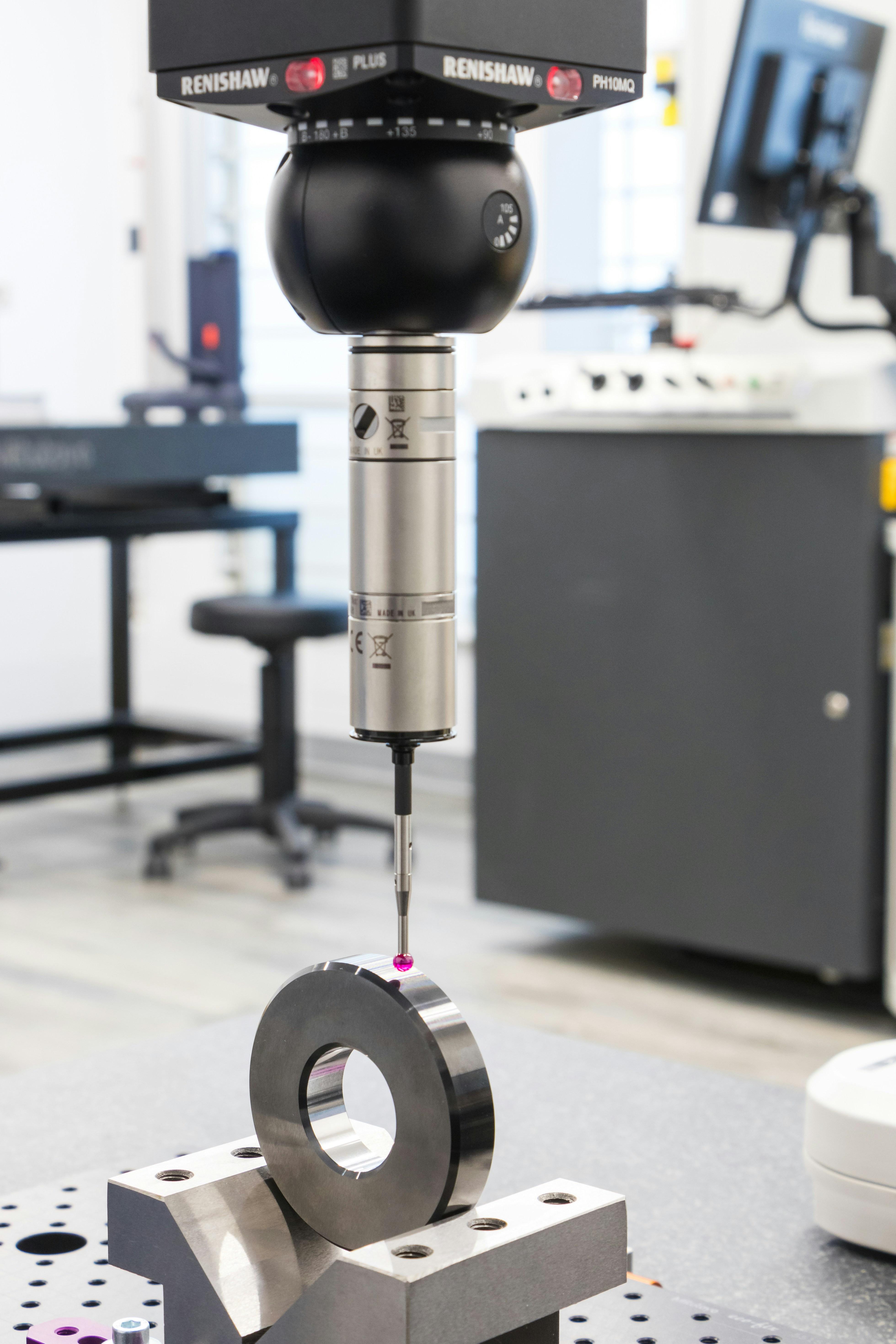
Precision Engineering in Cereal Milling: Delving into Process Optimization and Material Specifications
Precision engineering in cereal milling involves the meticulous design, selection, and implementation of machinery and processes that ensure optimal grain transformation while maximizing yield and quality. The essential mechanisms at work include size reduction via grinding, which is predominantly carried out using roller mills and hammer mills. The choice between these methods hinges on the specific requirements of the milling process, such as the desired particle size and the behavior of the specific grain being processed. For instance, roller mills are preferable for producing fine flour with uniform particle size, while hammer mills excel in applications requiring coarser grinds. The efficacy of these machines is frequently enough evaluated using performance metrics like energy consumption per ton of processed grain, throughput rate, and operating efficiency, which must also align with predetermined material specifications such as moisture content, hardness, and density of the grains being processed.
When optimizing process parameters, several criteria must be evaluated, including the maintenance of consistent particle size distribution, reduction of thermal degradation during milling, and minimization of moisture losses. A precise control system enabled by sensors and automation technology plays a vital role in achieving these objectives. For example, continuous moisture monitoring can adjust milling conditions in real-time, thereby preventing over-drying or excessive heat generation, which can compromise grain quality. Limitations to consider in precision cereal milling include variability in grain characteristics,which can affect machine performance and product quality. In this very way, ongoing performance assessments, aligned with ISO 9001 quality management standards, allow millers to refine their processes while utilizing metrics like the Milling Efficiency Index (MEI) to benchmark against industry standards.The integration of software solutions for data analytics further enhances the milling operation, providing insights for continuous improvement throughout the production life cycle.

evaluating Performance Metrics in Grain Transformation: A Technical Perspective on Cereal Milling Efficiency
Evaluating performance metrics in cereal milling involves examining various technical parameters that directly influence milling efficiency and product quality.Key performance metrics include extraction rate, energy consumption, and particle size distribution. the extraction rate, typically expressed as a percentage, measures the amount of flour obtained from a specific weight of grain. Optimal extraction rates range from 70% to 75% for high-quality milling processes, with parameters such as grain type and quality substantially affecting these outcomes. For instance, soft wheat typically yields a higher extraction rate than hard wheat due to differences in starch content and gluten structure.
Another critical metric, energy consumption, is evaluated in terms of kilowatt-hours per ton of grain processed. Efficient milling shoudl minimize energy use while maximizing productivity, and a benchmark of 20-30 kWh/ton is considered effective for many modern milling operations. particle size distribution is assessed using sieve analysis, where the goal is to achieve specific size distribution curves that meet both regulatory standards and market demand. Limitations in these metrics frequently enough stem from variations in raw material quality, wear of milling machinery, and the moisture content of the grain. Continuous monitoring and modernization of milling equipment, such as incorporating sensor technologies and data analytics, can lead to enhanced performance and allow millers to make real-time adjustments that improve overall efficiency.

Innovations in Cereal Milling: Comparing Techniques and Their Impact on Quality and Yield
Modern cereal milling techniques have undergone significant innovations, each aiming to enhance grain transformation quality and yield. among the most prominent methods are roller milling, stone grinding, and impact milling.Roller milling, traditionally used across the industry, employs cylindrical rollers that exert shear and compression forces on the grain. This process is efficient for producing fine flour and achieving precise particle size distribution, typically around 40-100 microns. In contrast,stone grinding is a more traditional method that mills grain between two stones,preserving essential nutrients by minimizing heat generation. While this method enhances the flavor and nutritional profile of the flour, it can produce a coarser product with a wider particle size distribution, generally between 70-200 microns. Impact milling utilizes high-speed blades to shatter the grain, allowing for the rapid production of flour with variable particle sizes. Each technique’s choice directly influences the functional properties of the resulting flour, as seen in applications ranging from baking to pasta production.
The evaluation of these milling techniques requires a comprehensive comparison based on several performance metrics, including extraction rates, particle size uniformity, and nutritional retention.As a notable example, roller milling typically achieves higher extraction rates—averaging 70-75%—compared to stone grinding, which frequently enough yields around 65-70%. However, stone-ground flour retains more bran and germ, enriching the final product with fiber and essential nutrients, making it more appealing to health-conscious consumers. Additionally, limitations in milling techniques must be considered; roller mills are susceptible to heat damage, which can alter flour functionality negatively, while impact mills might not achieve the desired fineness without further refining processes. Ultimately,the decision on milling technology should rely on a balance of desired flour quality attributes,production efficiency,and economic feasibility,ensuring alignment with market demands and end-user expectations.

Understanding the Limitations and Opportunities in Cereal Milling: A Thorough Assessment of Engineering Decisions and Quality Factors
Understanding the limitations in cereal milling is essential to optimizing the entire grain transformation process. Several engineering decisions impact production efficiency,product quality,and operational costs.Key factors include the type of milling equipment (e.g., roller mills, hammer mills, or stone mills), the configuration of the milling system, and the choice of auxiliary equipment. For example, roller mills provide precise cutting and a uniform particle size, making them suitable for producing farina or flour. tho, limitations arise from factors such as heat generation, which can degrade flour quality by affecting enzyme activity or leading to rancidity. Furthermore, the milling process is sensitive to kernel moisture content, which ideally ranges between 12-14%. Operating outside of these limits can result in inconsistent milling outcomes.
Opportunities in cereal milling often hinge on advances in technology and real-time data analytics.Implementing performance metrics such as milling yield, extraction rates, and specific energy consumption can elucidate areas for improvement. By utilizing IoT sensors and automation in the milling process, operators can continuously monitor and adjust variables like feed rates, temperature, and humidity. These adjustments can decrease waste and enhance product uniformity. The following table summarizes critical performance factors and their implications:
| Factor | Implication |
|---|---|
| Particle Size Distribution | Affects baking properties and ingredient functionality. |
| energy Consumption | Directly influences production costs and sustainability efforts. |
| Consistency of Feedstock | Variability can lead to fluctuations in quality and process stability. |
To Conclude
as we conclude our exploration of optimizing cereal milling, it becomes evident that the art and science of grain transformation lie in the delicate balance of precision processes and performance metrics. The journey from raw grain to the final product is a complex one, demanding not only advanced technology but also a keen understanding of the nuances that drive efficiency and quality. By honing in on key specifications,mill operators can not only elevate their production standards but also significantly enhance the overall value of their output.
In a world where consumer expectations continue to evolve and the market becomes increasingly competitive, adopting a forward-thinking approach to milling practices is essential. As we look towards the future, embracing innovation and sustainability will be key to ensuring that cereal milling not only meets the demands of today but also lays the groundwork for tomorrow’s challenges.
In this dynamic landscape, the optimization of milling processes stands as a gateway to unlocking the full potential of grain transformation. Let us move forward, inspired by the insights gathered, to redefine our perceptions of milling excellence and to foster a future where every grain is transformed with unmatched precision and purpose.