In teh heart of rural landscapes, where fields stretch endlessly under the sun, a quiet revolution is taking place—one that promises to transform the age-old art of rice cultivation into a beacon of economic vitality. “From Grain to Gold” explores the intricate journey of rice, a staple crop that nourishes billions, as it steps into the modern era through the lens of advanced processing technology. As farmers around the globe seek ways to enhance their yield and profitability,innovative rice processing machines are emerging as game-changers,redefining agricultural practices and reshaping the agricultural economy. This article delves into the mechanics of these cutting-edge machines, the science behind their design, and their impact on farmers’ livelihoods, revealing a future where each grain harvested holds the promise of prosperity.Join us as we unpack the transformative power of technology in agriculture and its potential to turn humble grains into a golden harvest.
Unveiling the Dark Side of Automation: The Environmental Trade-Offs of High-Tech Rice Processing
The advancements in rice processing technology have undeniably transformed agricultural profitability, but they come with a hidden cost that merits careful examination.High-tech machinery often utilizes complex systems that, while improving efficiency and yield, can lead to significant environmental trade-offs. These include:
- Resource Intensive Manufacturing: The production of cutting-edge processing machines demands substantial materials and energy, often sourced from processes that are environmentally detrimental.
- Increased Carbon Footprint: Automated systems may rely on fossil fuels, contributing to greenhouse gas emissions during operation and transportation.
- Waste Generation: many high-tech solutions create waste byproducts that need to be managed, potentially contaminating local ecosystems if not handled appropriately.
To strike a balance between agricultural advancement and environmental stewardship, farmers and stakeholders must be strategic in their adoption of technology. A nuanced approach could involve:
- Lifecycle Assessments: Evaluating the long-term environmental impact of machinery from production to disposal can definitely help make informed decisions.
- Emphasizing renewable Resources: Investing in renewable energy sources for machinery operations can greatly reduce the carbon footprint associated with high-tech processing.
- Rethinking Automation Levels: Not all processes necessitate full automation; a hybrid approach that integrates conventional methods with technology could lessen waste and energy demands.
These considerations encourage a more responsible trajectory in embracing rice processing innovation, ensuring that profit does not come at the expense of the planet.
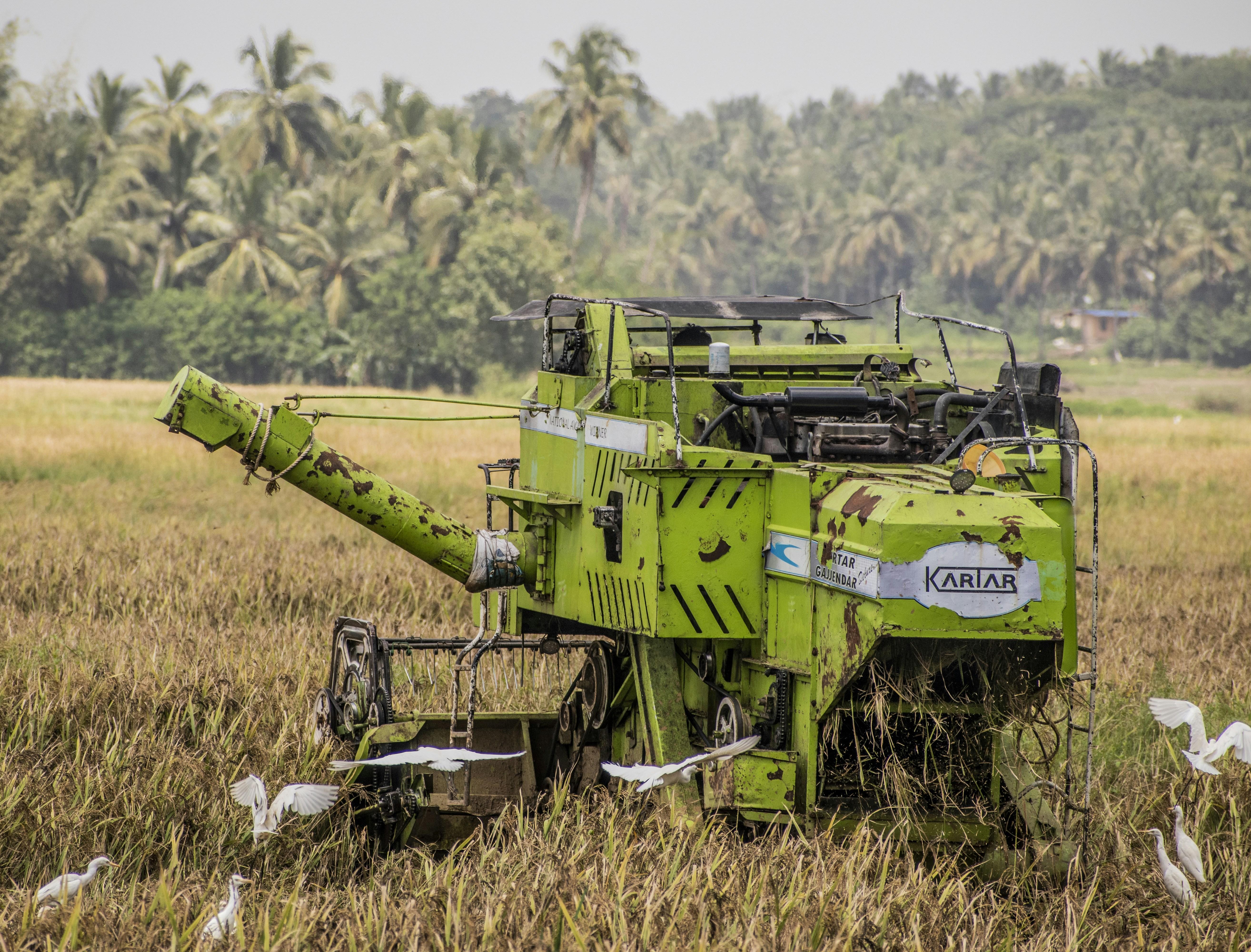
Beyond the Hype: Evaluating the Long-Term Profitability of Advanced Rice machinery Against Traditional Methods
When assessing the viability of advanced rice machinery versus traditional methods, it’s essential to go beyond surface-level comparisons and address the underlying economics. Advanced machinery can improve efficiency and yield, but these benefits come at significantly higher upfront costs. The following trade-offs are critical to consider:
- Capital Investment: Advanced machines can require an initial investment that is several times greater than traditional methods. For farmers in developing regions, this can create a barrier to entry.
- Operational Efficiency: While the advanced machines typically offer faster processing times and reduced labor costs, less technologically inclined operators may encounter steep learning curves, negating immediate profitability.
- maintenance and Repair: Dependence on sophisticated machinery introduces challenges in maintenance, which may lead to increased downtime if skilled technicians are not readily available.
Despite these challenges, the long-term profitability of advanced machinery can be compelling for specific farming profiles. For instance,larger-scale operations that can spread initial costs over substantial yields might find swift returns on investment. Conversely, smaller farms could benefit more from traditional methods, using manual processes that are less capital-intensive. A nuanced recommendation is to construct a hybrid model, blending traditional practices with selective technological upgrades. This strategy allows farmers to progressively adopt new technologies without compromising their operational stability,thus fostering adaptability and gradual enhancement of profitability.The balance lies in understanding local agriculture environments and aligning machinery investments with specific production goals.
Navigating the Rice Revolution: Strategic Choices for Farmers in an Era of Rapid Technological Change
In the face of accelerating technological advancements, farmers are now confronted with crucial choices that could redefine their roles within the rice supply chain. Adopting advanced rice processing machines offers several notable advantages, but farmers must navigate a landscape filled with opportunities and potential pitfalls. Key strategic choices include the selection of machinery based on factors such as:
- Initial Investment vs. Long-term ROI: High-quality processing machines tend to have steep upfront costs but may yield significantly higher profits through efficiency gains and quality outputs.
- Training Needs: Investing in advanced technology may require ongoing training for staff,which can delay immediate productivity gains.
- Scaling Operations: Farmers must evaluate whether technology investments align with their future growth aspirations, considering the ability to scale up operations or diversify product offerings.
A nuanced approach is essential when weighing these trade-offs. For instance, smaller farmers might initially hesitate to adopt high-tech machines due to cost concerns but could benefit from cooperative models, pooling resources with peers to share machinery costs. On the other hand,larger operations could encounter diminishing returns from over-investment without careful market analysis,making it crucial to prioritize investments that align closely with current consumer demand trends. Additionally, while the adoption of technology can expedite processing and increase quality, it shouldn’t overshadow the value of market insights and traditional practices that contribute to crop resilience.Fostering a balance between innovation and time-tested agricultural practices will empower farmers not only to thrive in a rapidly evolving environment but also to contribute to a lasting food system.
Redefining Success: A Critical look at Profitability Metrics in Modern Rice Production and Processing Techniques
The notion of profitability in rice production has frequently enough been simplistically defined by yield metrics alone—how many tons per hectare can be harvested and sold. However, with the integration of advanced processing machines, a more nuanced framework for assessing profitability emerges. Farmers must recalibrate their focus from traditional yield-centric measurements to a broader set of profitability metrics that capture the full spectrum of value added throughout the production chain. This includes examining processing efficiency, cost reductions, and product quality improvements as critical components of profitability. As a notable example, while the introduction of sophisticated milling technologies may require significant upfront investments, these machines can drastically reduce post-harvest losses and enhance the quality of the final product, both of which can directly boost market prices and farmer income in the long run.
- Cost-Benefit Analysis: Evaluate the long-term financial implications of new technologies beyond initial costs.
- Market Demand Alignment: Understand consumer preferences for quality, packaging, and even organic certifications to align production methods with profitability.
- Sustainability Practices: Incorporate eco-friendly methods, as modern consumers are willing to pay a premium for sustainably produced rice.
Moreover, the trade-offs inherent in adopting these advanced systems must be critically examined. While high-tech machinery can enhance productivity, it also requires a skilled workforce capable of operating and maintaining complex systems. thus, investing in human capital through training becomes indispensable. Farmers should seek partnerships with tech providers for ongoing education, ensuring that they maximize the efficiency of their new equipment. Moreover,non-financial returns,such as community growth and environmental sustainability,should inform broader strategic decisions. As the marketplace becomes increasingly competitive and interconnected, recognizing that profitability extends beyond the balance sheet could very well determine which rice producers succeed in the long-term landscape.
In Summary
As we peel back the layers of transformation within the rice industry, it becomes evident that the journey from grain to gold is not just a metaphor, but a tangible reality fostered by innovation. Advanced rice processing machines have emerged as pivotal players in this evolution, enabling farmers to maximize yields and reduce waste while significantly enhancing the quality of their produce.
This shift towards automated, efficient processing has far-reaching implications, not just for individual farmers but for entire agricultural economies. By embracing these technologies, we open the door to a more sustainable and profitable future, where every grain harvested equates to not just sustenance but a viable economic possibility.As we conclude this exploration, it’s clear that the true wealth of agriculture lies not only in the golden grains produced but in the strategic advancements that allow us to cultivate them more effectively. The road ahead is paved with potential, and with continued innovation and adaptation, the agricultural landscape will undoubtedly continue to flourish, transforming grains into gold for generations to come.