
In the intricate dance of agriculture,where tradition meets innovation,the processing of paddy stands as a pivotal step towards achieving optimal yield and quality. As global demands for rice continue to soar, the need for efficient and precise processing techniques has never been more critical. This article delves into the world of paddy processing,illuminating the mechanics behind precision techniques that promise to enhance both yield and quality. By examining performance metrics and comparative strategies, we aim to uncover methods that not only elevate the standards of paddy processing but also foster sustainability within the industry. Join us on this analytical journey as we explore the cutting-edge approaches reshaping the landscape of rice production, ensuring that farmers and consumers alike reap the rewards of scientifically optimized processing.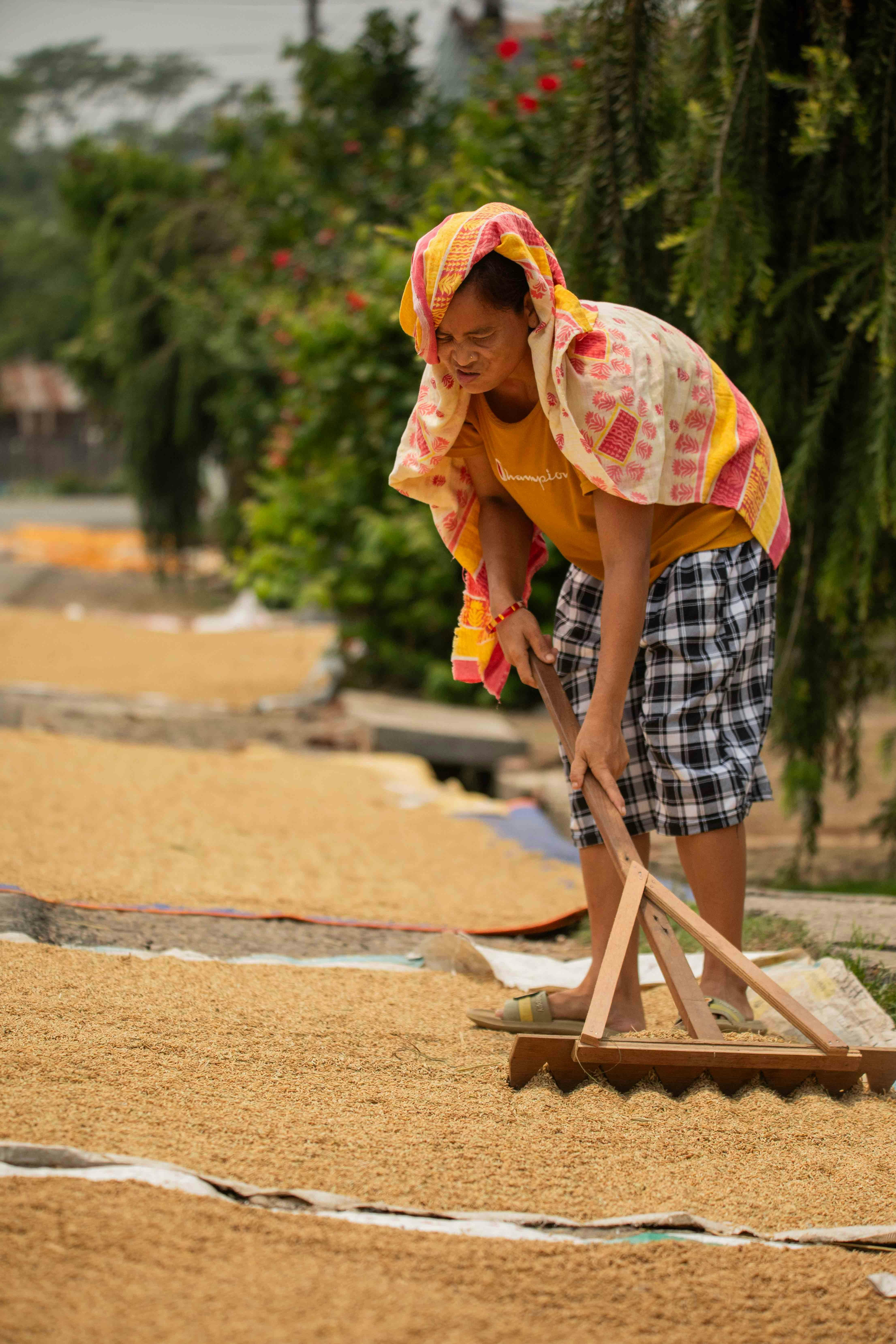
dynamic Approaches to Paddy Processing Efficiency through Advanced Performance Metrics
Dynamic approaches to paddy processing efficiency hinge on the implementation of advanced performance metrics that quantify the effectiveness of various processing techniques. Key mechanisms include the integration of real-time data analytics and automation into processing systems to optimize yield and quality. As an example, utilizing Operating Time Efficiency (OTE), which accounts for the uptime of machinery against the total production time, allows producers to identify bottlenecks in process flow. Furthermore, metrics such as the Quality Loss Index (QLI)—which measures the deviation of processed paddy from desired quality standards—can drive continuous improvement. The following criteria are essential in these assessments:
- Throughput Rate: the volume of paddy processed in a defined time frame, influencing overall efficiency.
- Breakage Ratio: The proportion of broken grains after processing, indicative of quality.
- Energy Consumption: Monitoring kilowatt-hours per ton of paddy processed to evaluate resource efficiency.
Performance factors affecting these metrics include machine calibration, operator proficiency, and maintenance schedules. For example, a study showed that regular calibration of rice milling machines reduced breakage from 15% to 8%, significantly enhancing yield quality.Limitations frequently enough arise from the variability in paddy quality and moisture content, affecting processing consistency. It’s essential to employ comparative strategies, such as benchmarking against industry standards or peer performance, to identify gaps and drive performance. A simple comparative table might illustrate how different milling techniques impact key metrics:
| Milling Technique | Throughput Rate (kg/hour) | Average Breakage ratio (%) | Energy Consumption (kWh/ton) |
|---|---|---|---|
| Traditional Milling | 600 | 15 | 22 |
| Modern Milling | 800 | 8 | 18 |
In adopting these dynamic approaches, processors can not only streamline operations but also enhance sustainability practices, ultimately contributing to the economic viability of paddy processing as a whole.

Engineering Innovations in Paddy Processing: A Critical Evaluation of Precision Techniques
Engineering innovations in paddy processing have seen a significant shift towards precision techniques that improve both yield and quality. At the heart of these innovations is the integration of automation and data analytics into traditional processing workflows. For instance, the use of Optical Sorters enabled by machine vision technology allows for real-time detection and removal of defective grains based on color and size. this process enhances quality while reducing the manual labor needed, thus optimizing operating costs. Key specifications for such systems often include:
- Accuracy: Sorters can achieve up to 99% accuracy in identifying unwanted materials.
- Throughput: Capable of processing between 1-3 tons per hour.
- ROI: Firms report a return on investment in less than two years due to increased marketability of refined grains.
Despite the improvements,certain limitations persist with these technologies. Precision milling techniques, such as the use of high-efficiency, low-temperature grinding, can enhance yield by minimizing broken grains; however, they also require more complex machinery and maintenance.performance factors, including moisture content and grain composition, must be monitored closely to optimize adjustments in real-time processing.Additionally, precision drying units using infrared or microwave technology can be employed but may struggle to maintain consistent moisture levels across varying paddy batches. Comparing this to traditional methods, which rely on ambient air flows, illustrates a trade-off between efficiency and consistency versus simplicity and potential grain damage.
exploring Comparative Methodologies in Paddy Processing for Superior Yield and Quality
In the realm of paddy processing, comparative methodologies are vital for achieving superior yield and quality. Various processing techniques such as conventional,semi-mechanized,and fully mechanized approaches present distinct operational paradigms. as a notable example, the conventional method primarily involves manual harvesting, threshing, and winnowing, resulting in labor-intensive processes that frequently enough lead to lower quality due to impurities and damage during handling. In contrast,semi-mechanized and fully mechanized systems employ advanced machinery,allowing for enhanced efficiencies and cleaner produce. Key performance metrics for evaluating these methodologies include output yield, processing time, loss rates, and final grain quality. Notably, mechanization tends to reduce loss rates and minimize physical damage, resulting in higher marketability of the paddy. However, the capital expenditure required for mechanized equipment can be a significant barrier for smallholder farmers.
When comparing methodologies, specific mechanisms must be evaluated for their effectiveness in processing. Such as, dehuskers and millers vary in their ability to remove husks while preserving the grain’s integrity. Performance factors such as roller design, speed settings, and temperature control are crucial for ensuring optimal milling quality. A well-designed comparative analysis can include parameters such as:
| parameter | Conventional | Semi-Mechanized | Fully Mechanized |
|---|---|---|---|
| Yield (kg/hr) | 100 | 300 | 600 |
| Quality Score (0-10) | 6 | 8 | 9 |
| Cost Efficiency ($/kg) | 0.50 | 0.40 | 0.30 |
Limitations also need to be considered, such as the adaptability of mechanized solutions to various paddy varieties and geographical constraints. In regions with limited access to technology, reliance on traditional techniques can persist, leading to trade-offs between yield and quality.Furthermore, the labor requirements and skill competencies must be factored into the comparison, as advanced mechanization necessitates a workforce that is trained in operating and maintaining sophisticated equipment. Thus, thorough assessment and integration of these methodologies based on local context can guide stakeholders toward optimal paddy processing solutions that align with both economic viability and quality aspirations.
Material Selection and Design Optimization: Enhancing Paddy Processing for Consistent Quality Results
Material selection plays a pivotal role in the efficiency and effectiveness of paddy processing, influencing both yield and quality of the final product. When choosing materials for paddy processing equipment,several criteria must be evaluated:
- Durability: Equipment must withstand the abrasive nature of paddy and be resistant to wear and tear.
- Corrosion Resistance: given the humid conditions often associated with paddy storage and processing, materials should resist moisture-induced degradation.
- Weight and Mobility: Lighter materials can enhance mobility but shouldn’t compromise structural integrity.
- Thermal Conductivity: For drying processes,materials that facilitate uniform heat distribution can prevent quality degradation.
As an example, stainless steel and high-density polyethylene (HDPE) are preferred for various components due to their inherent properties—stainless steel for robustness and HDPE for lightweight and moisture resistance. Further optimization can be achieved by utilizing composite materials in parts exposed to higher stresses, combining lightness with strength. additionally, implementing advanced coatings—such as ceramic or Teflon—can enhance performance by providing improved wear resistance and reduced friction, leading to higher operational efficiency.
Process logic dictates that the design of machinery must incorporate features that facilitate seamless integration of inputs while prioritizing constant monitoring and control mechanisms. Employing precision sensors, operators can track moisture levels throughout processing stages to adjust parameters dynamically. Specification guidelines can include:
| Parameter | Recommended Value |
|---|---|
| Moisture Content (Before Drying) | 20-25% |
| Ideal Drying Temperature | 50-70°C |
| Processing Capacity | 1-2 tons/hour |
Understanding limitations such as the potential for material fatigue or failure under prolonged use is crucial for maintaining equipment effectiveness. Performance factors to consider include throughput rates, energy consumption, and maintenance intervals. Such as, new developments in automation can reduce manual labor and error, yet older machines may struggle to meet modern processing standards without ample upgrades.Hence, comparative strategies between traditional and advanced technologies reveal substantial differences in yield and quality consistency, demanding a strategic approach in material selection and design optimization.
Key Takeaways
optimizing paddy processing is not merely a technical endeavor; it is indeed a nuanced synthesis of precision techniques, performance metrics, and comparative strategies that catalyze enhanced yield and quality. As we have explored, the journey to achieving superior paddy processing involves a careful balancing act—considering not only the intricate methodologies that govern modern agricultural practices but also the enduring importance of tradition and adaptability in the face of evolving challenges.The insights gleaned from this analysis illuminate the pathway forward for producers, researchers, and policymakers alike. By embracing innovation while remaining grounded in the principles of sustainability and efficiency, we have the possibility to redefine what is possible in paddy processing. The possibilities that lie ahead are as expansive as the rice fields themselves, waiting to be cultivated with knowledge and creativity.
As the sun sets on this exploration, we invite you to contemplate the future of paddy processing and its vital role in global food security. May the strategies discussed here inspire a continued dialog within the agricultural community, leading to practices that not only meet the demands of today but also nourish generations to come. Together, let us sow the seeds of progress and cultivate a harvest of potential that resonates far beyond the fields.



