
In the heart of agriculture lies maize, a versatile grain that has nourished civilizations for millennia. But the journey from field to flour involves a labyrinth of processes,each influenced by customary practices,technological advancements,and economic constraints. As the demand for high-quality maize products surges,optimizing the milling process has never been more crucial. This article embarks on a comprehensive exploration of maize milling, delving into a comparative analysis of diverse processing techniques, cutting-edge equipment specifications, and essential performance metrics. By examining these interconnected elements, we aim to illuminate the pathways to enhanced efficiency and product quality, providing valuable insights for millers, agronomists, and food industry stakeholders alike. Join us as we navigate the intricate world of maize milling—where innovation meets tradition, and every grain tells a story of potential waiting to be unlocked.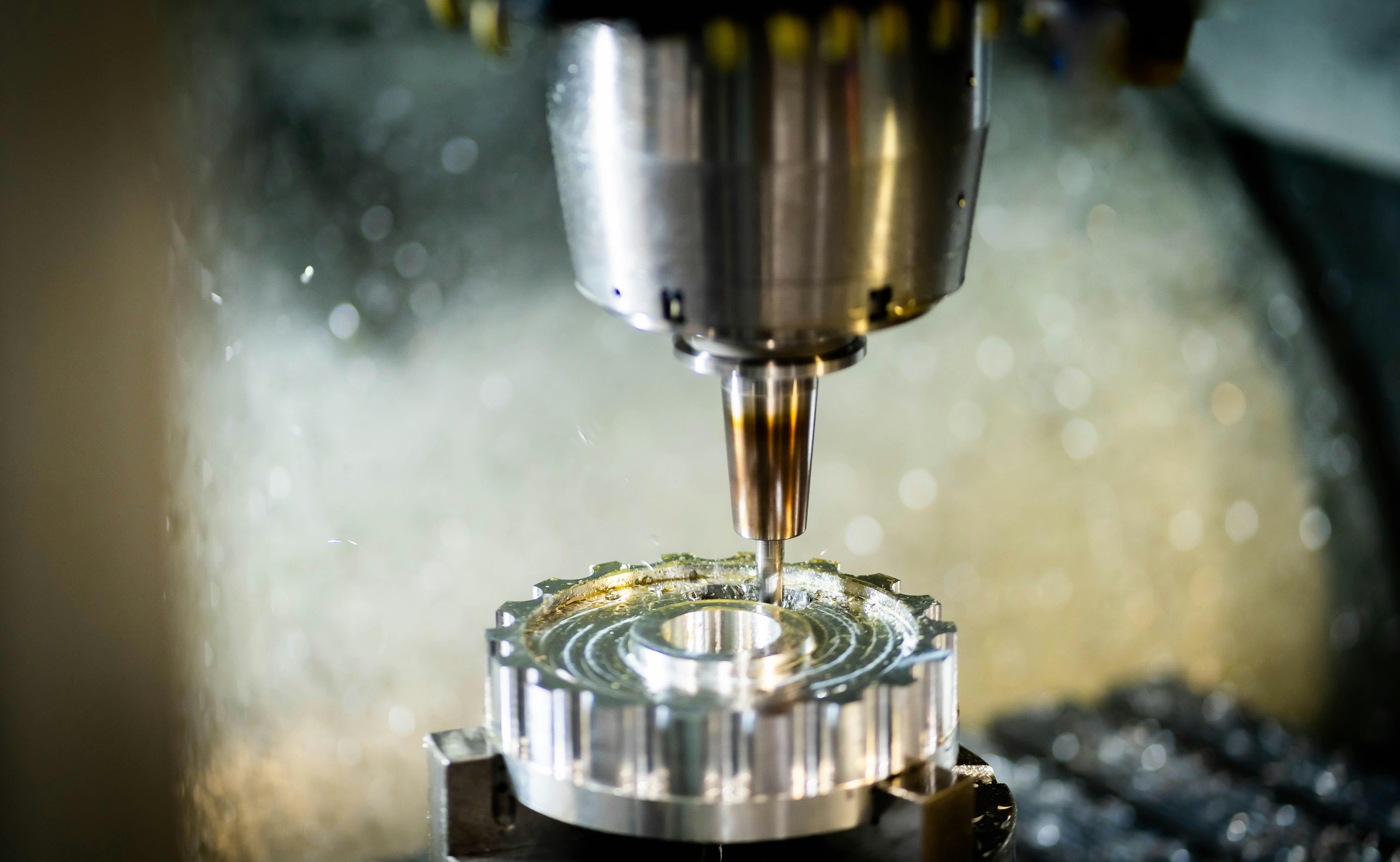
Innovative Milling Technologies: Assessing Efficiency and Quality in Maize Processing
Innovative milling technologies have significantly transformed maize processing, with advancements yielding enhanced efficiency and product quality. Central to this evolution is the transition from traditional stone grinding to modern mechanized approaches such as roller mills,impact mills,and pin mills. Each milling technology operates on distinct mechanisms that influence both throughput and product characteristics:
- Roller Mills: Employ a two- or three-roll system to crush and shear maize kernels, producing finely milled flour with uniform particle size. This method is energy-efficient,allows for precise control over the milling process,and minimizes starch damage,leading to better baking properties.
- impact Mills: Utilize high-speed hammers or blades to shatter maize kernels, resulting in a coarser flour that retains more natural oils and flavors. While they can achieve higher throughput, the products may exhibit increased variability in particle size and higher levels of heat generation.
- Pin Mills: Operate by interlocking stationary and rotating pins that effectively break down the kernels.This technology offers versatility in particle size and is particularly effective for producing grits or meal for specific applications.
When comparing these technologies, several performance metrics are critical in assessing milling efficiency and product quality:
| Milling Technology | Throughput (kg/h) | Energy Consumption (kW) | Typical Particle Size (µm) | Starch Damage (%) |
|---|---|---|---|---|
| Roller Mills | 500-2000 | 5-15 | 100-300 | 5-10 |
| Impact Mills | 1000-3000 | 10-25 | 200-600 | 15-25 |
| Pin Mills | 400-1500 | 5-20 | 50-250 | 10-20 |
Evaluating these specifications reveals inherent trade-offs; for instance, while impact mills may offer higher throughput, the resultant quality may be compromised due to increased starch damage and heat generation. Limitations of each technology also arise from maintenance demands, operational costs, and adaptability to various maize grades, necessitating careful analysis when selecting the appropriate milling solution for specific production goals. Ultimately, a thorough understanding of the aforementioned variables enables stakeholders to optimize maize milling processes effectively.

Material Flow Dynamics: An In-depth look at Equipment Specifications in Maize Milling
In maize milling, the efficiency of material flow is heavily influenced by the specifications of the milling equipment used. Key machinery involved includes cleaners, huskers, grinders, and separators, each playing a pivotal role in integrating the material flow dynamics. Equipment specifications, such as the capacity, power consumption, and operational speed, significantly determine throughput and quality. For example, a hammer mill with a capacity of 500 kg/h might potentially be suitable for smaller operations, but larger facilities might require a roller mill with a capability exceeding 2,000 kg/h to meet demand. Furthermore, the selection of screen size in grinding equipment can greatly affect the particle size distribution of the maize flour, impacting the end product’s quality and customer satisfaction.
When analyzing performance metrics, several criteria must be monitored, including yield efficiency, recovery rates, and energy consumption. The integration of advanced sensors and automation in modern milling equipment can enhance these metrics significantly. As an example, the adoption of a laser monitoring system can provide real-time feedback on maize moisture content, allowing for adaptive processing conditions that optimize milling efficiency. In contrast, limitations may arise from older technologies, which often struggle with consistency in flow rates and result in higher waste percentages. The following table summarises some common performance factors alongside their potential impact:
| Performance Factor | Impact on Milling |
|---|---|
| Capacity | Affects operational throughput, crucial in high-demand scenarios. |
| Energy Consumption | Directly influences operational costs and sustainability goals. |
| Moisture Control | Inadequate management can lead to spoilage and quality degradation. |

Evaluating Performance Metrics: A Technical Framework for Comparative Analysis in Milling Techniques
To effectively evaluate performance metrics for milling techniques, it is indeed crucial to establish a framework that encompasses both quantitative and qualitative parameters. Key performance indicators (KPIs) relevant to maize milling include:
- Throughput Rate: The volume of maize processed per hour,which indicates the efficiency of the milling operation.
- Energy Consumption: Measured in kWh per ton of maize milled, this metric assesses the energy efficiency of different mill types.
- Particle Size distribution: Evaluating the uniformity and size of the milled product impacts the quality of the flour and its suitability for various applications.
- Downtime: Total operational downtime due to maintenance or breakdowns, affecting overall productivity.
- Cost per Ton: Operational costs associated with milling, including labor, maintenance, and utilities, which are pivotal for economic feasibility.
Along with these metrics, the comparative analysis should take into account specific equipment specifications, such as the type of mill employed (e.g., hammer mill, roller mill, or stone mill) and its operational parameters.For example, roller mills typically provide a finer particle size and lower energy consumption compared to hammer mills but may have higher initial capital expenditures. A table comparing typical performance metrics across various milling techniques could provide clarity:
| Mill Type | throughput (ton/hr) | Energy Consumption (kWh/ton) | Average Particle Size (μm) |
|---|---|---|---|
| Hammer Mill | 1.5 | 30 | 300 |
| Roller Mill | 2.5 | 25 | 150 |
| Stone Mill | 1.0 | 35 | 200 |
Furthermore, limitations such as variability in maize quality, moisture content, and seasonal factors must be accounted for, as these can significantly affect milling performance and end-product quality. Addressing these elements offers a comprehensive view that enables stakeholders to make informed decisions while optimizing maize milling operations.

Engineering Optimization: Key Factors Influencing Quality and Yield in Corn processing Methods
In the realm of maize milling, engineering optimization is paramount for enhancing the quality and yield of processed corn. Key factors influencing these outcomes encompass the processing techniques employed, the specifications of equipment used, and the meticulous design of processing systems. For instance, grinding methods such as hammer milling or roller milling each yield distinct particle sizes and shapes, affecting the extraction rates of starch and protein.Additionally,maintaining optimal moisture content (around 14-16% for corn) is crucial to minimize energy consumption and prevent excessive wear on milling machinery. The choice of screening or classification equipment also plays a significant role; selections like vibrating screens or air classifiers can help in achieving desired granulations while maximizing the recovery of flour yields.
Moreover, performance metrics such as throughput, energy efficiency, and particle size distribution must not be overlooked. For optimal milling performance, equipment should adhere to specifications like wear resistance and maintenance schedules, which influence the longevity and operational efficiency of machinery. Comparative analyses of different milling machines reveal varying cost-to-performance ratios; for example, advanced roller mills may incur higher initial costs yet provide superior uniformity in flour quality and yield due to their precise control over grinding forces. Limiting factors also emerge, such as the susceptibility of machinery to thermal degradation during prolonged operation, reminding engineers to consider not just immediate yield but long-term sustainability and operational stability in their process designs. A strategic assessment can be summarized in the table below:
| Factors | Hammer Mill | Roller Mill |
|---|---|---|
| Particle Size Control | Moderate | High |
| Energy Efficiency | Generally Lower | Generally Higher |
| Initial Investment | Lower | Higher |
| Maintenance Requirements | Higher | Moderate |
Final Thoughts
the art and science of maize milling demand a nuanced understanding of various processing techniques, equipment specifications, and performance metrics. As we journeyed through the comparative analysis,it became clear that optimizing milling operations is not merely a matter of choosing one method over another but a complex interplay of factors tailored to specific needs and contexts.
From traditional stone mills to modern roller systems, each technique brings its own set of advantages and challenges, influencing not just the quality of the final product but also the overall efficiency and sustainability of the milling process. by scrutinizing equipment specifications and performance metrics, millers can make informed decisions that enhance productivity while minimizing waste.
Armed with the insights provided in this analysis, stakeholders in the maize milling sector are now better equipped to navigate the intricate landscape of processing options. Whether you are a seasoned miller, a researcher, or an industry newcomer, the evolution of maize milling will continue to unfold, driven by technological advancements and a deeper commitment to optimizing every kernel.The future of maize milling is ripe with potential; may your milling endeavors yield both productivity and innovation.



