
In a world increasingly attuned to the tenets of sustainability and food security, the humble grain of rice is standing at the forefront of a revolutionary conversion. once merely a staple on dinner tables, rice is now the epicenter of innovative processing techniques that promise to redefine how we cultivate, consume, and conserve our natural resources. As pressing global challenges such as climate change, population growth, and dwindling arable land loom larger on the horizon, the rice industry is embracing cutting-edge technologies and practices that not only enhance the resilience of this vital crop but also pave the way for a more sustainable future. This article delves into the fascinating developments within rice processing—exploring how these advancements are not only increasing yields and efficiency but are also fostering a more equitable food system.Join us as we journey beyond the grain, uncovering the innovations that are reshaping our understanding of sustainability and food security in the rice sector.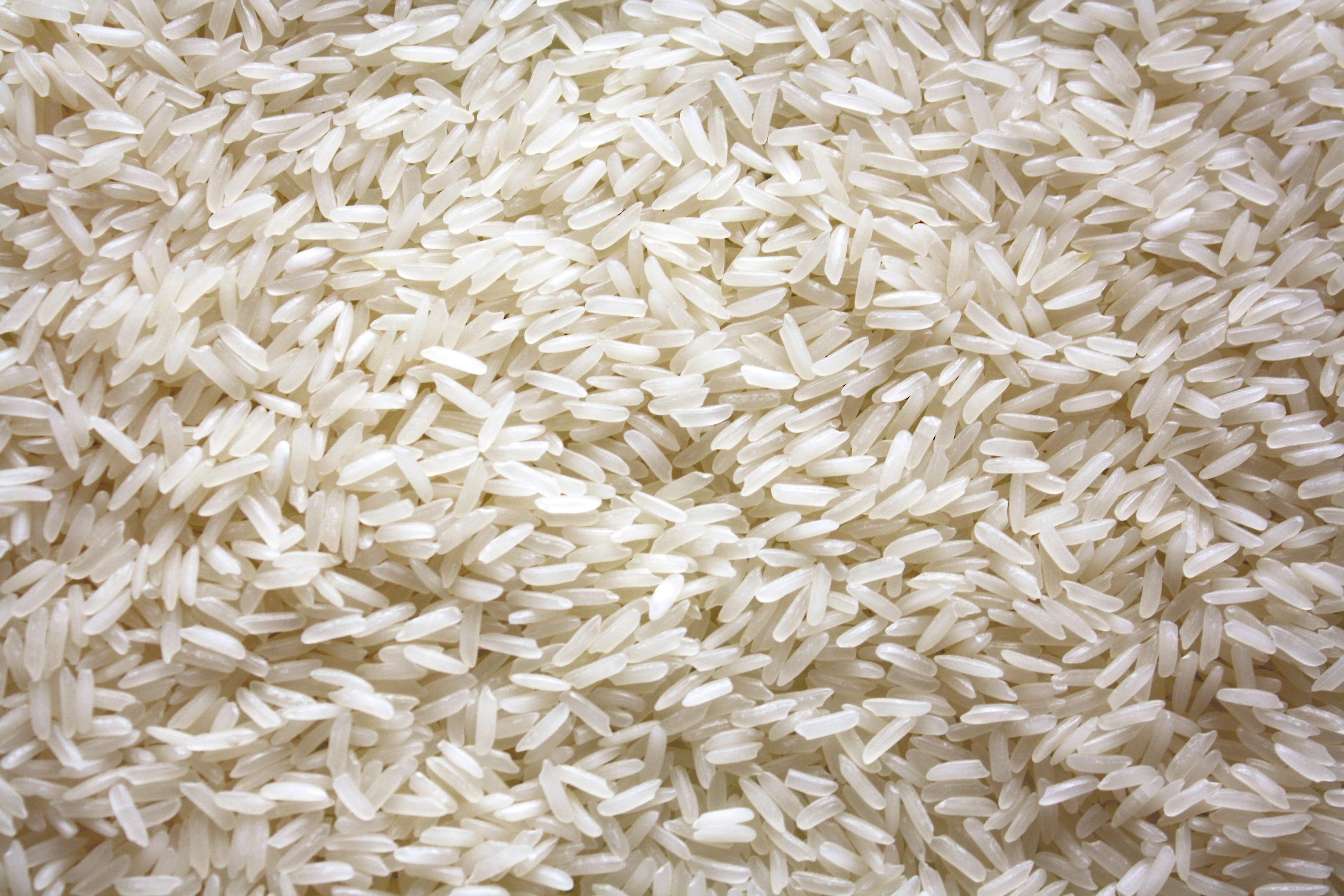
Rethinking Rice: Unveiling the Trade-offs in Sustainable Processing Techniques
As the global demand for rice continues to surge, the methods employed in its processing become critical not just for quality and yield, but also for sustainability. Conventional milling techniques frequently enough lead to significant nutrient loss, with polished rice losing up to 90% of its original vitamins and minerals.While many stakeholders assume that enhancing the milling process is merely a matter of upgrading technology, the truth is more complex. As an example, transitioning to high-efficiency milling (HEM) can reduce waste, but it may increase energy consumption and carbon emissions compared to customary methods. This illustrates the trade-off between immediate efficiency gains and long-term ecological impacts. To navigate this, producers should consider a holistic approach that embraces innovations like parboiling, which preserves more nutrients while lowering post-harvest losses.
Another critical dimension in rethinking rice processing revolves around the integration of waste management strategies. It is often believed that the by-products of rice processing—namely husks,bran,and broken grains—are merely waste,leading to a missed possibility in circular economy frameworks. Instead of discarding these materials, rice processors could pivot towards value-added innovations. For example, utilizing rice husks for bioenergy production or converting rice bran into health supplements not only minimizes waste but opens new revenue streams.nonetheless, producers must also balance these options with the costs of developing new infrastructure and the potential overexploitation of secondary markets.To effectively assess these trade-offs, stakeholders should conduct life cycle assessments (LCAs) that capture environmental impacts across the entire supply chain, ensuring that sustainability is not an afterthought but a basic aspect of processing innovation.

the Dark Side of Digital Rice: Is Innovation Overpromising food Security?
The rapid advancement of digital rice innovation,while transformative,comes with significant challenges that warrant critical examination.As an example, the reliance on technology-driven solutions can lead to neglecting traditional agricultural practices, which frequently enough embody deep ecological knowledge and community resilience. As farmers are encouraged to adopt high-tech solutions for yield maximization, we must question whether such frameworks genuinely enhance food security or merely perpetuate systemic dependencies on expensive inputs, leaving vulnerable populations at risk. Key concerns include:
- Equity of access: Smallholder farmers might not have the resources or technical know-how to implement advanced technologies, potentially widening the gap between affluent and impoverished agricultural stakeholders.
- Short-term focus: Many innovations prioritize immediate yield outputs without considering long-term soil health, biodiversity, or climate resilience.
- Market fluctuations: Increased production through digital rice could lead to oversupply, plummeting market prices and destabilizing income for growers.
Trade-offs in this innovative landscape necessitate nuanced recommendations. For a truly sustainable food security framework, stakeholders must prioritize integrative approaches that harmonize traditional practices with innovation. Policymakers and NGOs could invest in training programs that enhance digital literacy while preserving indigenous agricultural wisdom. Additionally, fostering collaborative networks can facilitate shared access to resources and knowledge, ensuring that innovations in rice processing contribute not just to higher quantity but to enhanced quality of life for all involved. To genuinely redefine food security, it is crucial to retain a balanced dialogue about technology’s role, avoiding the trap of overpromising transformative outcomes without rigorous accountability measures.
From Farm to Fork: Dissecting the Environmental Impact of Cutting-Edge Grain Technologies
The environmental impact of cutting-edge grain technologies extends beyond agricultural techniques, reaching into the intricate processes of processing, distribution, and ultimately, consumption. A common assumption is that technological advancements,such as precision fermentation or bioengineering,unequivocally lead to sustainability.However, it’s crucial to dissect this notion through a nuanced lens. As a notable example, while drones and IoT devices optimize resource use, their production and maintenance can result in significant carbon footprints. The balance hinges on evaluating the lifecycle impact of these technologies against traditional methods.
- Water Usage: innovations like drought-resistant rice cultivars can reduce water consumption by up to 30%, yet they may require specific soil types or additional fertilizers that can degrade soil health long-term.
- Energy Consumption: Advanced processing techniques,while improving yield efficiency,often consume more energy and generate waste. The trade-off requires careful assessment of renewable energy integration to mitigate this impact.
- Local vs. Global Impact: The global supply chains that support new grain technologies often distance production from local markets, which can lead to degradation of local economies and cultures.
To navigate these challenges effectively, stakeholders must prioritize transparency and holistic assessments.Implementing a sustainability scorecard could enable producers and consumers to make informed decisions based on comprehensive metrics, such as carbon emissions, water usage, and biodiversity impacts across the entire grain production chain. Furthermore, fostering collaboration among farmers, tech developers, and conservationists could lead to more regenerative practices that not only harness innovation but actively combat ecological degradation. By framing the conversation around these multifaceted trade-offs, we can move towards a more equitable and sustainable food system.
Beyond Nutrition: The Socioeconomic Implications of Rice Processing Innovations
The innovations in rice processing extend far beyond the immediate benefits of enhanced nutrition. They also play a crucial role in reshaping the socioeconomic landscape of rice-producing regions. As a notable example, by adopting advanced milling technologies and eco-friendly processing methods, smallholder farmers can significantly reduce post-harvest losses, which frequently enough account for up to 30% of their yield. This not only enhances food security but also improves livelihoods by increasing incomes through better quality products that fetch premium prices in local and export markets. However, this transition is not without trade-offs. Adopting newer technologies necessitates upfront investment, which can be a barrier for many farmers, particularly in developing economies where access to credit and technical support remains limited.
Moreover, the impact of innovations in rice processing is deeply intertwined with broader societal issues, including labor dynamics, gender roles, and environmental sustainability. For example, mechanization may reduce the need for manual labor, potentially exacerbating unemployment in agrarian communities. This can disproportionately affect women, who are often the primary laborers in rice processing. Therefore, it is essential to implement educational and retraining programs alongside technological advancements. such initiatives should also emphasize the development of value-added rice products, creating new market opportunities. The challenge lies in striking a balance between technological adoption and the preservation of traditional practices, ensuring that innovation does not come at the cost of disenfranchising vulnerable populations. A nuanced approach that considers these factors can drive sustainable socioeconomic growth while promoting food security.
Key Takeaways
As we stand at the crossroads of innovation and tradition, the journey of rice processing evolves into a remarkable narrative of sustainability and resilience. “Beyond the Grain” invites us to rethink not only our approach to this staple crop but also the future of food security in an ever-changing world. with cutting-edge techniques and a commitment to environmental stewardship, we are witnessing a transformation that transcends mere production—it shapes communities, supports livelihoods, and nurtures our planet.
As we look ahead, the lessons learned from these advancements remind us that the path to a sustainable future lies in our ability to adapt and innovate. The rice industry is not just about feeding the billions; it’s also about cultivating a responsible relationship with our earth and its resources. Every grain processed with care is a step toward a more secure tomorrow, where the bounty of our lands can nourish generations to come.
In this era of heightened global challenges, let us embrace the creative solutions showcased in this exploration. Together,we can sow the seeds of change today for a harvest of hope and abundance tomorrow.



