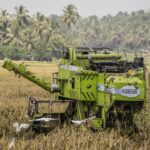
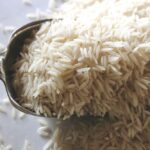
In an era where innovation meets necessity, the agriculture sector stands on the brink of a change that promises to redefine how we cultivate and process our staple crops. Among the myriad advancements emerging in this field, the combined rice mill machine is gaining important attention for its potential to streamline rice production and improve efficiency. This remarkable piece of machinery seamlessly integrates the processes of hulling and milling into one cohesive unit, offering farmers an unprecedented chance to enhance productivity while reducing labor costs. As the global demand for rice continues to soar, the combined rice mill machine not only addresses the challenges of modern agriculture but also paves the way for sustainable practices that can improve food security and elevate the livelihoods of farmers around the world.In this article, we delve into the intricacies of this innovative technology, exploring its benefits, mechanics, and the vital role it plays in revolutionizing the agricultural landscape.
Transforming Rice Production through technological Innovation
In the heart of agricultural innovation, the advent of advanced machinery has ushered in a new era for rice production. The combined rice mill machine stands out as a transformative force, streamlining the process from paddy to polished grain. This efficient equipment integrates multiple functions, effectively reducing labor costs and maximizing productivity. Key features of this revolutionary technology include:
- Automated milling processes: Ensuring uniform quality and minimal human error.
- Energy-efficient designs: Lowering environmental impact while optimizing resource use.
- Multi-functional capabilities: Performing cleaning, dehusking, milling, and grading—all in a single machine.
This innovation not only enhances the efficiency of rice production but also promotes sustainability within farming practices. By significantly shortening the supply chain, farmers can enjoy fresher produce, leading to higher consumer satisfaction. Additionally, the machine’s compact design provides space-saving solutions for small-scale farmers, enabling accessibility for various agricultural settings. The accompanying technology fosters farmers’ engagement with digital platforms, providing essential data for better decision-making. Consider the potential benefits:
| Benefits | Impact |
|---|---|
| Daily Output Increase | Up to 50% |
| Water usage Reduction | 30% less |
| Labor Requirement Cut | By 40% |

Enhancing Efficiency and Sustainability with Combined Rice Mill Machines
The integration of combined rice mill machines into agricultural practices is heralding a new era of efficiency and sustainability. These advanced machines streamline the entire rice processing workflow, reducing the time and labor typically required. Farmers can benefit from the automated features that encompass several crucial operations, including husking, polishing, and grading, all within a single setup. Such all-in-one solutions not only minimize the need for multiple machines but also lead to significant savings on energy and maintenance costs.
moreover, adopting these technologies significantly contributes to sustainable farming practices. With reduced energy consumption and minimized carbon emissions, combined rice mill machines play a vital role in promoting eco-amiable agriculture. They also allow for better utilization of by-products, which can be converted into sustainable alternatives like biofuel or animal feed. The advantages include:
- Minimized Waste: Effective resource usage leads to less by-product waste.
- Lower Environmental Impact: Reduced emissions support eco-friendly farming.
- Cost-Effective Processing: Saving on energy and labor delights the budget-conscious farmer.
Navigating Challenges in Modern Agriculture: Solutions Offered by Comprehensive Milling
As farmers face an ever-evolving landscape of challenges in modern agriculture, solutions emerge that address these pressing issues effectively.Comprehensive milling systems present a transformative approach to traditional farming methods. These integrated machines streamline the milling process,reducing labor costs and increasing efficiency. With features that allow for multistage processing, they ensure optimal output while maintaining the nutritional quality of the rice. Additionally, by minimizing waste and promoting resource sustainability, these machines contribute to a more eco-friendly agricultural practice.
The adaptability of comprehensive milling machines is noteworthy; they cater to diverse scales of operation—from smallholder farms to large commercial enterprises. This adaptability enables farmers to tailor operations according to their specific needs, ensuring that productivity remains high regardless of the challenges faced. Key benefits include:
- Enhanced productivity: Significantly faster processing times that double output efficiency.
- Cost-effectiveness: Reduced energy consumption and lower operational costs over time.
- Quality assurance: Advanced technology that preserves the integrity of the rice during milling.
To further illustrate the impact of comprehensive milling on agricultural challenges, consider the following comparative advantages:
| Traditional Milling | Comprehensive Milling |
|---|---|
| Labor-intensive operations | Automated processes |
| High energy consumption | Optimized energy efficiency |
| Inconsistent quality | Uniform quality assurance |
This side-by-side comparison highlights how embracing innovative milling technology can alleviate operational obstacles while simultaneously enhancing productivity and sustainability in modern agriculture.
Future Prospects: the Role of combined Rice Mill Machines in Global Food Security
The adoption of combined rice mill machines is set to transform global agriculture, particularly in regions that are heavily reliant on rice as a staple food. By integrating several processing stages into a single unit, these machines not only maximize efficiency but also significantly reduce production costs. This streamlined processing is essential for meeting the increasing demand for rice due to a growing population and changing dietary preferences worldwide.Key benefits include:
- Improved grain quality through consistent milling techniques.
- Reduced energy consumption by consolidating multiple processes.
- Enhanced operational flexibility, allowing farmers to respond promptly to market needs.
Moreover,combined rice mill machines play a crucial role in fortifying food security. As these machines are more accessible to smallholder farmers, they empower local communities by reducing dependency on centralized processing facilities. This shift fosters sustainability, as it promotes local economies and reduces transportation costs. By ensuring a reliable supply of high-quality rice, we can mitigate the effects of food scarcity, thus paving the way for improved nutrition and economic stability worldwide. Consider the following potential impacts:
| Impact Area | Description |
|---|---|
| Local Economy | Boosts farmer income through reduced processing costs. |
| Food Security | Increases availability of quality rice at local markets. |
| Sustainability | Encourages eco-friendly practices by minimizing waste. |
The Way Forward
As we stand on the cusp of a new era in agricultural innovation,the combined rice mill machine emerges not just as a tool but as a beacon of possibility. By streamlining processes and enhancing efficiency, this technology opens the door to a more sustainable and profitable future for rice farmers around the globe.As we explore the intricate balance between tradition and modernization, it is clear that embracing such advancements will be vital in addressing the challenges faced by our agricultural systems.
With every grain that passes through these machines,we witness a transformation that goes beyond mere production; it’s a revolution in how we approach food security,environmental stewardship,and economic resilience. The combined rice mill machine is more than machinery; it symbolizes our commitment to innovation, adaptation, and the relentless pursuit of progress in the face of evolving global demands.
As we look forward, let us cultivate not only our fields but also our understanding of how technology can harmonize with tradition, ensuring that agriculture continues to thrive for generations to come. In this blend of old and new, we find the promise of a bountiful harvest, one that nourishes not just our bodies but also our aspirations for a sustainable world.