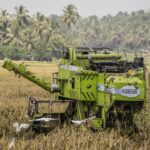
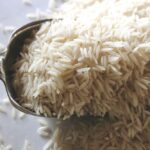
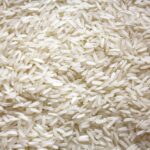
In teh heart of every bustling community, were the aroma of culinary delights wafts through the air, lies an frequently enough-overlooked hero: the rice milling unit.This intricate facility serves as a bridge between the verdant fields of swaying golden grains and the steaming bowls of fragrant rice that grace our tables. But what processes unfold within these walls? How does a humble grain transform into the fluffy staple that sustains millions around the globe? In this exploration, we unravel the journey of rice from its harvest to its final polished form, illuminating the craftsmanship, technology, and dedication that define the rice milling industry. Join us as we take a closer look at the transformative steps that turn raw grains into the essential ingredient celebrated in kitchens worldwide.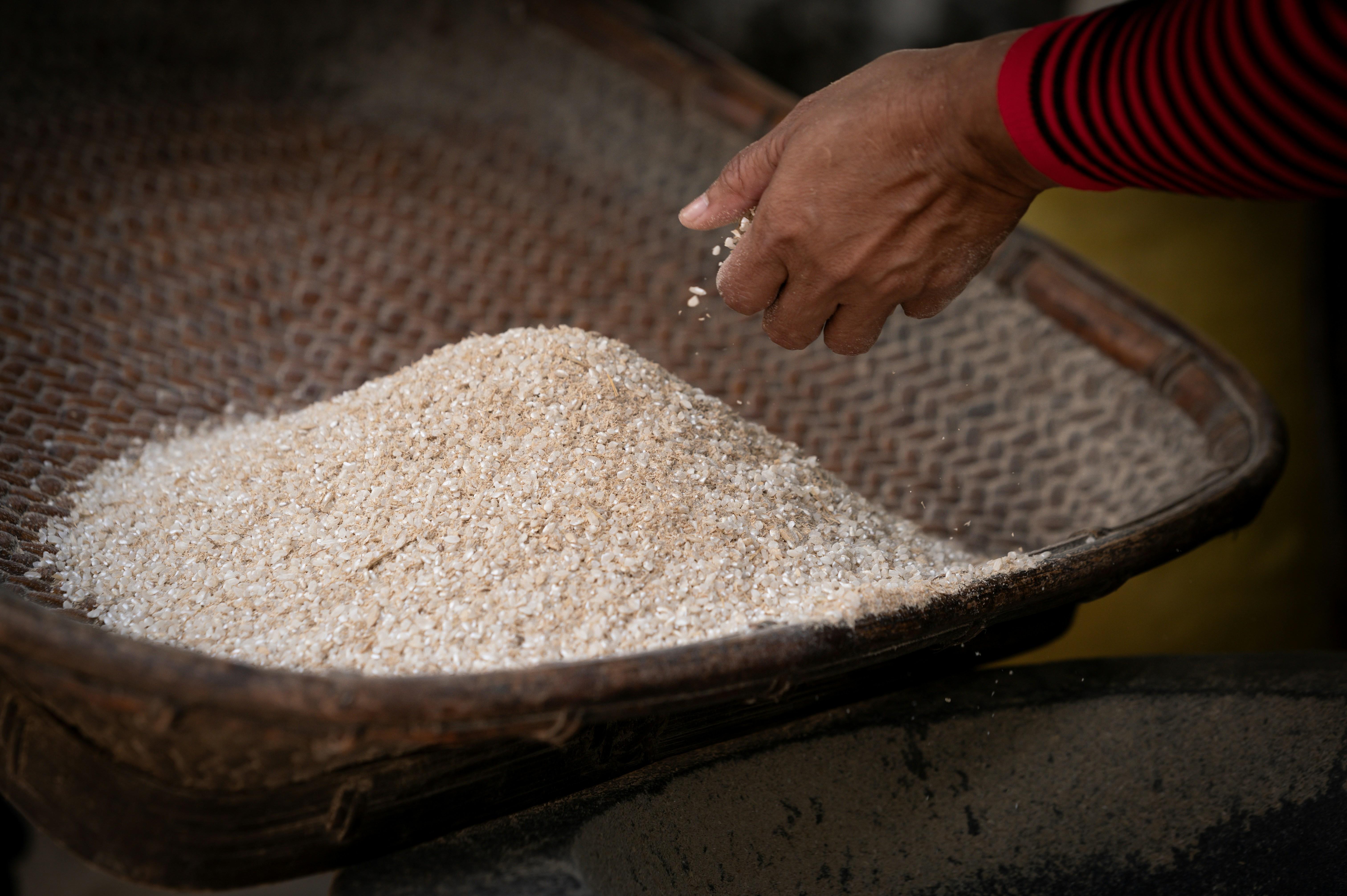
Understanding the Rice Milling Process from Field to Fork
From the verdant fields to your dinner plate, the journey of rice is a captivating change that is meticulously achieved through the rice milling process. It begins with the harvesting of paddy, where fresh rice is collected and transported to the milling unit. Upon arrival, the grains undergo a series of preliminary steps such as drying to reduce moisture content, cleaning to remove impurities, and soaking to facilitate further processing. This stage is crucial as it sets the foundation for the quality of the final product. At the milling facility, the rice is subjected to various operations performed by elegant machines designed to separate the husk, polish the grains, and enhance their appeal. Here are the key phases of this process:
- Husking: Removal of the outer husk to yield brown rice.
- Milling: The outer bran layer is polished off during this process, which results in white rice.
- Grading: Sorting the rice based on size and quality, often leading to the classification of different rice types.
- Packaging: the final step where rice is packed for distribution, ensuring it reaches consumers in optimal condition.
Understanding the rice milling operation reveals the balance between technology and tradition. Sophisticated machinery, like the paddy separator, utilizes air and mechanical methods to isolate grains based on density, ensuring that each grain meets high quality standards before reaching consumers. The polishing machines then enhance the aesthetic appeal and shelf life of the rice. To illustrate the milling functions and their outcomes, consider the following table:
| Process | Description | Outcome |
|---|---|---|
| Husking | Removal of husk from paddy | Brown rice |
| Milling | Polishing brown rice to remove bran | White rice |
| Sorting | Separation based on size and quality | Quality-grade rice |
| Packaging | Preparing rice for market | Ready-to-sell products |
Key Equipment and Technology Behind Efficient Rice Milling
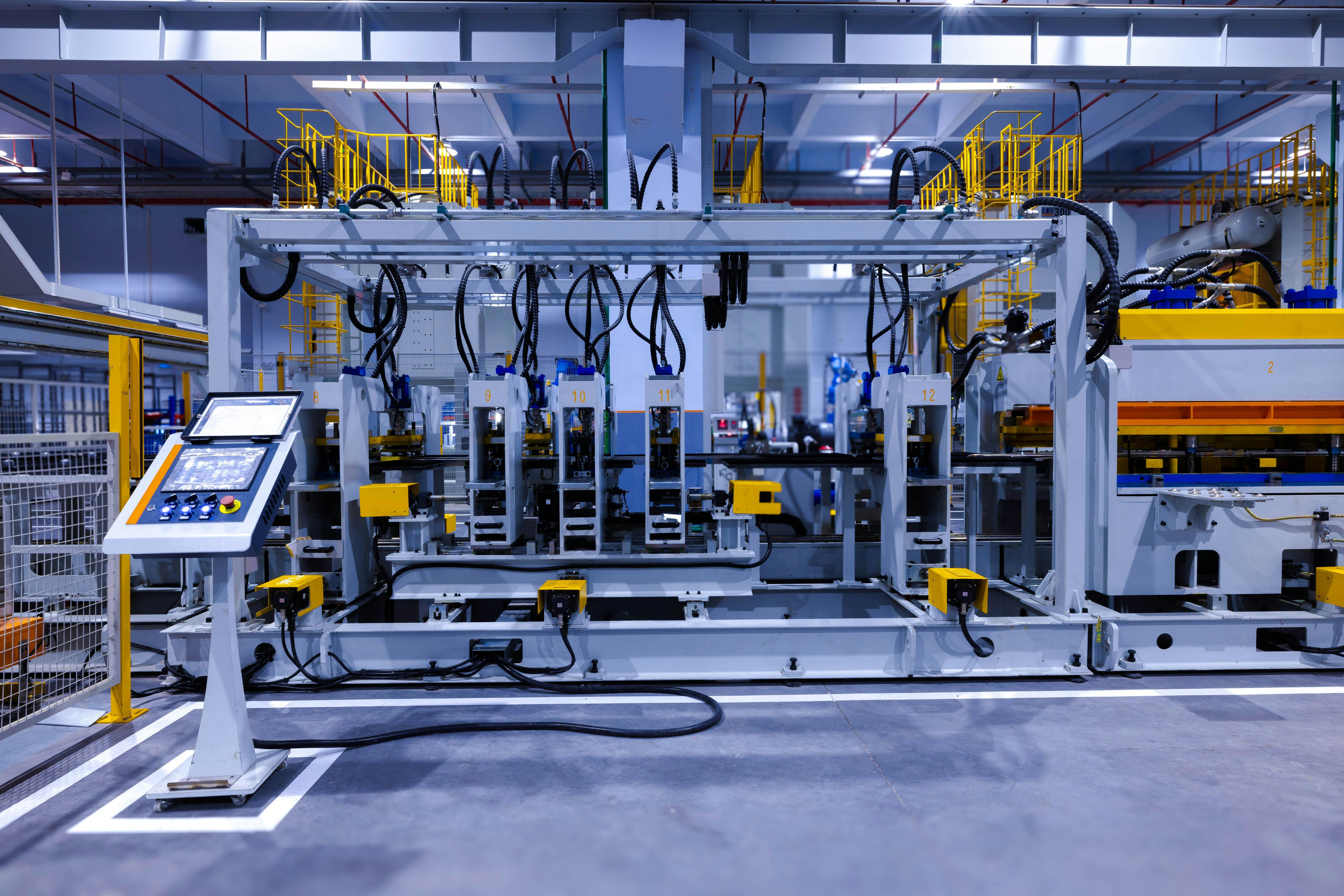
The transformation of paddy into polished rice hinges on advanced machinery designed to enhance productivity while preserving grain quality. At the core of efficient rice milling is the husker, a vital piece of equipment that removes the outer husk from the paddy. Following this, whitener machines take center stage, meticulously polishing the grains without compromising their nutritional value. othre key components include separator systems that effectively isolate broken grains from whole ones and advanced elevators and conveyors that facilitate the seamless flow of rice through various stages of processing.
Key technology innovations also play a crucial role in ensuring a consistent end product. Among these,infrared sensors and moisture analyzers provide real-time data to adjust milling parameters,significantly increasing efficiency and quality control. Additionally,automated control systems enable mill operators to monitor the entire process remotely,enhancing productivity while minimizing waste. The integration of these technologies not only streamlines the milling process but also contributes to sustainable practices by reducing energy consumption and optimizing resource usage.
| Equipment | Function |
|---|---|
| Husker | Removes the husk from paddy grains |
| Whitener | Polishes the rice, enhancing appearance |
| Separator | Isolates broken from whole grains |
| Elevator/conveyor | Facilitates movement between processes |
Quality Control Measures That Ensure Perfectly Milled Rice
in the meticulous process of milling rice, various quality control measures play a pivotal role in ensuring the grains are processed to perfection. These measures begin with the careful selection of paddy based on distinct parameters such as moisture content,grain variety,and foreign matter presence. Through visual inspections and advanced machinery, these factors are assessed to guarantee that only the finest quality paddy enters the milling phase.Once the milling process commences, numerous laboratory tests are conducted to monitor the consistency of kernel integrity, whiteness, and broken rice percentage, establishing a standard of excellence.
Furthermore, a state-of-the-art milling unit employs real-time monitoring systems that track performance metrics throughout each stage of processing. This includes maintaining optimal temperature and speed settings to reduce damage to the grains. Additionally, a robust feedback loop allows for quick adjustments based on observed underperformance, further enhancing the end product. The table below outlines some of the key parameters frequently evaluated to uphold quality assurance in rice milling:
| Parameter | Measurement Method | Target Value |
|---|---|---|
| Moisture Content | Moisture Meter | 14% or lower |
| Kernel Integrity | Visual Inspection | 95% whole grains |
| Whiteness Degree | whiteness Meter | Higher than 70% |
| Broken Rice Percentage | Sorting Test | 5% or less |
Sustainable Practices in Rice Milling for a Greener Future
In the quest for greener practices, modern rice milling units are increasingly adopting sustainable technologies that minimize environmental impact. By integrating energy-efficient machinery and optimizing processing techniques, these facilities are not only improving yield but also reducing their carbon footprint. Key initiatives include:
- Waste management: Implementing systems to recycle by-products such as husk and bran can significantly reduce waste, creating opportunities for alternative uses such as biofuel or animal feed.
- Water Conservation: Adopting water-saving technologies, such as closed-circuit systems, limits water usage and maintains essential resource quality.
- Renewable Energy utilization: Harnessing solar or biomass energy to power operations not only decreases reliance on fossil fuels but also promotes a circular economy.
Moreover,the integration of precision farming techniques contributes to sustainability by ensuring that rice is grown with the correct inputs,ultimately leading to less excess and waste at the milling stage.Continuous training of mill operators in eco-pleasant practices ensures both efficiency and awareness. Rice milling units are encouraged to monitor their environmental impact through:
| Indicator | Best practices |
|---|---|
| Energy Consumption | Use of energy-efficient machines and renewable sources. |
| Water Usage | Implementing closed-loop systems and rainwater harvesting. |
| Waste Management | Recycling by-products and reducing landfill waste. |
Through these innovations, rice milling operations can contribute significantly to a sustainable future, ensuring food security while protecting the surroundings for generations to come.
Insights and conclusions
As we conclude our exploration of the rice milling unit, we hope to have illuminated the intricate journey that grains undertake from paddy fields to our dinner plates. The process, often overlooked, is a remarkable blend of tradition and technology, where each step—from harvesting to polishing—plays a pivotal role in ensuring the quality and flavor of the rice we consume.
The rice milling unit stands as a testament to human ingenuity and the quest for efficiency, transforming raw grains into the staple that sustains millions worldwide. As we appreciate the culinary value of rice in our meals, let us also acknowledge the behind-the-scenes efforts that make it possible. Understanding this journey not only enriches our appreciation of this essential grain but also connects us to the farmers and processors who dedicate their lives to nourishing us.
Next time you savor a bowl of rice, remember that it carries with it the stories of those who grow, harvest, and mill it—a journey intertwined with culture, history, and the relentless pursuit of quality. As we continue to explore the many facets of our food systems, let us remain curious and engaged, honoring the pathways that bring nourishment to our tables.