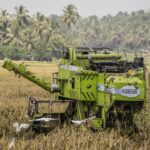
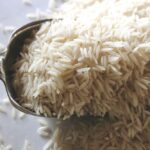
In the heart of agricultural landscapes, where golden fields sway gently under the sun’s embrace, lies a journey of conversion that is both intricate and essential. The humble grain, born from nurtured paddy, holds the promise of sustenance, culture, and innovation. Yet, before it graces our tables as rice, it traverses a meticulously orchestrated pathway within the walls of a paddy processing plant. From the moment the harvested paddy enters the facility, a remarkable metamorphosis begins—one that involves careful sorting, hulling, and polishing, each step crucial in unveiling the grain’s potential. In this article, we venture inside the world of paddy processing, shedding light on the technologies, techniques, and the dedicated hands that breathe life into the grain, transforming it into a staple that transcends borders and nourishes communities worldwide. Join us as we explore the delicate dance between nature and industry,witnessing the processes that elevate a simple seed into a cornerstone of culinary traditions across the globe.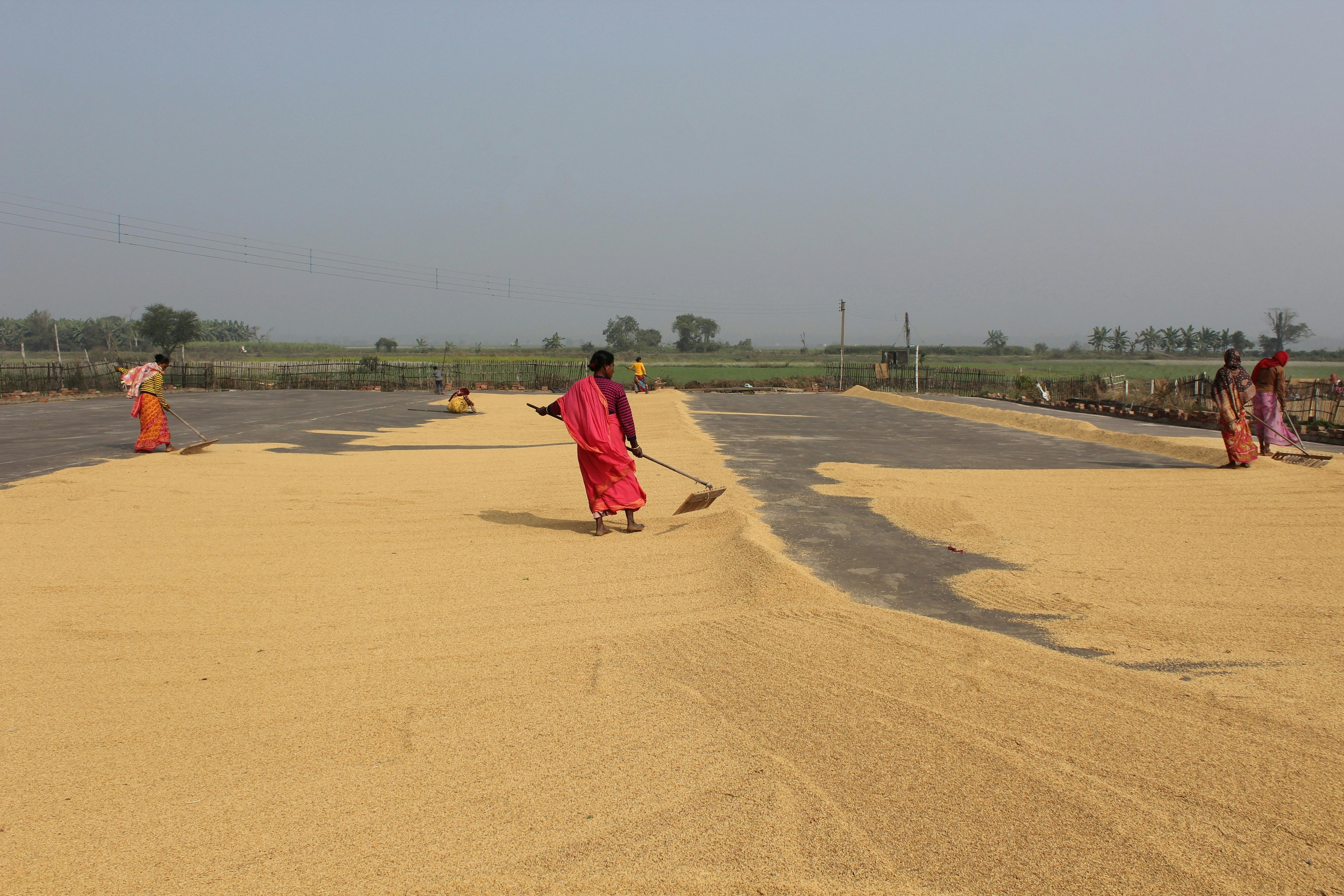
Understanding the Paddy Processing Cycle from Field to fork
The journey of paddy from a lush green field to the end consumer’s table is a meticulous process that emphasizes both tradition and technology. Once harvested,paddy undergoes several stages to ensure quality and edibility. Initially, the grains are subjected to a process called wetting, where they are soaked to enhance their moisture content. This critical step prepares the paddy for hulling, which removes the husk surrounding the rice grain. Following hulling, the grains are separated through a technique known as threshing, which uses mechanical devices to extract the rice from its stalk.These operations are vital as they enhance the grain’s subsequent quality and remove impurities that may have accumulated during cultivation.
After preliminary processing, the paddy advances to the milling stage, where the aim is to expose the white rice beneath the bran layer. This phase includes polishing and grading the rice, often using elegant machinery that ensures uniformity in size and color. The final step in this transformative journey is packaging, where the rice is carefully enclosed in bags that protect it from environmental factors and mitigate spoilage. As rice reaches the shelves of grocery stores or families’ kitchens, it is indeed essential to remember the continuous effort and extensive processes that ensure this staple food remains both nutritious and accessible.
| Stage | Description |
|---|---|
| Harvesting | Collection of mature paddy from fields. |
| Wetting | Soaking grains to enhance moisture. |
| hulling | Removal of the outer husk. |
| milling | Processing to achieve white rice. |
| Packaging | Sealing rice for distribution and storage. |

Innovative Techniques for Enhancing Grain Quality and Yield
Sustainable Practices in Paddy Processing: Benefits and Implementation
Implementing sustainable practices in paddy processing not only enhances the efficiency of operations but also contributes significantly to environmental conservation and community welfare. By adopting methods such as water recycling, plants can drastically reduce their water consumption, an essential factor given the high water intensity of paddy cultivation. Additionally, integrating renewable energy sources, such as solar panels and biogas digesters, allows facilities to minimize reliance on fossil fuels, leading to a decrease in greenhouse gas emissions. The utilization of by-products,like rice husks and straw,for energy production or as organic fertilizers is a critical step in creating a closed-loop system that maximizes resources while minimizing waste.
Effective implementation of these sustainable approaches requires collaboration across various sectors. Key strategies include:
- Training Programs: Equipping workers with the knowledge about sustainable methods ensures everyone is on board.
- Incentive Structures: Financial incentives for adopting innovative practices can motivate stakeholders at all levels.
- Partnerships: Collaborating with environmental organizations and local communities fosters innovation and shared goals.
These initiatives not only lead to economic benefits, including potential cost savings and improved market access due to eco-friendly certifications, but they also cultivate a sense of responsibility towards the environment while promoting a more resilient agricultural framework.
Future Trends in Grain Processing Technology and Market Adaptation
As the grain processing landscape evolves, the incorporation of advanced technologies is set to redefine operational efficiencies and product quality. Innovations in automation and AI-driven analytics are becoming integral for paddy processing plants. These technologies not only streamline workflows but also enhance precision in sorting and milling operations. For instance, implementing smart sensors can ensure real-time monitoring of grain quality, allowing for immediate adjustments to processing parameters. This adaptation is crucial for meeting the rising demands for high-quality grain products and can significantly reduce waste.
Additionally, market adaptation is leading to a shift towards sustainable practices within the grain processing sector. Given the increasing focus on environmental impact,processing plants are exploring renewable energy sources and adopting technologies that minimize water usage and carbon emissions. This evolution includes the utilization of bioenergy from by-products and investment in efficient waste management systems. By focusing on these sustainable methods, grain processors can enhance their market appeal and comply with emerging regulations while maintaining profitability.
| Technology | Benefits |
|---|---|
| AI-Driven Analytics | Optimizes processing efficiency, reduces downtime |
| Smart Sensors | Ensures quality control, facilitates real-time adjustments |
| Sustainable Practices | Mitigates environmental impact, improves market appeal |
| Renewable Energy | reduces operational costs, aligns with eco-friendly initiatives |
In Summary
As the sun sets over the bustling paddy processing plant, the rhythmic hum of machinery continues to resonate—a testament to the intricate dance of grain transformation that unfolds within these walls. The journey from field to table is far more than a mere transition; it is a complex narrative of agricultural dedication, technological innovation, and meticulous craftsmanship.with each grain that undergoes its metamorphosis, stories of farmers’ toil, sustainable practices, and the promise of nourishment are woven together, linking us to the very essence of food production.
In this exploration of paddy processing, we have witnessed not just the physical changes that grains undergo, but also the underlying commitment to quality and sustainability that drives the industry forward. As consumers, we are invited to appreciate the art and science of grain processing, understanding that each bowl of rice reflects a careful journey shaped by both tradition and modern ingenuity.
As we take our leave from the heart of grain transformation, let us carry with us a newfound respect for this vital process. The next time we sit down to enjoy a meal, may we remember the paddy processing plant’s enduring promise, linking farms to our tables, and nurturing a deeper connection to the food we cherish.