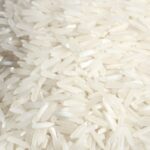
Inside the Paddy Processing Factory: From Grain to Goodness
In the heart of bustling agricultural lands,where verdant fields sway gently in the breeze,a transformative journey unfolds—one that takes humble paddy and elevates it to the staple that nourishes millions. Welcome to the paddy processing factory,a world where technology and tradition intertwine,creating harmony between the past and the present. Here, the golden grains are not merely raw materials but seeds of sustenance, embarking on a meticulously choreographed voyage from field to fork. As we step inside this dynamic hub of innovation and craftsmanship, we will uncover the intricate processes that turn harvested paddy into polished rice, exploring the engaging interplay of machinery, skilled hands, and time-honored techniques. Join us on this enlightening expedition, where every grain tells a story of dedication, excellence, and the pursuit of goodness.

The Journey of Paddy: Understanding the Processing Stages
The journey of paddy from its raw state to a polished grain is a meticulous process, requiring a blend of ancient techniques and modern technology.Initially harvested, the paddy is transported to the processing factory where it undergoes a series of essential stages. Cleaning begins promptly,where impurities such as stones,husks,and dirt are meticulously removed,ensuring only the purest grains proceed to the next level. Following this, the paddy is hulled, a process in which the outer husk is removed. This transformation starts to reveal the white rice within, marking the first important metamorphosis in the journey to becoming a staple food for millions.
In the subsequent stages, the hulled rice undergoes milling and polishing. Milling involves grinding the rice to remove the bran layer, while polishing enhances its sheen and enhances its market appeal.After milling, the rice is graded based on quality, size, and shape, ultimately ensuring that consumers receive a product that meets their expectations. the processed rice is packaged, ready to be shipped to stores and kitchens globally. Each step,from cleaning to packaging,plays a vital role in transforming simple paddy into a versatile ingredient celebrated around the world.
| Processing Stage | Description |
|---|---|
| Cleaning | Removing impurities like stones and dirt to ensure purity. |
| Hulling | Removing the outer husk,revealing the rice grain. |
| Milling | Grinding to eliminate bran, transforming into white rice. |
| Polishing | Enhancing the grain’s appearance and quality. |
| Grading | Categorizing rice based on quality, size, and shape. |
| Packaging | Ready for distribution to consumers and markets. |

From Basic Grain to Culinary Delight: Exploring Quality Control Measures
In the vibrant setting of a paddy processing factory, the journey from basic grain to culinary delight is a meticulous endeavor that hinges on stringent quality control measures. At every stage of processing, checks and balances are put in place to ensure that the rice produced is not just palatable but also retains its nutritional value. To achieve this, several key parameters are assessed:
- Moisture Content: Maintaining the right moisture level is crucial to prevent spoilage and maintain flavor.
- Grain Size and Shape: Uniformity in size and shape is essential for cooking consistency,influencing both texture and taste.
- Impurity removal: The extraction of husks, stones, and other impurities is performed using advanced machinery to guarantee product purity.
- Aroma and Taste Testing: Expert testers engage in sensory evaluations to ensure that the end product meets culinary standards.
to illustrate these control measures further, the following table summarizes the critical checkpoints and their significance:
| Checkpoints | Purpose |
|---|---|
| Moisture Control | Prevents spoilage and enhances shelf life |
| Size Sorting | Ensures consistency in cooking and presentation |
| Visual Inspection | Detects broken grains and impurities |
| Sensory Evaluation | Assures taste and aroma meet consumer expectations |
Through a blend of customary knowledge and cutting-edge technology, these quality control measures culminate in not just meeting standards but also delighting palates. Each grain that emerges from the factory is a testament to the passion and precision embedded in its journey, transforming simple rice into a foundational element of various cuisines worldwide.
Innovations in Paddy processing: Technology Enhancements and Sustainability
In the world of paddy processing,innovations are reshaping how rice transforms from a simple grain into a treasured staple. Advanced technologies have revolutionized the milling process, considerably improving efficiency and product quality. automated sorting and grading systems utilize machine learning algorithms to analyze grain quality, ensuring only the best grains make it through the final stages. additionally, modern dehusking techniques, such as pneumatic and frictional methods, have minimized breakage and waste, resulting in higher yields. This not only preserves the integrity of the rice but also boosts profitability for farmers.
Sustainability is now at the forefront of paddy processing innovations, with eco-kind practices emerging as a crucial consideration. The implementation of renewable energy sources, such as solar-powered drying systems, has reduced dependency on fossil fuels while advancing energy efficiency. Moreover, innovative waste management solutions, such as converting rice husks and by-products into biofuel, have addressed the environmental impact of processing plants. These sustainable measures contribute to a circular economy, fostering a resilient agricultural landscape that meets both consumer demand and ecological obligation.
best Practices for Paddy Preservation: Ensuring Freshness and Flavor
To maintain the freshness and flavor of paddy during storage, several best practices are essential. First and foremost, it’s crucial to keep the grains in a cool, dry environment to prevent moisture absorption, which can lead to mold growth and spoilage. Temperature control plays a significant role, and it is recommended to store paddy at an optimal temperature between 20°C to 25°C (68°F – 77°F). Additionally, using air-tight containers can significantly deter pests and maintain the quality of the grains. Regular checks for signs of deterioration, such as unusual smells or discoloration, can help catch potential problems early.
Another key practice is proper milling and cleaning before storage. This ensures that only high-quality grains are preserved, while any broken or defective grains are removed. implementing a quality control process that includes grading and testing the paddy can help ensure the best grains are selected. Below is a simple comparison table detailing some effective preservatives used in paddy processing:
| Preservative | Effectiveness | Recommended Use |
|---|---|---|
| Diatomaceous Earth | High | Prevention of pests |
| Natural Oils | Moderate | flavor enhancement |
| Vacuum Packing | Very High | Long-term storage |
To Conclude
As we draw the curtains on our journey through the heart of the paddy processing factory, we’ve witnessed the remarkable transformation of humble grains into the staple goodness that nourishes millions. This behind-the-scenes exploration has illuminated the intricate processes that meld tradition and technology, ensuring that each grain is treated with care and precision.
From the gentle embrace of the sunlight on the ripened fields to the rhythmic hum of machinery that skillfully separates the husk from the treasure within, every step is a testament to the dedication of those who toil in the shadows of this vital industry. We’ve come to appreciate not just the end product that fills our plates, but the intricate web of craftsmanship and science that precedes it.In understanding the journey of paddy, we deepen our regard for the food we frequently enough take for granted.Each bowl of rice carries not just sustenance, but a story — one of resilience, innovation, and the tireless efforts of countless hands. The next time you savor a meal, remember that it began long before it reached your table, in the bustling corridors of a factory where grain meets goodness.
Thank you for joining us on this enlightening odyssey. As you reflect on the journey of paddy, may it inspire a deeper thankfulness for the food that nourishes us and the processes that make it possible.