In the world of culinary delights, few ingredients serve as a foundation for both simplicity and sophistication as grain. From the humble beginnings of golden fields swaying under the sun to the elegant dishes gracing refined dining tables,the journey of grain transforms through the intricate art of milling. “From Grain to Gourmet: The Art of Cereal milling” invites you to explore this fascinating transition, where age-old techniques and modern innovations converge to produce the flour and meals that enrich our kitchens. step into the heart of the milling process, where the science meets tradition, and discover how skilled artisans and cutting-edge technology work hand in hand to unlock the potential of grains, paving the way for culinary creativity. Whether you are a home cook, a professional chef, or simply a curious foodie, this exploration of milling will reveal not just the mechanics behind the process, but also the rich tapestry of flavors, textures, and stories that accompany every grain.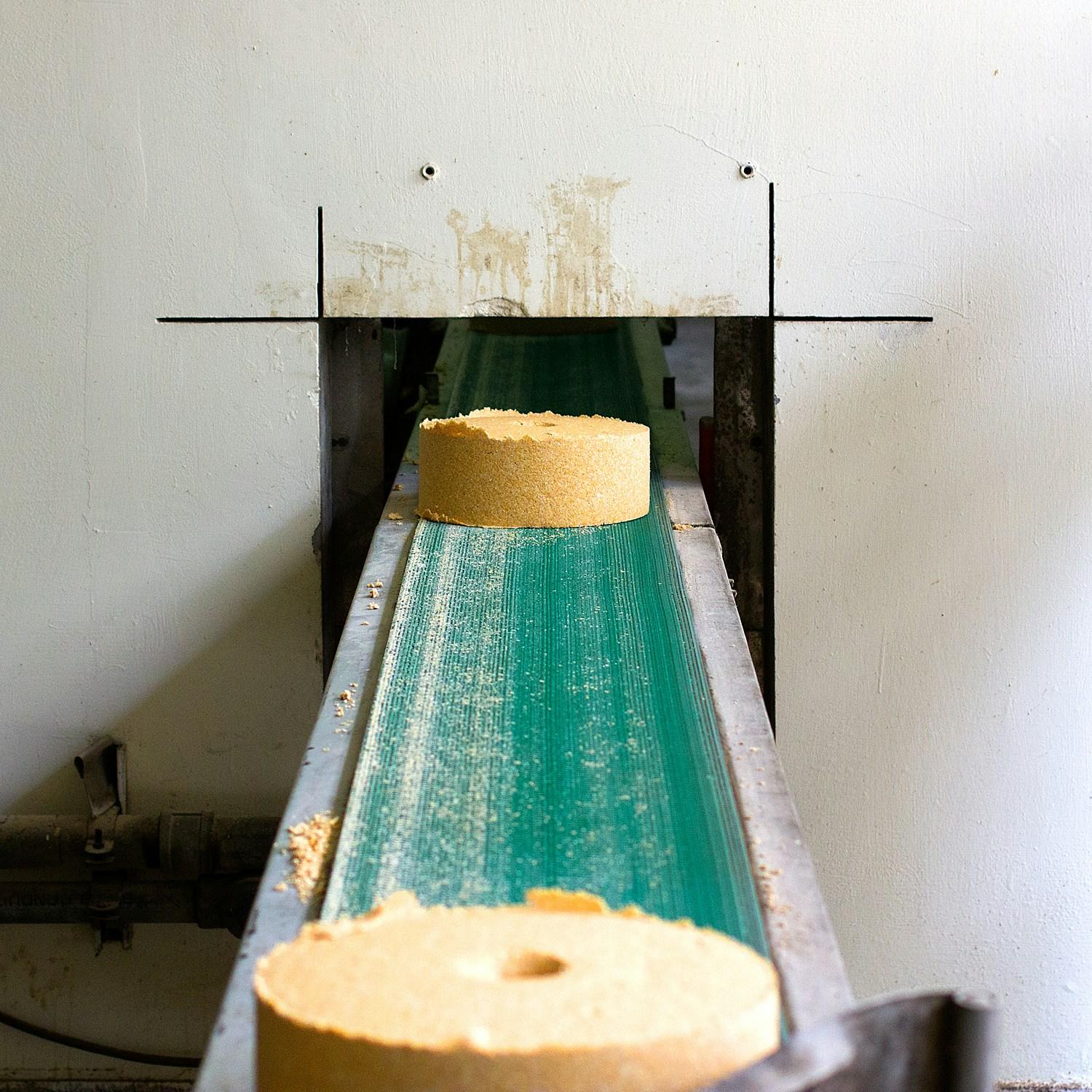
Understanding the Milling Process: Transforming Whole Grains into Flour
The journey of transforming whole grains into fine flour is a remarkable blend of science and artistry. Initially, grains are sourced directly from farms and are frequently enough chosen for their specific properties, such as protein content or flavour profile. Once harvested, the grains undergo a thorough cleaning process to remove any impurities like dirt, stones, and chaff. After cleaning, they are conditioned to optimize moisture levels, making them easier to mill. This adjustment plays a vital role in determining the final texture of the flour, resulting in different milling outcomes that cater to various culinary needs.
Next,the milling process unfolds through a series of precise steps,each shaping the grain towards flour. Key stages include:
- Milling: The grains are passed through a series of rollers that crush and grind them.
- Sifting: Separating the finer flour from the coarser bran and germ, which are frequently enough used for other products.
- Blending: Combining flours from different grains or varieties for desired characteristics in the final product.
Each of these steps is essential in crafting flour with unique qualities. As an example, flours like whole wheat retain more of the grain’s nutritional content, while refined flours undergo more extensive milling to enhance texture and usability in baking.
Exploring Different Grain Varieties: Choosing the Perfect Ingredient for Culinary creations
When delving into the world of grains, the variety at one’s disposal can be both exhilarating and overwhelming. Each type of grain not only carries its unique flavor profile, but also offers distinct nutritional benefits that can enhance any dish. For instance, quinoa stands out with its remarkable protein content, making it a favorite among health-conscious individuals. Simultaneously occurring, farro, with its nutty undertones, brings a rustic depth that can elevate salads or soups. Other grains like barley and bulgur contribute texture and complexity, providing a canvas for bold flavorings and robust cooking techniques.
Choosing the right grain is akin to selecting the perfect fabric for a masterpiece; it lays the foundation for the overall dish. When considering grains, chefs often factor in moisture absorption, cooking time, and compatibility with other ingredients. To simplify this decision-making process, below is a comparison of some popular grains highlighting their key attributes:
| Grain | Flavor Profile | Cooking Time | Nutritional Highlight |
|---|---|---|---|
| Quinoa | Earthy, nutty | 15 minutes | High in protein |
| farro | Nutty | 30 minutes | Rich in fiber |
| Barley | Chewy | 45 minutes | Source of selenium |
| Bulgur | Delicate | 12 minutes | Low in calories |
With such a rich tapestry of options, experimenting with different grains can lead to exciting culinary discoveries. Beyond nutritional benefits, each grain introduces a unique texture that can transform familiar recipes. The soft fluffiness of rice paired with succulent vegetables, or the hearty chew of wheat berries mixed with tender greens, showcases the versatility grains present. By incorporating a variety of grains into your culinary journey, you’ll not only diversify your palate but also create vibrant dishes that celebrate the delightful complexity of grain-based ingredients.

Techniques and Tools for Home Milling: Elevating Your Cooking with Fresh Flours
Home milling can transform your culinary experience, bringing an unparalleled freshness to your meals.To embark on the journey of grinding grains to flour,you will need the right tools and techniques. A variety of home milling machines are available, including manual grain mills, electric grinders, and specialty mills designed for specific grains. Each option offers unique benefits: manual mills allow for great control and a conventional feel, while electric grinders provide convenience and speed. When choosing a milling tool, consider factors like the type of grain you’ll be using, the volume of flour you need, and your desired texture—be it fine or coarse.
Incorporating freshly milled flour into your recipes can elevate them to new culinary heights. Here are some essential tips to enhance your milling process:
- Choose Quality Grains: Opt for whole grains that are organically grown for the best flavor.
- Experiment with Varieties: Try different grains like spelt, rye, or quinoa for unique tastes and textures.
- Control the Grind: Adjust your mill to achieve the desired consistency for everything from bread to pasta.
- Store Wisely: Keep your milled flour in airtight containers in a cool, dark place to maintain freshness.
To help you understand some key differences between various milling techniques, refer to the following table:
| Milling Type | Texture Achieved | Best For |
|---|---|---|
| Manual Grain Mill | Coarse to Fine | Bread, Porridge |
| Electric Grinder | Fine | Cakes, Pastries |
| Stone Mill | Variable | Artisan Bread |
By selecting the right method and tools, you unlock a world of flavors that will elevate your cooking. Enjoy the process of experimentation and creativity that comes with home milling,ultimately making your dishes more nourishing and delicious.
The Role of Freshly Milled Grain in Gourmet Baking: Unlocking Flavors and Textures
Freshly milled grains are becoming the secret weapon in the arsenal of gourmet bakers, revolutionizing the way we experience flavor and texture in baked goods. When grains are milled just before use, they retain essential oils and flavors that can be lost in pre-packaged products. This process not only preserves the nutritional value but also enhances the complexity of the taste, making each loaf or pastry a unique culinary experience. The impact of fresh grain goes beyond mere flavor; the texture is noticeably improved, providing a satisfying chew and crumb that store-bought alternatives can’t replicate. Choosing the right type of grain can unlock a plethora of flavors, from the nutty notes of whole wheat to the sweet undertones of ancient grains like farro and spelt.
Integrating freshly milled flour into baking requires an understanding of the grain’s characteristics and how they interact with traditional recipes. The following factors play a crucial role in achieving that perfect bake:
- Moisture Content: Fresh flour tends to have a higher moisture level, so adjustments may be necessary to balance liquids in recipes.
- Protein Levels: Different grains boast varying gluten strengths, affecting the rise and structure of bread.
- Flavor Profiles: Each grain brings its unique flavor, inviting bakers to experiment with combinations.
To summarize the benefits and characteristics of various freshly milled grains, consider the table below:
| Grain Type | Flavor Profile | Best Use |
|---|---|---|
| Whole Wheat | Nutty, Robust | Breads, Muffins |
| Spelt | Slightly Sweet, Earthy | Pasta, Pizza Dough |
| Rye | Earthy, Slightly Sour | Rye Bread, Crackers |
| Oat | Soft, Creamy | Cookies, Pancakes |
Concluding Remarks
As we draw the curtain on our exploration of the intricate journey from grain to gourmet, it’s clear that cereal milling is a symphony of science and artistry. Each turn of the milling process unveils the potential locked within humble grains, transforming them into the foundation of culinary creativity. The meticulous balance of tradition and innovation shapes not just the products we savor but also the stories they carry from field to fork.
From the farmer’s diligent harvest to the master miller’s skillful touch,every step is a testament to craftsmanship and passion. As we appreciate the grains that nourish us, let’s also celebrate the unseen hands that elevate them to gourmet heights. The next time you enjoy a meal featuring these versatile ingredients,remember the artistry involved in their creation—a process as layered and rich as the flavors themselves.In the grand tapestry of food,cereal milling is but one thread,yet it is vital,connecting us all through the simple yet profound act of eating.