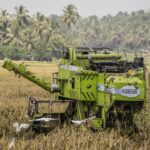
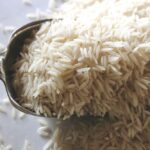
In the ever-evolving world of agriculture, where tradition meets technology, the humble grain of rice has sparked a revolutionary shift in how we approach milling.Enter the era of combined rice milling machines—an ingenious blend of efficiency and ingenuity poised to redefine rice processing on a global scale. As rice remains a staple food for over half the worldS population,the need for streamlined,cost-effective milling solutions has never been more pressing.This article delves into the rise of these multifaceted machines, exploring their design, functionality, and the myriad benefits they bring to farmers and mill operators alike. Join us as we uncover how efficient innovations are not just transforming the way rice is milled, but also paving the way for a more sustainable future in agricultural practices.
Emerging Technology Transforming the Rice Milling Landscape
as the agricultural landscape evolves, so too does the technology that underpins it. In the realm of rice milling, the advent of combined rice milling machines is revolutionizing processes, making them more efficient and sustainable. These innovations integrate multiple functionalities—hulling, milling, and polishing—all in one machine. This not only reduces the need for multiple pieces of equipment but also streamlines the workflow, effectively minimizing downtime. Farmers and mill operators are increasingly favoring these machines for their reduced operational costs and enhanced productivity.
Key features of combined rice milling machines include:
- Automated Settings: Adaptive controls that optimize performance based on the rice variety.
- Energy Efficiency: Reduced power consumption compared to conventional setups.
- Compact Design: Space-saving engineering allows for better land utilization.
- Ease of Maintenance: User-friendly design facilitates rapid repairs and part replacements.
The impact of these technologies can be seen in both rural and urban settings, where millers are able to diversify their offerings while maintaining high-quality outputs. The benefits of efficiency and convenience have made combined machines an integral part of modern rice processing, showcasing a clear trajectory towards innovation in the industry.

Advantages of Combined Rice Milling Machines in Productivity and Cost Efficiency
The advent of combined rice milling machines has revolutionized grain processing by melding multiple functions into a single unit. This consolidation provides a notable boost to productivity,enabling farmers and millers to streamline operations with ease. With the capability to husk,separate,and polish rice in one continuous process,these machines reduce the time and labor normally associated with traditional milling methods.the enhanced automation fosters a smoother workflow that minimizes downtime and maximizes output, allowing operators to produce larger quantities of polished rice consistently, enhancing overall yield.
In addition to improving productivity, combined rice milling machines also contribute to notable cost efficiency. By incorporating several processes into one machine,the need for multiple pieces of equipment is eliminated,leading to reduced initial investment and lower maintenance costs. Furthermore, the optimized energy consumption associated with these modern machines translates to significant savings over time, notably in larger milling operations. This synergy between efficiency and cost-saving makes these machines an attractive investment for those in the rice milling sector, ultimately improving their competitive edge in the market.
| Benefit | Description |
|---|---|
| Increased Output | Combines multiple milling processes for higher throughput. |
| lower Labor Costs | Reduces the need for manual labor by automating processes. |
| Energy Efficiency | Designed to use less power, minimizing operational costs. |
| Compact Design | Requires less space, allowing for easier installation and maintenance. |
Sustainability and Eco-Friendly Practices in Modern Milling Solutions
In the world of rice milling, a significant shift is occurring as modern innovations prioritize eco-friendly practices. The emergence of combined rice milling machines has revolutionized the industry, allowing for a streamlined process that minimizes energy consumption and waste. These machines not only improve efficiency but also reduce the carbon footprint associated with traditional milling methods. By integrating various milling operations into a single workflow, they enable a significant reduction in machinery, which translates to less energy usage and lower emissions.
The commitment to sustainability extends beyond the machinery itself. Manufacturers are embracing practices that promote environmental stewardship, such as:
- Utilizing renewable energy sources: Many milling facilities are now incorporating solar panels to power their operations.
- Recycling by-products: Waste materials from milling, such as husks and bran, are being repurposed as animal feed or organic fertilizers.
- water conservation: State-of-the-art water management systems are employed to minimize water usage during the milling process.
Implementing these sustainable practices not only benefits the habitat but also enhances the overall economic viability of rice production. below is a comparison of traditional milling versus modern combined milling solutions to illustrate these benefits:
| Aspect | Traditional Milling | Combined Milling |
|---|---|---|
| Energy Consumption | High | Low |
| Waste Generation | High | Minimal |
| Water Use | Significant | Conserved |
| Carbon Emissions | Significant | Reduced |
By focusing on these innovative approaches, the rice milling sector is paving the way for a greener future, ensuring that it not only meets the demands of today but also cares for the planet for generations to come.
Key Considerations for Selecting the Right Combined Rice Milling Equipment
When diving into the world of combined rice milling equipment, it’s essential to evaluate several critical factors to ensure you make the best choice for your specific needs. first, consider the capacity and volume requirements of your operation. A unit that aligns with your production goals can enhance efficiency and reduce waste. Moreover, assess the technology advancements incorporated into the machinery. Newer models often come equipped with smart features, such as automatic sensing and integrated monitoring systems, which can optimize performance and minimize energy consumption.
Additionally, it’s important to examine the durability and build quality of the machine. Investing in well-constructed machinery can significantly reduce long-term maintenance costs and ensure consistent performance over time. Don’t overlook the vendor support and warranty options, as having reliable backing can safeguard your investment. Lastly, evaluate the energy efficiency of the equipment. Machines that boast lower energy requirements can lead to substantial savings over time,making them not only cost-effective but also more environmentally friendly.
| Consideration | Importance |
|---|---|
| capacity | Aligns with production goals |
| Technology | Enhances efficiency and effectiveness |
| Durability | Reduces long-term maintenance costs |
| vendor Support | Ensures reliable investment protection |
| Energy Efficiency | minimizes operational costs and environmental impact |
Key Takeaways
As we reflect on the transformative journey of combined rice milling machines, it becomes clear that the intersection of technology and agriculture is reshaping the landscape of food production. These innovative machines are not merely tools; they represent a shift towards efficiency that balances tradition with modernity. With each grain milled, we witness the potential for greater yield, reduced waste, and enhanced quality, all while addressing the needs of a growing global population.
The rise of these machines is a testament to human ingenuity and the relentless pursuit of improvement. As we move forward, it is essential for stakeholders in the agricultural sector—farmers, engineers, and policymakers—to embrace these innovations, ensuring that they are accessible, sustainable, and beneficial to all involved.
In navigating the complexities of food security and economic viability,the efficient innovations in rice milling hold the promise of not only preserving the heritage of rice cultivation but also fostering a more sustainable future.As we turn the page on this chapter of agricultural advancement, the potential for further breakthroughs remains vast, inviting us to imagine what lies ahead in the world of food processing.