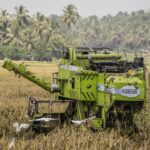
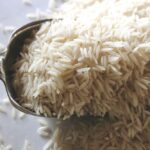
In the bustling world of grain processing, where tradition meets innovation, few practices boast the unique blend of artistry and scientific precision found in the realm of rice polishing. As rice, a staple food for over half the globe, makes its journey from paddy fields to dining tables, the process of refining this essential grain becomes a interesting exploration of cultural heritage and technological advancement. Rice polishers, often regarded as the unsung heroes of the culinary world, play a pivotal role in enhancing texture, flavor, and nutritional value. This article delves into the intricate dance of art and science behind rice polishing, uncovering the techniques that transform rice from its raw, rustic state into polished grains—gleaming jewels that promise to elevate the culinary experience. Join us as we embark on a journey through the meticulous craftsmanship and cutting-edge technology that defines this age-old practice, revealing how the simple act of polishing rice connects us to our past while shaping the future of food.
The Journey from Whole to Polished: Understanding the Grain Refinement Process
at the heart of any grain refinement process lies the careful journey of transforming raw, whole rice into a polished, gleaming product that entices the senses. This conversion involves several key stages, each demanding precision and care to ensure quality and flavor. The initial step begins with the selection of quality grains, where factors such as size, moisture content, and cleanliness are meticulously evaluated.Once selected, the rice undergoes a series of mechanical processes designed to strip away the bran and germ layers while retaining as much of the starchy endosperm as possible. This delicate balance between removal and preservation is what ultimately determines the texture and taste of the finished product.
As the rice moves through the polisher, several advanced technologies come into play, ensuring a high level of refinement.The process incorporates various techniques, including abrasive polishing, water polishing, and air polishing, each contributing to the grain’s final appearance and quality. Additionally, it is essential to monitor the polishing conditions, such as temperature and pressure, which can considerably impact the nutritional value and cooking characteristics of the rice. The culmination of these efforts reveals a visually appealing, polished grain that not only meets market standards but also elevates the dining experience.Below, a simple table illustrates the characteristics of different polishing techniques:
| Polishing Technique | Benefits | Considerations |
|---|---|---|
| Abrasive Polishing | Highly effective in removing bran | Can lead to loss of nutrients |
| Water Polishing | minimizes heat damage | Requires careful moisture management |
| Air Polishing | Reduces material loss | Less effective on darker grains |
Unveiling the Mechanics: How rice Polishers Transform texture and Taste
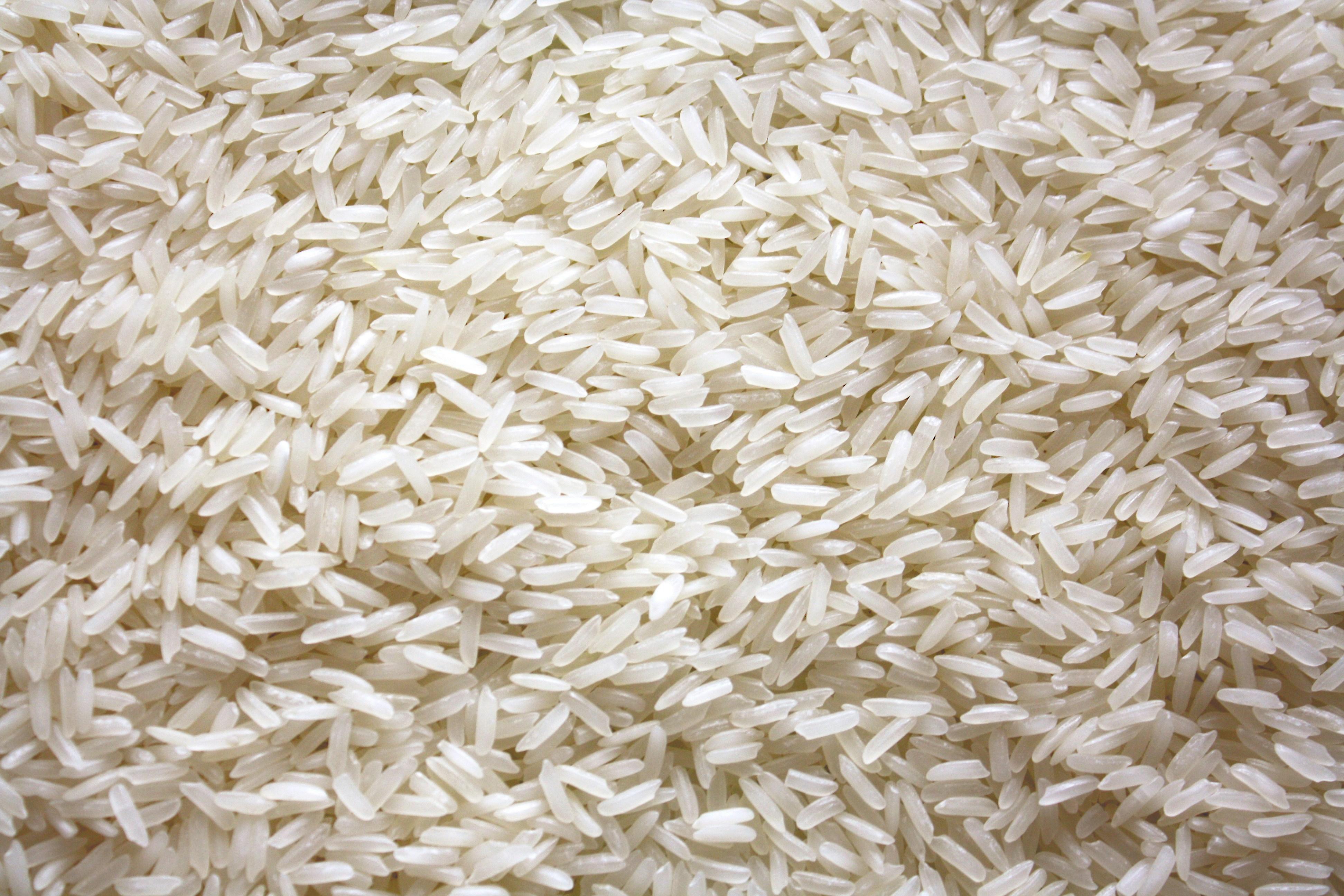
the journey of rice from paddy to plate is a mesmerizing dance of artistry and technology. At the heart of this transformation lies the rice polisher, a remarkable machine that enhances both texture and flavor. By delicately removing the outer bran layer, rice polishers not only refine the grain’s appearance but also unlock a spectrum of culinary possibilities. Through a precise blend of air pressure and friction, these machines ensure that each grain is polished uniformly, resulting in a lustrous finish that not only appeals to the eye but also impacts the cooking properties of the rice. The fine-tuning of this process can lead to variations in cooking time,water absorption,and ultimately,the way the rice envelops and complements other ingredients in a dish.
The effects of effective polishing extend beyond mere aesthetics, intertwining with our sensory experiences of taste and mouthfeel. Here are some key benefits of polished rice:
- Enhanced Flavor: polished grains often exhibit a cleaner, more refined taste that pairs beautifully with diverse cuisines.
- Improved Textural Appeal: The smooth surface of polished rice creates a delightful chewiness, enhancing the overall dining experience.
- Longer Shelf Life: Polishing reduces the presence of oils that can lead to spoilage, ensuring that the rice retains its quality over time.
- Better cooking Performance: Uniform grains cook more evenly,resulting in fluffy and well-separated rice with every serving.
Interestingly,the art of rice polishing isn’t solely about the mechanical process; it also incorporates a deep understanding of rice varieties and their unique characteristics. Different types of rice, such as jasmine, basmati, or arborio, respond differently to polishing techniques. A careful balance must be struck, as over-polishing can strip away essential nutrients and flavors. Below is a concise overview of how various polishing techniques influence rice quality:
| Polishing technique | Effects on Grains |
|---|---|
| light Polishing | Retains more nutrients while enhancing texture |
| Medium polishing | Strikes a balance, improving flavor with moderate nutrient loss |
| Heavy Polishing | Produces the most visually appealing grains, but diminishes nutrition significantly |
Balancing Tradition and Innovation: The Role of Technology in Grain Refinement
The traditional practices of grain refinement, especially in rice polishing, have long been celebrated for their ability to enhance flavor, texture, and overall quality. Though, in recent years, the proliferation of advanced technology has presented new opportunities to elevate these age-old methods. With the integration of cutting-edge machinery and innovative techniques, producers can now achieve a level of precision that manual methods coudl hardly replicate. These technological advancements not only enhance efficiency but also ensure a higher standard of quality, enabling rice to retain its nutritional value while achieving a polished finish that appeals to modern consumers.
Among the standout innovations is the advancement of smart rice polishers, which use sensors and automated adjustments to optimize the polishing process. This technology allows for real-time monitoring of variables such as moisture content,grain temperature,and polishing duration,ultimately leading to superior results. Additionally, the advantages of technology in grain refinement are highlighted through:
- Increased Efficiency: Automated systems reduce labor costs and time.
- Quality Consistency: The manufacturing process results in uniform grain quality.
- Environmental Considerations: New machinery is designed to minimize waste and conserve energy.
furthermore, the balance between traditional techniques and modern advancements can be illustrated through a comparative framework:
| Aspect | Traditional Methods | Modern techniques |
|---|---|---|
| Polishing Time | Longer, dependent on skill | Shortened, automated |
| Quality Control | Manual, variable outcomes | Automated sensors, consistent results |
| Nutritional Preservation | Careful handling required | Optimized settings to maintain nutrients |
Through collaboration and knowledge exchange, the grain refining industry stands at a pivotal moment where the exquisite craftsmanship of tradition meets the efficiencies of innovation, ensuring the future of rice polishing is as rich and fulfilling as its past.
Choosing the Right Polisher: A Guide to Selecting Equipment for optimal Results
When embarking on the journey of rice polishing, selecting the appropriate polisher is crucial for achieving the desired quality. Each type of polisher offers unique features and capabilities, tailored to meet various processing needs. Consider factors such as capacity,efficiency,and the finish quality of the rice while making your choice. Some polishers are designed for small batch processing,perfect for artisanal producers,while others can handle larger quantities,suitable for industrial operations. It’s also essential to look at the machine’s energy consumption and maintenance requirements, as these can significantly impact your overall operational efficiency.
In addition to the basic specifications, understanding the technology behind the polishing process can definitely help in making a more informed decision. Evaluate options such as airflow systems that reduce heat during polishing, or revolving barrel designs that enhance refined grain quality. Before finalizing your purchase, consider connecting with other rice processors or industry experts to gather insights on performance and durability.To further assist you, here’s a speedy comparison of popular polisher types:
| Polisher Type | Capacity | Finish Quality | Ideal For |
|---|---|---|---|
| Traditional Stone Polisher | Low to Medium | High | Artisanal Producers |
| modern Abrasive Polisher | Medium to High | Medium | Commercial Operations |
| Jet Polisher | High | Very High | Industrial Scale |
To Conclude
As we conclude our exploration of the intricate world of rice polishing, it becomes clear that this process is much more than a simple step in food readiness; it is a harmonious blend of art and science. The techniques employed by rice polishers not only elevate the intrinsic qualities of the grain but also preserve its nutritional integrity, offering a delectable experience for diners around the globe.Whether through traditional methods passed down through generations or cutting-edge technologies that redefine efficiency, the craft of refining grains holds a pivotal role in our culinary landscape. each polished grain tells a story of patience, precision, and a commitment to perfection.As we’ve seen, the future of rice polishing will continue to evolve, integrating sustainability and innovation while honoring the age-old practices that have shaped it.
So, next time you savor a perfectly cooked bowl of rice, take a moment to appreciate the journey it undertook from field to table—the artistry involved in its polishing, the care taken to enhance its flavor and texture, and the science underlying every grain’s transformation. In the world of culinary endeavors, it is often the tiniest details that make the most significant impact. And in the realm of rice polishers, this sentiment rings especially true.