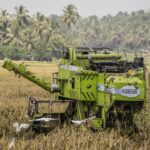
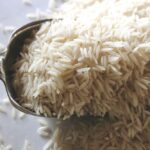
In the heart of sprawling fields where golden grains sway gently with the breeze, lies a world frequently enough forgotten—the unseen journey of rice from farm to plate. As one of the globe’s most vital staples, rice sustains billions, yet the intricate processes that transform rough paddy into the polished grains gracing our kitchens remain a mystery to many. This article invites you to step inside a modern rice processing plant, where technology meets tradition to unlock the potential of this humble grain.From the gentle hum of machinery to the meticulous handovers of skilled workers, we will explore the innovative methods and age-old techniques that breathe life into each grain of rice, ensuring it is not just a food source, but a cornerstone of cultures worldwide. Join us as we delve into the fascinating world of rice processing, revealing how this simple grain is refined and redefined in the machinery of modern agriculture.
Exploring the Engineering Marvels of Rice Milling Technology
The world of rice milling has transformed dramatically over the years,evolving into a refined blend of conventional methods and cutting-edge technology. Today’s rice processing plants utilize a variety of advanced machinery that streamlines the entire milling process, ensuring optimal efficiency and superior quality. From the initial stages of cleaning and husking to the final stages of polishing and packaging, every piece of equipment plays a pivotal role in unlocking the grain’s potential. Key technologies employed in modern rice processing include:
- Dehusking Machines: Essential for removing the hard outer husk.
- Whitening Units: Polish the rice grains, enhancing texture and appearance.
- Sorting Technologies: Uses laser and optical sorting for quality assurance.
- Packaging Systems: Automates and secures the final product for distribution.
Moreover, the integration of automation and monitoring systems has revolutionized operational efficiency, leading to decreased waste and increased yield. This synergy of hardware and software not only supports meticulous quality control but also facilitates real-time data analytics, allowing mill operators to make informed decisions on-the-fly.To illustrate this remarkable transformation,the following table highlights critical features of a modern rice milling facility:
| feature | Description |
|---|---|
| Automation | Streamlines production,reducing manual labor and errors. |
| Energy Efficiency | Advanced machines minimize energy consumption per unit of rice. |
| Quality Control | Continuous monitoring ensures only the best quality grains reach consumers. |
Sustainable Practices: Minimizing Waste in Rice Processing
In a modern rice processing plant, sustainability is a core principle that shapes every stage of production. Implementing efficient systems to minimize waste not only makes environmental sense, but also enhances the overall operational efficacy. By leveraging advanced technologies and waste recovery methods, facilities are able to transform potential byproducts into valuable resources. Some of the key practices include:
- Utilization of Byproducts: Rice husks, bran, and other residues are processed into biomaterials, animal feed, or fuel sources.
- Water Recycling: Advanced water treatment systems are employed to reuse water in various stages of processing.
- Energy Efficiency: Installation of solar panels and energy-efficient machinery reduces carbon footprint.
Moreover, tracking and optimizing resource usage is fundamental to waste reduction. Monitoring systems ensure that every grain is accounted for, while excess materials are minimized through strategic adjustments in processing techniques. Sustainable practices extend to packaging as well, with many plants opting for biodegradable or recyclable materials. Below is a concise overview of how different sustainable practices contribute to minimizing waste:
| Practice | Benefit |
|---|---|
| Byproduct Repurposing | Turns waste into additional revenue streams |
| Water Recycling | Reduces overall water consumption |
| energy Efficiency | Lowers operational costs and emissions |
Quality Control: Ensuring Every Grain Meets High Standards
At the heart of a modern rice processing plant lies a rigorous quality control system, designed to ensure that each grain of rice meets the highest standards. Advanced technology is employed at every stage of processing, from the selection of raw materials to the final packaging. Stringent checks are conducted to monitor key quality indicators, including:
- Moisture content: Precise moisture levels are crucial for preventing spoilage and achieving optimal shelf life.
- Purity: Contamination from foreign materials is meticulously screened out using state-of-the-art sorting machines.
- Size consistency: Grains are graded uniformly to ensure even cooking and texture.
the quality control team conducts regular sampling and sensory evaluations, where color, aroma, and taste are assessed to ensure a premium product. A structured approach allows for immediate corrective actions if quality indexes fall below established benchmarks. Additionally, thorough data tracking contributes to their proactive strategies, with a focus on:
- Traceability: Full transparency from harvest to processing ensures accountability.
- Compliance: All processes are aligned with industry regulations and standards.
- Continuous improvement: Gathering feedback from customers leads to consistent enhancements in quality.
| Quality Indicator | Target Standard | Current Status |
|---|---|---|
| Moisture content | 12% or lower | 11.5% |
| Purity Level | 99.5% or higher | 99.7% |
| Grain Size Consistency | 95% uniformity | 96% |
The Future of Rice Processing: Innovations on the Horizon
The horizon of rice processing is brightened by a wave of technological advancements set to revolutionize the industry. As the global demand for rice grows, innovative solutions are emerging to enhance efficiency and sustainability in processing operations. From artificial intelligence-driven analytics to enhance sorting and quality control to IoT devices that monitor storage conditions remotely, modern rice processing plants are embracing a digital transformation. These technologies not only improve operational efficiency but also ensure that the quality of the final product meets stringent market standards.
Moreover, sustainability is becoming a cornerstone of future developments in rice processing. Eco-amiable practices are being integrated into every stage, from water recycling systems to energy-efficient machinery. The introduction of biodegradable packaging and renewable energy sources in processing facilities is making significant strides toward reducing the industry’s carbon footprint. Here’s a glimpse of the innovative features we can expect in the coming years:
- Automation and Robotics: Streamlining operations to reduce labor costs and improve precision.
- Smart Sorting Technologies: Use of advanced imaging and machine learning techniques for optimal quality control.
- Sustainable Processing Techniques: Implementation of systems to minimize waste and maximize resource efficiency.
| Innovative Feature | Benefit |
|---|---|
| AI-Powered Analytics | Optimizes processing efficiency and ensures product quality. |
| IoT Monitoring | Enhances storage conditions, preventing spoilage. |
| Renewable Energy Sources | Reduces carbon footprint and operational costs. |
Insights and Conclusions
As we conclude our journey through the intricate world of a modern rice processing plant, we are left with a deeper appreciation for the grain that has sustained civilizations throughout history. Unlocking the grain is not merely a mechanical process; it’s a symphony of innovation, tradition, and meticulous care. Each step in the processing line—from harvest to packaging—tells a story of commitment to quality and efficiency, ensuring that this humble staple reaches tables around the globe in its finest form.In an era where sustainability and technological advancements play a pivotal role in agriculture, rice processing plants stand at the forefront, embodying the marriage of heritage and modernity. We have witnessed how these facilities transform raw grains into nutritional staples while adhering to the highest standards of safety and environmental duty.
As we reflect on the complexity and importance of rice processing, we invite you to consider not just the aroma of freshly cooked rice on your plate but also the intricate journey it undertook to get there. With each grain, we celebrate the efforts of the countless individuals and technologies behind the scenes, making every meal a mindful experience. The next time you savor a bowl of rice, remember the unlocking of its potential—both as a food source and as a testament to human ingenuity and resilience.