Inside teh heart of grain: Exploring Rice Processing Plants
In the bustling tapestry of global agriculture, few grains hold as much cultural and economic importance as rice. Revered as a staple food for more than half of the world’s population, this humble grain embodies a rich history and an intricate journey from field to table. Yet,the magic of rice transcends the simplicity of its appearance; it unfolds in the heart of rice processing plants—those often-overlooked arenas where science meets tradition,and innovation intertwines with age-old practices. In this exploration, we pull back the curtain on the immense machinery and dedicated labor that transform raw harvests into the polished grains that find their way into our homes. Join us as we navigate the corridors of thes processing facilities, shedding light on the meticulous processes that ensure quality, sustainability, and efficiency in every bite. Through this journey,we will unravel not only the technological advancements shaping the industry but also the stories of the people who dedicate their lives to the alchemy of rice,preserving its essence while adapting to the ever-evolving demands of a hungry world.

Understanding the Journey from Field to Table
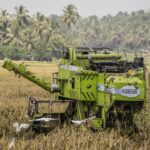
From the moment it’s harvested in golden fields, rice embarks on an intricate path before it reaches your dinner table. Each grain carries the essence of the land it was nurtured in, but before this journey culminates in your bowl, it undergoes a series of meticulous processes in rice processing plants. These facilities are designed to transform paddy into the polished grains we recognize, ensuring quality and safety through various stages, including drying, milling, and grading. Within these walls, modern technology meets laborious traditions, producing rice that not only satisfies but captivates our senses.
The journey is characterized by a series of carefully controlled steps:
- Drying: Reducing moisture content to prevent spoilage.
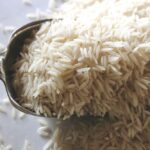
- Milling: Removing the husk and bran layers to reveal the edible white or brown rice.
- Grading: Sorting grains by size and quality to ensure consistency.
- Packaging: Securing the rice in a way that preserves freshness and facilitates transport.
| Step | Description |
|---|---|
| Drying | Essential for preventing spoilage and maintaining quality. |
| Milling | Transforms paddy into consumable rice while optimizing flavor. |
| Grading | Ensures only the finest grains make it to market. |
| Packaging | Protects and preserves the rice for distribution. |

Technological Innovations Shaping Rice Processing Efficiency
The landscape of rice processing is undergoing a transformative shift driven by cutting-edge technologies that enhance efficiency and productivity. Automated systems are increasingly replacing customary manual methods, streamlining operations from sorting to packaging. Among the most notable advancements is the use of AI-powered sorting machines,which employ machine vision technology to accurately identify and separate grains based on size,color,and quality. This not only accelerates the sorting process but also minimizes human error, ensuring higher consistency in product quality. Additionally, IoT-enabled sensors are being integrated into processing lines, allowing for real-time monitoring of machine performance and environmental conditions, thereby optimizing energy consumption and reducing waste.
Another meaningful innovation is the incorporation of advanced milling technologies, such as high-efficiency rice hullers and multi-stage milling systems, designed to maximize yield while ensuring optimum quality. These modern machines utilize controlled variables like humidity and temperature to produce not just white rice, but also specialty grains with minimal breakage. Moreover,the introduction of blockchain technology for traceability is revolutionizing transparency in the rice supply chain,providing consumers and producers with essential data about the origin and quality of the rice. The following table summarizes some of these key innovations and their benefits:
| Innovation | Description | Benefits |
|---|---|---|
| AI Sorting Machines | Machines that utilize machine vision for sorting. | Increased speed, accuracy, and consistency. |
| IoT Sensors | Devices that monitor machine and environmental conditions. | Optimizes operations and reduces energy waste. |
| High-Efficiency Hullers | Advanced milling equipment for better yield. | Minimizes grain breakage and enhances quality. |
| Blockchain Technology | System for tracking rice origin and quality. | Enhances transparency and consumer trust. |
The environmental impact of Rice Production Practices
Rice production is a cornerstone of food security across the globe, yet its cultivation and processing carry significant environmental consequences. Water overuse is perhaps the most pressing issue, as traditional methods often require vast amounts of water for irrigation, which can deplete local water resources. Moreover, the use of chemical fertilizers and pesticides to enhance yield can lead to soil degradation and waterway contamination, causing harm to both aquatic and terrestrial ecosystems. By switching to practices such as organic farming and integrated pest management, farmers can mitigate these impacts while maintaining productivity.
Additionally, the energy footprint of rice processing plants contributes to greenhouse gas emissions. the reliance on fossil fuels for power and heat during milling and parboiling can significantly hinder climate goals. Though, there are lasting alternatives gaining traction, including bioenergy generated from rice husks and straw, which not only reduces waste but also transforms byproducts into valuable resources. These innovative practices could pave the way for a greener future in rice production,promoting environmental sustainability without sacrificing the staple’s essential role in diets around the world. Below is a simple comparison of traditional and sustainable practices:
| Aspect | Traditional Practices | Sustainable Practices |
|---|---|---|
| Water Usage | High demands; often leads to depletion | Drip irrigation and rainfed techniques; |
| Chemical Inputs | Extensive use of fertilizers and pesticides | Organic farming and natural pest control |
| Energy Sources | Fossil fuels | Renewable energy sources like biomass |
Best Practices for Quality Control in Processing Facilities
Ensuring the highest quality of rice products begins with implementing rigorous quality control measures throughout the processing facility. Each stage of production should actively monitor critical parameters to detect any deviations early. This might include routine checks for moisture content, contaminant presence, and grain integrity. To facilitate a seamless operation, consider incorporating the following practices:
- Standard Operating Procedures (SOPs): Develop and enforce SOPs for each phase of processing to ensure consistency and accountability.
- Regular Equipment Calibration: Ensure that all machinery is routinely calibrated and maintained to operate at peak performance.
- Training Programs: Provide staff with ongoing training in quality assurance techniques and hazard identification.
- Sampling and testing: Implement a robust sampling regime with frequent testing for contaminants and undesired quality parameters.
- data Logging: Utilize digital or manual logs to record and analyze quality metrics for continuous enhancement.
Moreover,creating a culture of quality within the facility is paramount. Employees at all levels should understand their roles in the quality assurance process. designating ‘quality champions’ among staff can enhance focus on this critical area. consider forming a structured feedback loop where workers can report quality concerns and suggest improvements,fostering an environment of open communication. Additionally, regular audits and assessments can definately help identify potential issues before they escalate into significant problems. The following table outlines essential quality control metrics that can guide routine evaluations:
| Quality Metric | Target Value | Frequency of Monitoring |
|---|---|---|
| Moisture Content | 12% – 14% | Daily |
| Broken Rice Percentage | Less than 3% | Every Batch |
| Contaminant Levels | Zero Tolerance | Per Shift |
| Color Grading | Consistent and Even | Weekly |
Final Thoughts
As we conclude our journey through the intricate world of rice processing plants, we emerge with a deeper gratitude for the humble grain that sustains billions around the globe. These facilities,often bustling with activity,are nothing short of marvels of engineering and precision,transforming raw grain into essential nourishment through a symphony of processes.
The heart of grain is a testament to human ingenuity, where tradition meets technology, and labor intertwines with sustainability. The stories of the workers, the rhythms of machinery, and the delicate dance of quality control all contribute to a vital industry that often operates behind the scenes, yet plays a crucial role in our daily lives.As we reflect on the complexities of rice processing, we are reminded of the interconnectedness of our food systems. Each grain that reaches our plate carries with it the legacy of those who cultivate, process, and distribute it. So, the next time you savor a steaming bowl of rice, take a moment to appreciate not just the taste, but the journey it has undertaken to nourish you. The world of rice processing is not merely about grain; it is a narrative woven with culture,commitment,and care.