In the heart of every kitchen, a golden staple transforms humble meals into culinary masterpieces: corn. From its vibrant fields, where the sun-kissed kernels sway in the breeze, to the bustling kitchens where it becomes a vital ingredient in diverse cuisines, corn holds a significant place in our culinary landscape. “From Field to Flavor: The Art of Corn Processing Unveiled” takes you on a journey through the intricate processes that turn fresh maize into the myriad products we often take for granted. This exploration not only highlights the art and science behind corn processing but also connects us to the roots of this versatile grain. Join us as we delve into the techniques, traditions, and innovations that shape our understanding and recognition of corn, revealing the secrets behind its conversion from mere crop to essential culinary delight.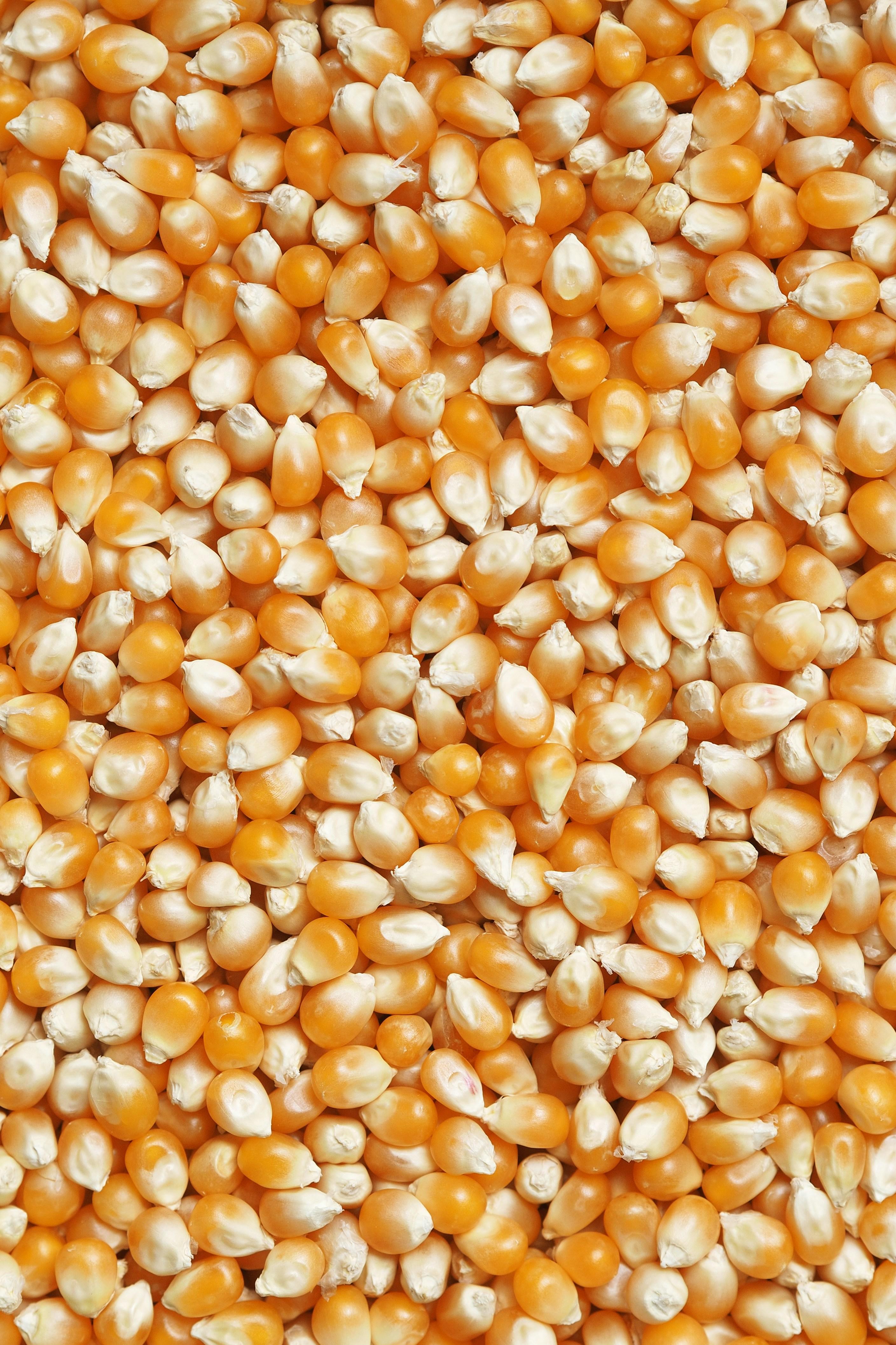
Exploring the Journey of Corn from harvest to Kitchen
The transformation of corn into delightful dishes is a captivating odyssey that begins in the sun-drenched fields and travels through various stages of processing before reaching our kitchens. Once harvested, corn undergoes an intricate journey that includes cleaning, drying, and sometimes milling.Each of these steps is essential in preserving the flavor and nutritional value of this versatile grain, ensuring it can be enjoyed in myriad forms—from sweet corn on the cob to ground cornmeal for baking. The processing methods employed can vary significantly based on the intended end product, with options ranging from traditional techniques to high-tech innovations designed to enhance efficiency and flavor retention.
As the corn makes its way to processors, its journey can involve several fascinating milestones, including:
- Storage and Conditioning: Corn is stored in climate-controlled silos to maintain freshness and prevent spoilage.
- Wet or Dry Milling: Depending on the desired result, corn may be milled wet or dry, creating products like corn starch or masa.
- Packaging: Processed corn products are carefully packaged to preserve quality and extend shelf life, often using eco-pleasant materials.
To better appreciate the stages of processing that corn undergoes, consider the following table showcasing some common corn products and their primary uses:
| Product | Usage |
|---|---|
| Whole kernel Corn | Salads, Sides, and Casseroles |
| Cornmeal | bread, Porridge, and Pancakes |
| Corn Starch | Thickening Soups and Sauces |
| Masa Harina | Tortillas and tamales |

Techniques that Transform Corn: Unveiling Processing Methods
Corn, a versatile crop, undergoes a fascinating metamorphosis through various processing techniques that enhance its flavor and usability. Among the most impactful methods is nixtamalization, a traditional process that involves soaking and cooking corn in an alkaline solution, frequently enough lime. This technique not only improves the nutritional profile by increasing calcium content but also enhances the taste and aroma of the corn, making it ideal for tortillas and other staple foods. Milling, another essential process, transforms whole corn into various textures, resulting in products like cornmeal, corn flour, and grits—each suited for different culinary applications.
In addition to these methods, the use of fermentation adds another layer of depth to corn processing. fermented products, such as masa for tamales and various beverages, showcase the complexity of flavors that can be developed. corn can also be subjected to extrusion, creating snacks like puffed corn and corn chips by forcing the grain through a machine at high temperatures and pressures. This diversity of processing techniques ultimately not only extends the shelf life of corn-based products but also enhances their versatility in kitchens worldwide.
| Processing Method | advantages |
|---|---|
| Nixtamalization | Improves nutrition and flavor |
| Milling | Catering to various culinary needs |
| Fermentation | Creates complex flavors |
| Extrusion | Enhances snack texture |
Flavor Profiles and Culinary Applications: Making the Most of Corn
Corn exhibits an astounding array of flavor profiles that can be harnessed to elevate dishes across various cuisines. Its natural sweetness, earthy undertones, and nutty essence can be brought out through different cooking methods, from roasting to boiling. Popular preparations include:
- grilled Corn: Charred to perfection, it enhances the sweetness and adds a smoky flavor.
- Cornmeal: Ground into flour, it’s ideal for a variety of baked goods, imparting a unique texture and taste.
- Corn Soups: Blended with spices, it creates a creamy, comforting dish that highlights corn’s natural sweetness.
The versatility of corn extends beyond flavor, shaping its role in the culinary world. Its various forms, from popcorn to polenta, provide a broad canvas for creativity. Additionally, corn can be paired with numerous ingredients, creating dynamic profiles. Some delectable combinations include:
| Ingredient | Flavor Pairing Suggestion |
|---|---|
| Avocado | Great in salads, enhancing creaminess. |
| Cilantro | Adds freshness to corn salsas. |
| Cheese | Classically paired with cornbread or in savory dishes. |
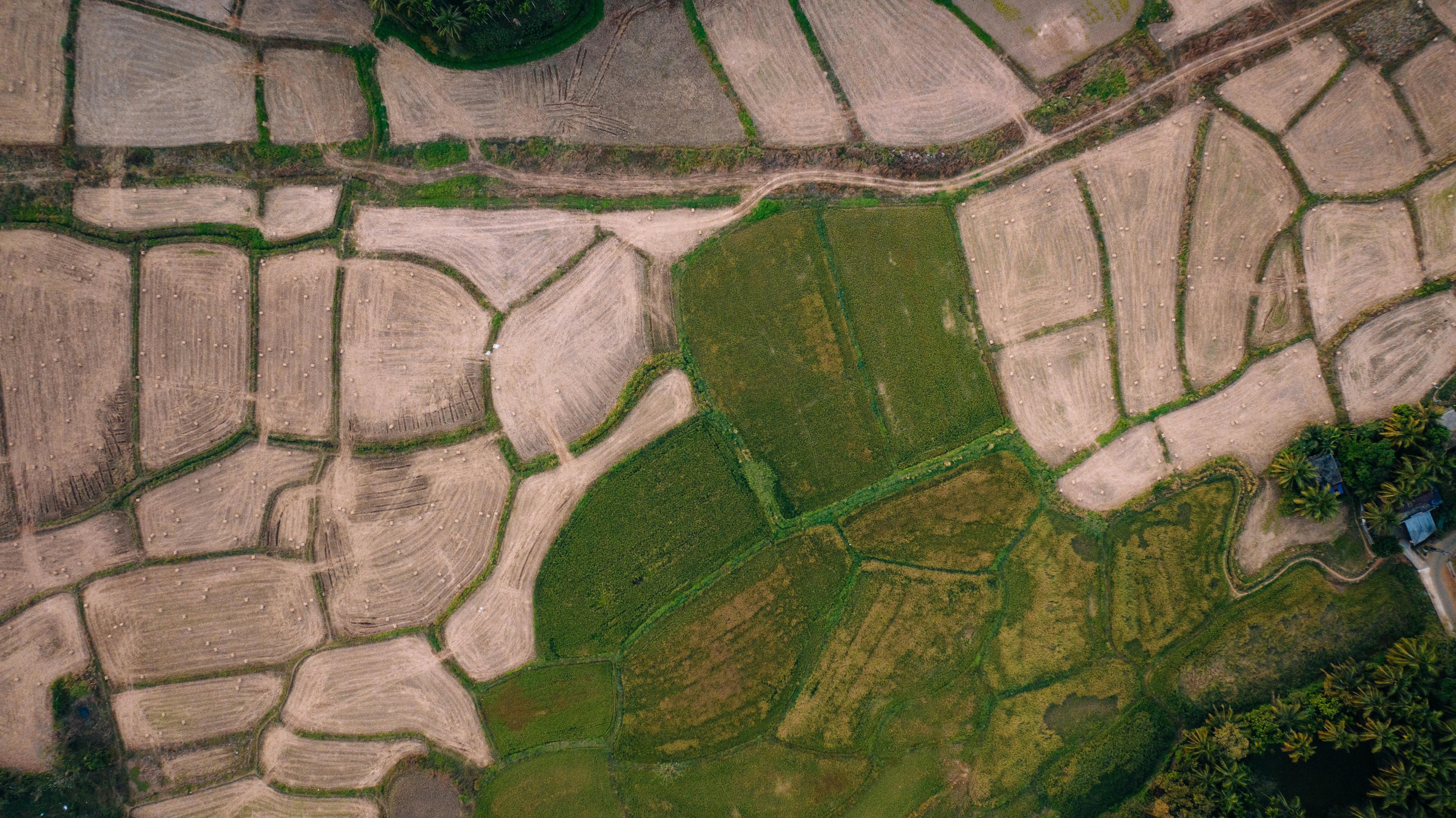
Sustainable Practices in Corn Processing: A Path to Responsible Consumption
As consumers become increasingly aware of the environmental impact of their food choices,the corn processing industry is stepping up to embrace eco-friendly methods. Innovative techniques such as water conservation, energy-efficient processing, and biodegradable packaging are now at the forefront of sustainable corn processing. These practices not only minimize waste but also foster a healthier planet, showcasing a commitment to corporate social responsibility. By prioritizing the entire life cycle of corn, from cultivation to consumption, companies can ensure thay are part of a movement that reflects modern values and responsible consumption.
Moreover,collaboration between farmers,processors,and retailers is vital in promoting sustainability across the supply chain. Initiatives such as crop rotation and organic farming help preserve soil health,while partnerships with local communities encourage sustainable practices around corn harvesting. Consumers can contribute to this journey by choosing products that highlight their allegiance to responsible sourcing and eco-friendly production. To illustrate this commitment, consider the following table that summarizes the environmental benefits of these sustainable practices:
| Practice | Environmental Benefit |
|---|---|
| Water Conservation | Reduces water waste during processing |
| Energy efficiency | Lowers carbon footprint from production |
| Biodegradable Packaging | Minimizes landfill waste |
| Organic Farming | Supports biodiversity and reduces chemical use |
Concluding Remarks
As we conclude our journey through the intricate world of corn processing, it becomes clear that this golden grain is more than just a staple in our diets; it is a canvas for creativity and tradition. From the meticulous care taken in the fields to the innovative techniques in processing, each step plays a vital role in transforming simple kernels into a diverse array of flavors and textures.
This art form, steeped in history yet poised for the future, connects farmers, artisans, and consumers in a shared appreciation of what goes into our meals. Whether it’s the sweet crunch of popcorn, the comforting warmth of cornbread, or the rich, creamy essence of corn-based products, the journey from field to flavor is one of harmony and craftsmanship.
As we savor these products and recognize the hands that brought them to life, may we carry forward an appreciation for the methods and artistry involved in corn processing. This celebration of grain is not merely about sustenance, but also about the stories that bind us through shared nourishment and experience. So, the next time you indulge in a corn-inspired dish, remember the transformation that occurs from the very start — a testament to nature’s bounty and human ingenuity.