
In the quiet hum of a grain mill, the art of cereal milling unfolds like a delicate dance between tradition and innovation. From the humble seed to the hearty loaf, the journey of grains is a symphony of transformation that has sustained civilizations for millennia. Join us as we explore the intricate process of turning grain into gain, where each twist of the millstone reveals the essence of a timeless craft. Welcome to the world of cereal milling, where nature’s bounty meets the human touch in a harmonious blend of science and art.
Grain Selection: Understanding the Importance of Choosing the Right Cereal
When it comes to choosing the right cereal for your diet, the grain selection plays a crucial role in determining the nutritional value and health benefits of the final product. Different grains offer varying levels of nutrients, fiber, and antioxidants, making it essential to understand the importance of selecting the right type of cereal for your needs. By exploring the art of cereal milling, you can uncover the hidden advantages of specific grains and make informed choices that align with your health goals.
Whether you prefer the heartiness of whole grains or the lightness of refined cereals, each grain selection comes with its unique set of attributes that can impact your overall well-being. By considering factors such as processing methods, nutrient content, and fiber levels, you can tailor your cereal choice to meet specific dietary requirements and preferences. From the ancient grains like quinoa and amaranth to classic options such as oats and barley, the world of cereal milling offers a diverse range of choices that cater to various tastes and health needs.
Milling Techniques: Exploring Traditional vs Modern Methods
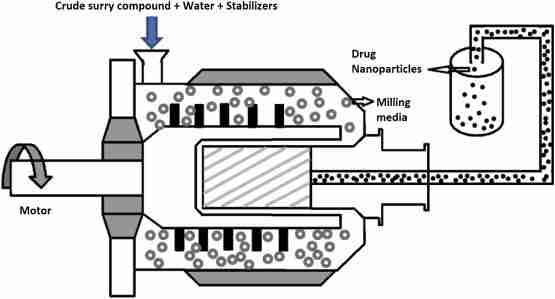
When it comes to milling techniques, there is a rich history of traditional methods that have been used for centuries to process cereal grains. One such method is stone milling, where grains are crushed between two large stones to create flour. This ancient technique is known for producing high-quality flour that retains much of the grain’s nutrients and flavor.
On the other hand, modern milling methods have evolved to be more efficient and precise. Roller milling, for example, uses a series of rollers to crush the grains and separate the components, resulting in a finer and more consistent product. This method is favored by commercial mills for its speed and ability to produce large quantities of flour. Despite the differences between traditional and modern techniques, both play a crucial role in the art of cereal milling, each with its own unique advantages and characteristics.
Quality Control: Tips for Ensuring Consistent and High-Quality Cereal Products
When it comes to producing top-notch cereal products, the key lies in mastering the art of cereal milling. By following these essential tips for quality control, you can ensure that your cereal products are always consistent and of the highest quality:
- Proper Cleaning: Before milling the grains, make sure to thoroughly clean them to remove any debris or impurities that could affect the final product.
- Precision Milling: Invest in high-quality milling equipment and carefully monitor the milling process to ensure that the grains are ground to the perfect consistency.
- Regular Testing: Conduct regular quality tests throughout the production process to identify any potential issues and make adjustments as needed.
| Quality Control Tip | Description |
|---|---|
| Proper Cleaning | Thoroughly clean grains before milling |
| Precision Milling | Invest in high-quality equipment and monitor the process |
| Regular Testing | Conduct quality tests throughout production |
By implementing these tips and techniques, you can take your cereal milling process to the next level and ensure that your products are always a cut above the rest. Consistency and high-quality are key in the competitive cereal market, and by mastering the art of cereal milling, you can set your products apart and attract loyal customers who appreciate top-notch products.

The Future of Cereal Milling: Innovations and Sustainability in the Industry
In the ever-evolving world of cereal milling, innovation and sustainability have become key ingredients for success. As technology advances and consumer preferences shift towards more environmentally-friendly options, the industry is finding new ways to leave a smaller footprint while still producing high-quality products. From seed to shelf, companies are exploring creative solutions to reduce waste, increase efficiency, and improve the overall sustainability of cereal milling.
One of the most exciting innovations in the industry is the use of advanced milling techniques that optimize the production process. By utilizing state-of-the-art machinery and cutting-edge technology, companies are able to extract more nutrients from each grain, resulting in healthier and more nutritious products for consumers. Additionally, some mills are implementing sustainable practices such as water recycling and energy-efficient systems to minimize their environmental impact. With these advancements, the future of cereal milling is not only bright but also promising for both the industry and the planet.
The Way Forward
In conclusion, the art of cereal milling is a fascinating process that has been perfected over centuries to provide us with the grains that fuel our bodies and satisfy our taste buds. From the ancient grinding stones to the modern machinery of today, the journey from grain to gain is a testament to human ingenuity and dedication. So the next time you pour yourself a bowl of cereal, take a moment to appreciate the artistry and craftsmanship that went into producing those crunchy, nutritious flakes. Here’s to the unsung heroes of the cereal world – the master millers who turn grains into gold.



