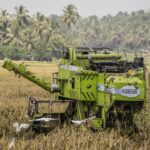
In the heart of agricultural innovation lies a harmonious blend of old-world craftsmanship and cutting-edge technology: the rice milling machine. As a vital link in the journey from paddy field to plate, this engineered marvel not only enhances efficiency but also preserves the rich traditions of rice cultivation and processing. In an era where precision agriculture is paramount, understanding the evolution and functioning of the rice milling machine reveals a story of adaptation and respect for heritage. Join us as we unveil the intricate workings of these machines, exploring how thay bridge the gap between the past and the future, ensuring that every grain of rice reflects both quality and efficiency.
understanding the Evolution of Rice Milling Technology
Over the decades, rice milling technology has undergone transformative advancements from its humble beginnings to the refined machinery we see today. Traditional methods relied heavily on manual labor, utilizing simple tools such as mortars and pestles that required significant physical effort and time.However, the introduction of mechanized rice mills revolutionized the industry, greatly enhancing efficiency and precision. The first commercial rice milling machines emerged in the late 19th century, enabling millers to process larger quantities of rice quickly while maintaining the grainS integrity. This initial shift laid the groundwork for ongoing innovations that would soon follow.
The evolution of rice milling machinery has been characterized by a continuous pursuit of improved performance, contributing to better yield percentages and overall grain quality. Today, modern rice milling machines incorporate advanced technologies, such as satellite tracking for precise timings and automated adjustments that ensure the highest efficiency. These machines utilize a combination of wet and dry milling techniques to cater to diverse rice varieties and increase production capacity. Key innovations include:
- Automatic paddy separation to reduce wastage
- Integrated polishing stages for superior finish
- Energy-efficient designs that lower operational costs
- Real-time monitoring systems for quality assurance
| Technology Generation | Key Features | Impact on Farming |
|---|---|---|
| Traditional | Manual, Labor-intensive | Time-consuming, Low Yield |
| Early Mechanization | Simple Machines, increased Speed | Higher Output, Moderate Grain Quality |
| Modern Automation | High Efficiency, Quality Control | Optimized Production, Superior Quality |

Key Features That Define Quality in Modern Rice Milling Machines
In the evolving landscape of rice milling,modern machines are distinguished by a blend of technology and craftsmanship that ensures optimal performance and quality output. High-efficiency process flow is a cornerstone, allowing for the seamless transition from raw paddy to polished rice while minimizing breakage and waste. Key features such as clever automation elevate this efficiency, enabling precise control over milling parameters.With advancements like real-time moisture adjustment and automatic feed rate regulation, these machines adapt to varying paddy conditions, resulting in consistent quality with every batch.
Moreover, the durability of materials used in construction significantly affects the longevity and maintenance costs associated with rice milling equipment. Innovations in wear-resistant components not only reduce downtime but also enhance the reliability of operations. Features like modular design facilitate easy upgrades and repairs, making these machines future-proof in a rapidly changing agricultural surroundings. Additionally, user-pleasant interfaces equipped with touch-screen technology simplify operation and reduce the learning curve for new users, further solidifying the role of modern rice milling machines as essential tools in both commercial and artisanal production settings.
Balancing Tradition and Innovation in Rice Processing
As the agricultural landscape evolves, the rice milling industry faces a unique challenge: how to honor time-honored techniques while embracing technological advancements. Traditional methods of rice processing, rooted in cultural meaning and artisanal practices, emphasize the importance of flavor, texture, and nutritional value. However, the demand for efficiency and precision in production is increasing. This scenario has paved the way for innovative rice milling machines that integrate high-tech features with traditional practices. By doing so, producers can achieve a balance that not only elevates the quality of the end product but also preserves the time-honored craft that rice processing entails.
Modern rice milling machines are equipped with sophisticated mechanics that help streamline the process, yet they are designed to work harmoniously with classic milling techniques. These innovative machines offer various functionalities, such as:
- Automated sorting: Ensures uniformity and quality.
- Precision milling: Reduces breakage and maximizes yield.
- Environmental efficiency: Minimizes waste and energy consumption.
To illustrate the impact of this hybrid approach, consider the following table showcasing the benefits of traditional methods in conjunction with modern technology:
| Aspect | Traditional Methods | Modern Machines |
|---|---|---|
| Flavor | Rich and authentic | Enhanced consistency |
| Efficiency | Time-consuming | Rapid processing |
| Waste | Higher losses | Reduced waste |
This harmonious blend of old and new allows rice producers to maintain the rich heritage of their craft while meeting the demands of a global market characterized by speed and quality. By leveraging the best of both worlds,the rice milling industry not only safeguards its legacy but also paves the way for sustainable growth and innovation.
Best Practices for Choosing the Right Rice Milling Equipment
When selecting rice milling equipment, it is essential to consider several crucial factors that can significantly impact both the quality of the final product and the efficiency of your operations. First and foremost, assess the capacity needs of your business.Different machines accommodate varying throughput levels; thus, matching the equipment to your production volume is key. additionally, explore the milling technology that each machine employs. options range from traditional stone mills to modern automated systems, each offering unique advantages in terms of grain quality and processing speed. Lastly,prioritize ease of maintenance and availability of replacement parts to ensure sustained operations over time.
Investing in a rice milling machine is not just about immediate needs; it should also consider future growth and scalability. As you evaluate potential purchases, keep the following elements in mind:
- Energy Efficiency: Look for machines that minimize electricity usage without compromising on performance.
- Educational Support: Choose suppliers that provide comprehensive training on equipment operation and best practices.
- Durability: Select models constructed from high-quality materials designed to withstand the rigors of daily use.
- Customization Options: Consider machines that can be tailored to your specific milling requirements.
for a more detailed comparison, refer to the table below that outlines some popular rice milling equipment options, along with their respective features and benefits:
| Machine Type | Capacity (kg/h) | Key Features |
|---|---|---|
| Traditional Stone mill | 200 | Natural milling, low temperature |
| Modern Automated Mill | 1000 | High efficiency, advanced technology |
| Combined Rice Mill | 500 | Multi-functional, easy to operate |
Wrapping Up
As we draw the curtain on our exploration of the rice milling machine, we are reminded of the delicate balance it strikes between precision and tradition. This remarkable innovation stands as a testament to human ingenuity, transforming a time-honored agricultural process into an efficient and reliable practice.By blending advanced technology with the rich heritage of rice cultivation, these machines not only enhance the quality of the grain but also ensure that the values of tradition are carried forward into the future. As the world continues to evolve, the rice milling machine serves as a symbol of how we can honor our past while embracing the innovations that will shape our tomorrow. Whether you’re a farmer, a food enthusiast, or simply someone curious about the intersection of culture and machinery, we hope this journey has deepened your understanding and appreciation for the intricate art of rice milling. Here’s to the continued celebration of both precision and tradition in agriculture!