In teh heart of bustling processing plants, a remarkable transformation unfolds—a journey that begins with humble grains of paddy and culminates in the polished rice gracing our dinner tables. The process, often overshadowed by the simplicity of the final product, is a complex interplay of technology, tradition, and human expertise. From the lush green paddies swaying under the sun to the intricate machinery that meticulously hulls, mills, and sorts, the fate of every grain hinges on this meticulous journey. In this article, we will unravel the stages of this metamorphosis, exploring the intricate processes that not only enhance the grain’s nutritional value but also shape the economics of agriculture and food production worldwide. Join us as we delve into the world of grain processing and discover how each step plays a vital role in bringing nourishment from field to fork.
The Life Cycle of Paddy: From Field to Processing Plant
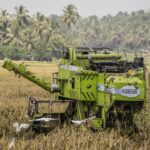
The journey of paddy begins in the lush green fields where meticulous care meets nature’s bounty.Once planted, the seedlings are nurtured with water, sunlight, and nutrients, promoting strong growth. As they mature, rice plants sway gently in the wind, ready for harvest. Farmers employ customary methods or machinery to gather the grains,ensuring minimal loss during collection. Following the harvest, the paddy undergoes immediate drying to reduce moisture levels, preventing spoilage and maintaining quality. This critical phase sets the foundation for what lies ahead as the grains prepare for their metamorphosis at processing facilities.
upon arrival at the processing plant, paddy grains enter a rigorous cleaning phase that removes impurities such as stones, dust, and othre foreign materials. Essential steps in the processing line include:
- Dehusking: The outer cover of the paddy is removed to reveal brown rice.
- Polishing: The brown rice is polished to enhance its appearance and shelf life.
- sorting: Grains are sorted for size and quality to ensure uniformity.
This meticulous approach continues with the milling process, during which the rice is further refined. The table below illustrates the key differences between various rice types produced in the processing plant:
| Rice Type | Description |
|---|---|
| Brown Rice | Whole grain with only the outer husk removed, retaining nutrients. |
| White Rice | Polished rice with the bran and germ removed, offering a softer texture. |
| Parboiled rice | Partially boiled in the husk, enhancing nutritional value and texture. |
At the end of this transformative journey, the grains emerge as high-quality edible rice, ready to be packaged and shipped to markets globally, bringing the cycle of paddy full circle.
Understanding the Milling Process: Techniques and Innovations
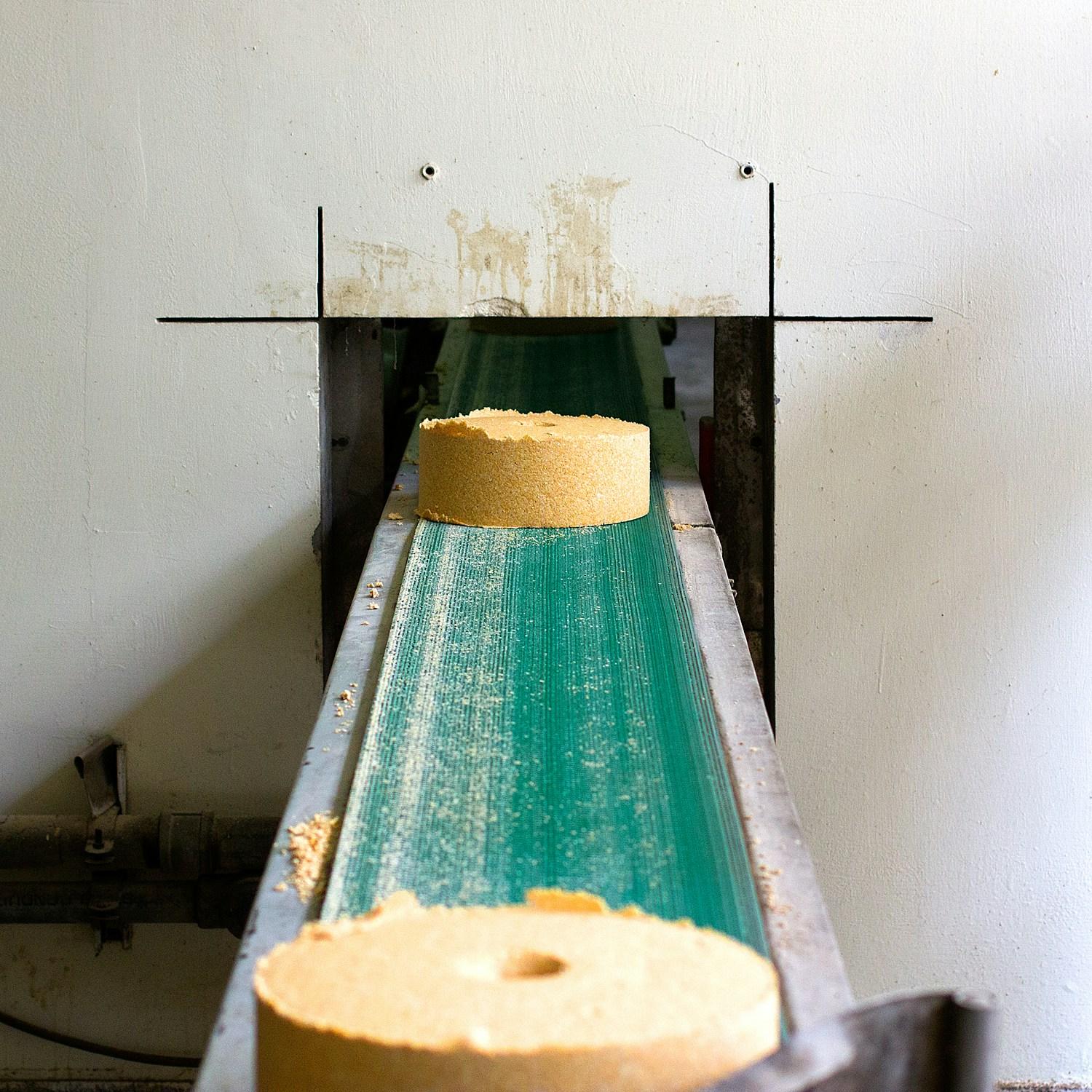
The milling process is an essential and intricate journey that begins with the arrival of paddy at processing plants.Various techniques come into play, optimizing every stage to ensure maximum yield and quality. Wet milling and dry milling stand out as two primary methods used in the industry. Each has its own set of advantages, such as wet milling’s ability to produce a finer grain texture and fewer broken kernels, while dry milling is frequently enough celebrated for its efficiency and lower energy consumption. Furthermore, the integration of automated systems and sensors enhances precision, allowing for adjustments based on real-time data regarding moisture content and grain characteristics, ensuring a consistent final product.
Innovations in milling technologies advance the efficiency of processing plants significantly. Key developments include cold milling, which minimizes the thermal degradation of grains, and high-speed impact milling, allowing for the faster processing of large quantities. In addition, green energy solutions, such as solar-powered milling, are becoming increasingly prevalent, reducing the carbon footprint of operations. The adoption of AI and machine learning for predictive maintenance further optimizes performance, ensuring that machinery operates seamlessly.as these techniques evolve, they continue transforming paddy into high-quality rice and other products, pushing the boundaries of what’s possible in grain processing.
| Technique | Advantages |
|---|---|
| Wet Milling | Fewer broken kernels,finer texture |
| Dry Milling | more energy efficient,faster |
| Cold Milling | Minimizes thermal degradation |
| High-Speed Impact Milling | Processes larger quantities quickly |
Nutritional Transformation: Enhancing Grain Quality Through Processing
In the heart of processing plants,paddy undergoes a remarkable transformation that enhances its nutritional profile and overall quality.this metamorphosis begins with the careful milling of paddy, where husks are removed to reveal the brown rice beneath. The *nutrients that emerge* during this phase are critical to supporting health and well-being. Brown rice is known for its higher fiber content, essential minerals, and vitamins compared to its white counterpart. By maintaining the bran layer, processing facilities ensure that this nutritious element is preserved, offering consumers more than just a grain but a wholesome food resource.
Moreover, various methods of processing can further improve grain quality, enhancing palatability and shelf life. Innovations such as parboiling and steaming help to fortify rice with deeper flavors while also increasing its cooking properties. The use of technology in selection and sorting also guarantees that only the highest quality grains make it to market. A few benefits of innovative grain processing include:
- Enhanced Nutritional value: Retention of vitamins and minerals.
- Improved Digestibility: De-starch processes that make grains easier to digest.
- Longer Shelf Life: Reduction of spoilage through thorough drying techniques.
to better understand the impact of various processing methods,here’s a brief comparison of typical nutrient content before and after processing:
| Grain type | Vitamins (mg per 100g) | Fiber (g per 100g) |
|---|---|---|
| Brown rice | 2.7 (B vitamin complex) | 3.5 |
| White Rice | 0.1 (minimal) | 1.0 |
Through these processes, paddy not only transforms into a staple food but also evolves into a key component of a balanced diet, offering both diverse culinary options and enhanced health benefits.
Sustainable Practices in Grain Processing: Recommendations for the Future
As the demand for sustainably sourced products continues to rise,grain processing facilities must evolve to integrate eco-amiable practices throughout their operations. Such shifts not only contribute positively to the surroundings but also enhance brand reputation and consumer trust. Here are some recommended practices to consider:
- Water Conservation: Implement advanced irrigation systems supplemented with rainwater harvesting techniques.
- Energy Efficiency: Upgrade to energy-efficient machinery and explore renewable energy sources, such as solar or wind power, for plant operations.
- Waste Reduction: Develop a comprehensive waste management strategy, emphasizing recycling and reusing by-products from processing.
- Organic Practices: Explore organic grain processing to cater to the growing market segment that prioritizes health and sustainability.
- Sustainable Packaging: use biodegradable or recyclable materials for packaging finished products,reducing the overall carbon footprint.
To further support these initiatives, establishing partnerships with local farmers can bolster the sustainability of sourcing practices. It ensures that grain is procured responsibly and supports local economies. In addition, investing in training your workforce on sustainable practices fosters a culture of eco-consciousness within the organization. A strategic approach to sustainability can be supported by data analytics,allowing facilities to monitor their environmental impact effectively and make necessary adjustments. below is a simple outline of key metrics to track:
| Metric | Importance |
|---|---|
| Water Usage | To measure conservation efforts. |
| Energy Consumption | To assess efficiency improvements. |
| Waste Generation | To evaluate waste management success. |
| Supplier Sustainability score | To ensure sustainable sourcing practices. |
to sum up
As we conclude our exploration of the intricate journey of paddy within processing plants,we are reminded of the remarkable transformation that unfolds from field to fork.Each stage of this process — from harvesting and drying to milling and packaging — highlights the dedication and innovation that drive the rice industry.
This journey not only embodies the rich heritage of agriculture but also emphasizes the crucial balancing act between efficiency and sustainability. The advances in technology and techniques have revolutionized how we approach grain processing, ensuring that we meet the growing demands of a global population while safeguarding our natural resources.the story of paddy is one of resilience and adaptability, echoing the wider narrative of humanity’s relationship with food.As consumers, we can appreciate the meticulous efforts that translate basic grains into essential sustenance. The next time you enjoy a plate of rice, take a moment to reflect on the journey it has undertaken — a journey that is as dynamic as it is vital.