
In an era where sustainability and efficiency reign supreme,the agricultural industry is witnessing a remarkable transformation,particularly in the realm of rice production. Rice, a staple food for over half the world’s population, holds a pivotal role in global food security and economic stability. Yet, behind its journey from paddy fields to our dining tables lies a crucial process frequently enough overlooked: milling. Enter the rice milling units—dynamic hubs of innovation and technology that refine raw grains into consumable rice. In this article, we peel back the layers of these essential facilities, unveiling the secrets of their operations and the cutting-edge practices that distinguish the efficient from the inefficient. Join us on a journey to explore how modern milling techniques not only enhance grain quality but also contribute to sustainable agricultural practices, ensuring that the grains we cherish are milled with precision and care.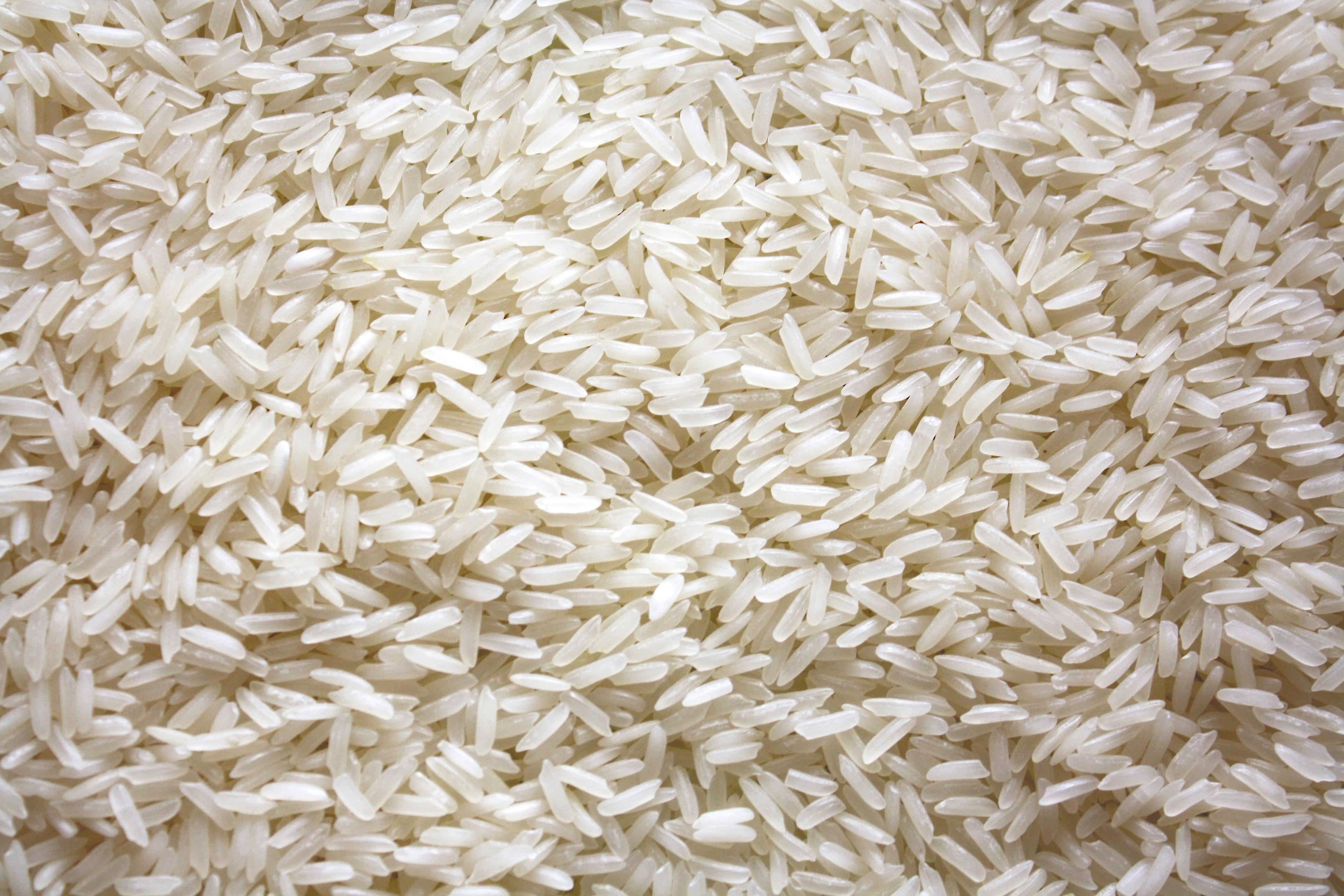
Understanding the Fundamentals of Rice Milling Technology
The art of transforming paddy into milled rice is anchored in the principles of milling technology, which dictates the efficiency and quality of the end product. At its core, rice milling involves several distinct processes, each requiring careful calibration and precision. Essential to this transformation are the paddy separators, husking machines, and whitening units, which collectively strip away the inedible parts of the grain while minimizing damage to the precious kernels. An efficient setup involves the integration of these components, allowing for a seamless flow from one stage to the next. Key factors influencing milling performance include the choice of machinery, moisture content of paddy, and operational speeds, all of which must be fine-tuned for optimal yield.
Understanding the dynamics of rice milling technology also entails a grasp of the different types of milling systems available. These can range from customary, gravity-based setups to advanced, fully automatic installations featuring digital monitoring and control systems. The following aspects are critical when evaluating milling technology:
- Capacity: The volume of rice processed per hour.
- Energy Efficiency: The amount of energy consumed in relation to output.
- Maintenance: Easy access and upkeep of machinery.
- Quality of Output: The amount of whole grains produced versus broken grains.
Investing in the right milling technology can led to significant improvements in productivity and product quality. The table below summarizes the two primary milling systems:
| System Type | Features | Advantages |
|---|---|---|
| Traditional | Manual operation; Gravity-assisted | Lower initial cost; Simplicity |
| Modern | Automated; Real-time feedback | higher efficiency; Better yield |

Optimizing Machinery for Enhanced Performance and Durability
Optimizing the performance and longevity of rice milling units involves a multifaceted approach that integrates advanced technology and regular maintenance practices. investing in high-quality components—particularly for the hulling, whitening, and polishing stages—ensures smoother operation and less wear and tear. Additionally, calibrating and fine-tuning operational parameters can significantly enhance energy efficiency while maintaining product quality. Elements such as the speed of milling, moisture content, and grain feed rate must be analyzed and adjusted regularly to align with the specific characteristics of the rice varieties being processed.
Regular maintenance checks are crucial in prolonging the lifespan of machinery. Implementation of preventive maintenance schedules can minimize unexpected downtimes and costly repairs. Key practices include:
- Daily Inspections: Check for wear on belts,rollers,and grinding stones.
- Lubrication: Proper lubrication of moving parts reduces friction and heat buildup, essential for machinery longevity.
- Calibration: Regularly calibrate milling settings to optimize yield and minimize waste.
Moreover, leveraging state-of-the-art technologies such as sensors and monitoring systems allows operators to analyze real-time data. Such data-driven approaches can predict maintenance needs and operational inefficiencies, thereby ensuring consistent performance.
| component | Optimization Technique | Benefit |
|---|---|---|
| Hulling Machine | Variable Speed Control | Improved grain integrity |
| Whitening Chamber | Fine Adjustment Mechanism | Enhanced polishing with less damage |
| Dust Separator | regular Cleaning & Inspection | Increased efficiency and air quality |
Best Practices for Quality Control in Rice Processing
Implementing effective quality control measures in rice processing involves monitoring each stage of production to ensure that the final product meets industry standards. Regular testing of raw materials, intermediate products, and finished rice is crucial. Simple methods like moisture content tests and visual inspections can definitely help identify potential issues before they escalate. Incorporating automated systems for grading and sorting can also enhance the consistency of quality, allowing for immediate corrective measures to be taken when irregularities are detected.
Another pivotal aspect of quality control is staff training. Ensuring that employees are well-versed in quality assurance practices can lead to improved outcomes.Regular training sessions can equip workers with the knowledge needed to identify defects and adhere to operational standards. Additionally, establishing maintenance schedules for milling equipment can prevent breakdowns that affect product quality.The following table outlines key quality control practices to incorporate in rice milling units:
| Quality control Practice | Frequency | Purpose |
|---|---|---|
| Raw Material Testing | Every batch | Ensure quality of input |
| Intermediate Inspection | Hourly | Monitor processing efficiency |
| Final Product Sampling | Daily | Confirm product meets specs |
| Equipment Calibration | Monthly | Maintain operational accuracy |
| Staff Training | Quarterly | Enhance quality awareness |
Sustainable Approaches to Energy Management in Milling Operations
In today’s competitive landscape, milling operations are recognizing the necessity of integrating eco-amiable methodologies to enhance their energy efficiency. Key strategies focus on leveraging renewable energy sources, such as solar and biomass, which not only reduce reliance on conventional power grids but also lower operational costs. By installing solar panels, rice mills can harness natural sunlight during peak energy demand hours, ensuring a sustainable energy supply. Moreover, utilizing biomass waste generated during the milling process itself can create a closed-loop system where waste products serve as an energy resource, significantly minimizing the carbon footprint.
Moreover, implementing advanced technologies such as smart sensors and automated systems enhances the energy management of milling units. These innovative tools optimize energy use by monitoring machinery performance in real-time and adjusting processes accordingly. As a notable example, adopting energy-efficient milling machinery can reduce power consumption while maximizing output.Adding to this, regular maintenance and staff training on efficient practices can lead to significant energy savings. The tables below summarize some of the technologies and strategies that can further improve energy management in rice milling:
| Technology/Strategy | Benefits |
|---|---|
| Solar Energy Systems | Reduces electricity costs and reliance on fossil fuels. |
| Biomass Utilization | Converts waste into energy, promoting sustainability. |
| Smart Sensors | Real-time monitoring cuts down energy waste. |
| Energy-Efficient Machinery | Maximizes output while minimizing energy use. |
| Staff Training | Enhances operation efficiency and promotes energy-conscious behaviors. |
Closing Remarks
As we draw the curtain on our exploration of efficient rice milling units, it becomes clear that the art and science of rice processing are intertwined, each element playing a vital role in the journey from paddy to plate. We’ve unearthed insights that not only reveal the intricate mechanisms behind these units but also highlight the profound impact they have on productivity, sustainability, and ultimately, the livelihoods of countless farmers and communities.
In a world increasingly driven by innovation, embracing modern milling techniques can bridge the gap between tradition and technological advancement, ensuring that rice remains a staple food for generations to come. As we stand on the threshold of a new era in agriculture, the secrets unveiled within this article serve as a compass guiding us toward efficiencies that are not just beneficial, but essential.
With each grain polished and every kernel preserved, the evolution of rice milling units symbolizes a commitment to quality and resilience. It reminds us that in our quest for efficiency, we must also nurture the roots of our heritage. As we look forward, let us continue to explore, innovate, and refine, ensuring that the secrets of rice milling propel us into a sustainable future, where everyone shares in the bounty of this ancient staple.



