Harvesting Value: the Art and science of Corn Processing
In the expansive fields where golden cornstalks sway gently in the breeze, a remarkable transformation occurs—one that transcends mere agriculture and enters the realm of innovation. Corn, frequently enough regarded as a humble staple, is a powerhouse of versatility, found at the heart of numerous industries ranging from food production to biofuels. As the sun sets on the harvesting season, the journey of corn extends far beyond the farm, unlocking a potential that seamlessly blends art and science. This article delves into the meticulous processes involved in corn processing, exploring how this ancient grain is reimagined into a multitude of value-added products. From the intricacies of milling to the precision of fermentation, we will uncover the techniques and technologies that not only maximize yield but also celebrate the intrinsic qualities of corn. Join us as we embark on a journey through the transformative world of corn processing, illuminating the delicate balance between nature’s bounty and human ingenuity.

Understanding the Complex Journey from Field to Food
The journey of transforming corn from field to food is a multifaceted process that combines customary agricultural practices wiht cutting-edge technology. Every step is meticulously planned, from the moment seeds are sown until the final product reaches consumers.Some key stages in this journey include:
- Planting and Cultivation: Selecting the right corn varieties and using soil health management techniques.
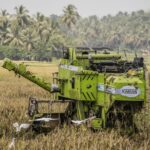
- Harvesting: Timing is critical; corn must be harvested when its kernels reach optimal moisture content.
- Transportation: Moving the harvested corn to processing facilities while maintaining its quality.
Once at the processing facility, the corn embarks on the next phase of its transformative journey. advanced processes such as grinding,fermentation,and drying are employed to maximize the nutritional value and usability of corn.Factors that influence this part of the process include:
- Quality Control: Inspections ensure that only the finest corn is processed.
- Technology: Innovations in processing equipment streamline production and enhance efficiency.
- Sustainability Practices: Reducing waste and utilizing by-products contribute to a more enduring food system.
The table below summarizes the various uses of processed corn:
| Processing Method | Product |
|---|---|
| Wet milling | Corn syrup |
| Dry milling | Cornmeal |
| Fermentation | Ethyl alcohol |

Innovative Techniques in Corn Processing for Enhanced Quality
In the ever-evolving landscape of agricultural technology, corn processing has seen remarkable advancements that not only bolster efficiency but also elevate product quality. Among these, dry milling stands out as a method that maximizes the utility of every kernel, transforming it into a variety of high-value products such as cornmeal, corn syrup, and ethanol. Innovations such as high-temperature short-time (HTST) systems have redefined how corn is treated, leading to greater nutrient retention and enhanced flavor profiles. This technique minimizes processing time while ensuring that temperature-controlled environments maintain the integrity of the corn’s natural components.
Additionally, the implementation of enzyme technology in wet milling processes has revolutionized yield outputs.By utilizing specific enzymes,processors can break down starches more efficiently,resulting in higher levels of sugar extraction and improved product consistency. The adoption of ultrasonic and microwave-assisted extraction techniques further enhances extraction rates, achieving higher concentrations of valuable compounds while preserving their functional attributes. The following table illustrates the differences in processing techniques and their respective impact on product quality:
| Processing Technique | Impact on quality |
|---|---|
| Dry Milling | Maximized utility, varied product forms |
| HTST Systems | Flavor enhancement, nutrient retention |
| Enzyme Technology | higher sugar extraction, consistency in products |
| Ultrasonic Extraction | Improved extraction rates, preserved quality |

Nutritional Benefits of Corn and Its Diverse Uses
Corn, frequently enough referred to as “maize,” is not just a staple food item; it is indeed a nutritional powerhouse that offers a myriad of health benefits. Rich in carbohydrates, corn provides a swift source of energy, making it an excellent choice for active individuals. This vibrant grain is also a good source of dietary fiber, which aids in digestion and contributes to a feeling of fullness, potentially assisting in weight management. Beyond its energy and fiber content, corn is enriched with essential vitamins and minerals such as vitamin B6, folate, and magnesium, which play vital roles in metabolic processes and overall well-being. Furthermore, corn contains antioxidants like lutein and zeaxanthin, which are beneficial for eye health by reducing the risk of age-related macular degeneration.
The versatility of corn extends far beyond the dinner plate, finding its way into an array of culinary and industrial applications. In its various forms—such as cornmeal, popcorn, and corn syrup—this grain lends itself to both savory and sweet dishes. Here are some of the diverse uses of corn:
- Food Products: Corn tortillas, polenta, and cornbread
- Beverages: Corn whiskey, sweet corn juice
- Industrial Uses: Biofuels, biodegradable plastics
- Animal Feed: Nutritionally rich fodder for livestock
Moreover, the maize plant’s leaves and stalks can be utilized in crafting biodegradable packaging and goods, showcasing its strength in sustainability. The table below highlights how different corn products compare in terms of nutritional value:
| Product | Calories (per 100g) | Protein (g) | Carbohydrates (g) | Fiber (g) |
|---|---|---|---|---|
| Corn Kernel | 86 | 3.2 | 19.0 | 2.4 |
| popcorn | 387 | 12.9 | 78.9 | 15.5 |
| Cornmeal | 365 | 9.0 | 76.9 | 7.3 |

sustainable Practices in Corn Harvesting and processing
In the realm of corn harvesting and processing, sustainable practices are redefining traditional methodologies and championing environmental stewardship. Farmers are increasingly adopting precision agriculture technologies, which enable them to monitor crop health and soil conditions through real-time data analysis. By utilizing drone technology and soil sensors, growers can apply water, fertilizers, and pesticides more efficiently, minimizing waste and reducing their environmental footprint. Moreover, employing cover crops and crop rotation not only preserves soil health but also enhances biodiversity, leading to a resilient agro-ecosystem that can withstand the challenges of climate change.
Processing corn sustainably involves innovative approaches that prioritize both efficiency and waste reduction. The use of biotechnological advancements allows for the creation of biofuels and bioplastics from corn by-products, thus promoting a circular economy. Local processing facilities are also emerging, which can reduce transportation emissions and support regional economies. Key practices include:
- Water Recycling: Implementing water conservation systems during corn processing.
- Energy Efficiency: Utilizing renewable energy sources like solar or wind to power processing plants.
- Waste Minimization: converting leftover materials into animal feed or compost.
| Practice | Benefit |
|---|---|
| Precision Agriculture | Reduces resource waste |
| Cover Cropping | Enhances soil health |
| Local Processing | Supports local economies |
Key Takeaways
the intricate dance of corn processing—an elegant fusion of art and science—reveals a world where tradition meets innovation. From the moment the golden kernels are harvested to the final product that graces our tables, every step embodies a commitment to quality and sustainability.The alchemy of this versatile grain transforms it into a myriad of forms, contributing to diverse culinary experiences and essential industrial applications alike. As we navigate the complexities of modern agriculture, it becomes evident that understanding and refining these processes will not only enhance the value we derive from corn but also empower us to appreciate its journey from field to fork. In embracing both the artistry and the methodology behind corn processing, we celebrate not just a staple of our diets, but an essential thread woven into the fabric of our culture and economy.So, as we reflect on the multifaceted world of corn, let us continue to explore, innovate, and honor this remarkable grain that has sustained generations and will shape futures yet to come.