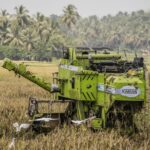
streamlining Harvests: Innovations in Rice Machinery
In the vast tapestry of agricultural advancement,few crops hold as much importance as rice,a staple that feeds nearly half of the world’s population. As demand for this essential grain continues to rise, so too does the need for more efficient harvesting methods. Enter the realm of rice machinery—where tradition meets innovation in an effort to bridge the gap between age-old farming practices and the high-tech tools of the future.In this article, we explore the cutting-edge developments that are transforming the way rice is harvested, from automated combines that navigate fields with precision to smart irrigation systems that optimize water usage. As we delve into these advancements, we will uncover how modern machinery not only enhances productivity but also supports sustainability, ensuring that this vital crop can thrive amid the challenges of climate change and growing global populations. Join us as we investigate the latest innovations driving the future of rice harvesting, paving the way for a more efficient and resilient agricultural landscape.

Revolutionizing Efficiency with Precision Harvesters
Recent advancements in precision harvesters are transforming the landscape of rice cultivation, making the process faster, more efficient, and environmentally pleasant. These cutting-edge machines are equipped with state-of-the-art technology that allows farmers to monitor crop health and yield in real-time,which helps in making informed decisions for harvesting. The integration of features such as GPS tracking and automated systems enables these harvesters to operate with pinpoint accuracy, reducing waste and ensuring that farmers get the most out of their fields. This technological shift not only increases productivity but also minimizes the labor demand, allowing for optimal resource allocation.
Additionally, the sustainability aspect of precision harvesters cannot be overlooked. By employing advanced algorithms and machine learning techniques, these harvesters can accurately estimate the ideal harvesting time, reducing the chances of crop loss due to over-ripening or pest infestations. Moreover, many modern harvesters are designed to be energy-efficient and can operate on renewable energy sources, contributing to a greener agricultural sector. Consequently, farmers are witnessing significant improvements in yield while also promoting sustainable farming practices.

Integrating Smart technology for Optimal Yield Management
Integrating smart technology into rice farming not only optimizes yield but also paves the way for sustainable agricultural practices. modern tools like drones and IoT sensors enable farmers to monitor field conditions in real-time, ensuring that water, nutrient, and pest management are addressed proactively. This reduces waste and enhances productivity by allowing farmers to make informed decisions based on concrete data.Key benefits include:
- Precision Farming: Targeted applications of water and fertilizers based on actual crop needs.
- Data-Driven Insights: Analytics derived from collected data aid in forecasting and planning.
- Automated Machinery: Equipment that adjusts operational parameters for maximal efficiency.
The incorporation of AI-driven algorithms into harvesting machinery has transformed traditional practices. These machines can analyze crop density and health, adjusting their operations on-the-go for optimal performance.Such as, smart combine harvesters have built-in features that allow them to vary cutting height and speed based on real-time crop conditions, ensuring minimal loss during harvest. Below is a simplified comparison of traditional vs. smart harvesting techniques:
| Traditional Harvesting | Smart Harvesting |
|---|---|
| Fixed machinery settings | Dynamic adjustments based on real-time data |
| manual monitoring | IoT sensors for automated observations |
| higher crop loss potential | Minimized losses through precise handling |
Sustainable Practices through Advanced Rice Processing Equipment
Integrating advanced rice processing equipment into agricultural practices has substantially enhanced sustainability efforts within the industry.By utilizing state-of-the-art machinery, farmers can achieve higher efficiency while minimizing environmental impact. This is accomplished through innovations such as:
- Precision Technology: Modern rice processors utilize sensors and automation to optimize inputs, reducing waste and lowering carbon footprints.
- Energy-Efficient Designs: Equipment now features energy-saving mechanisms, allowing for lower energy consumption during production and less reliance on fossil fuels.
- Waste Minimization: advanced processing techniques enable the by-products of rice milling to be repurposed for animal feed or biofuel, contributing to a circular economy.
Moreover, the introduction of sustainable materials in manufacturing these machines further exemplifies the commitment to eco-friendly practices. Manufacturers are increasingly opting for recyclable materials, lessening the overall ecological footprint of their machinery. A comparative analysis of traditional and advanced processing equipment highlights the accountable reductions in resource use, illustrated below:
| Aspect | Traditional Equipment | Advanced Equipment |
|---|---|---|
| Energy Use | High | Low |
| Resource Wastage | Significant | Minimal |
| Recyclability | Limited | High |
Enhancing Labor Productivity with Ergonomic Design Innovations
As the agricultural sector continues to evolve, the integration of ergonomic design in rice machinery serves as a crucial factor in enhancing worker efficiency and overall productivity. By focusing on the physical interaction between workers and their tools, designers are creating machines that reduce strain and fatigue during long hours in the fields. Innovations such as adjustable seating,intuitive control systems,and easy-to-navigate interfaces empower operators to perform their tasks with greater ease and comfort. These design enhancements not only improve the operator experience but also contribute to minimizing the risk of injury, which can significantly impact labor output and morale.
Incorporating ergonomic principles into the design of rice harvesting equipment has resulted in several pioneering features that streamline harvesting processes. This includes the development of lightweight materials that ensure ease of mobility and transport, and vibration-reducing technology that allows machines to operate smoothly over uneven terrain. Furthermore, these machines are equipped with automated functions that facilitate operational efficiency, allowing workers to focus on quality control rather than simply managing machinery. As a testament to these advancements, check the table below, which showcases selected innovations and their benefits:
| Innovation | Benefit |
|---|---|
| Ergonomic Seat Design | Reduces physical strain during operation |
| Intelligent Navigation Systems | Enhances operator control and efficiency |
| Automated Harvest Settings | Improves speed and accuracy of harvesting |
The Conclusion
In a world where food security is an ever-pressing challenge, the advancements in rice machinery represent a beacon of hope for farmers and communities alike. As we have explored throughout this article, the integration of innovative technologies—from precision planting and automated harvesting to real-time data analysis—has the potential to transform traditional agricultural practices and increase yields. These developments not only promote efficiency but also encourage sustainable farming,paving the way for a more resilient agricultural landscape.
As the journey of streamlining harvests continues,it is crucial to recognize that the future of rice production rests not solely on machinery but also on the knowledge and adaptability of farmers who wield it.By embracing these innovations, we can usher in a new era of agricultural practices that honor the past while looking toward a more sustainable and productive future.
In closing, the harmony between tradition and innovation will forge a path forward, ensuring that rice—a staple food for billions—can be harvested with greater efficiency, sustainability, and care. The promise of these advancements is not only a testament to human ingenuity but also a critical step towards nurturing our planet and its people. As we look ahead, the rice fields of tomorrow may very well blossom into a vibrant tapestry of progress, resilience, and abundance.