
From Grain to Gold: The Art of Maize Milling Uncovered
In the heart of countless cultures lies a timeless staple,the golden grain that has nourished generations: maize. From ancient civilizations that revered it as a gift from the gods to bustling modern markets where its versatility reigns supreme, maize has woven itself into the very fabric of human existence. Yet, the journey from the field to the table is a nuanced craft, an intricate dance of tradition and innovation known as maize milling. This article takes you on a captivating exploration of this age-old art, unraveling the processes and techniques that transform humble kernels into a variety of culinary treasures.As we delve into the world of maize milling, we’ll uncover not just the methods behind the magic, but also the cultural significance and economic impact that this essential practice continues to have around the globe.Join us as we demystify the alchemy of grain into gold, revealing the rich tapestry of history and skill that lies behind this essential industry.
Exploring the Historical Significance of Maize Milling
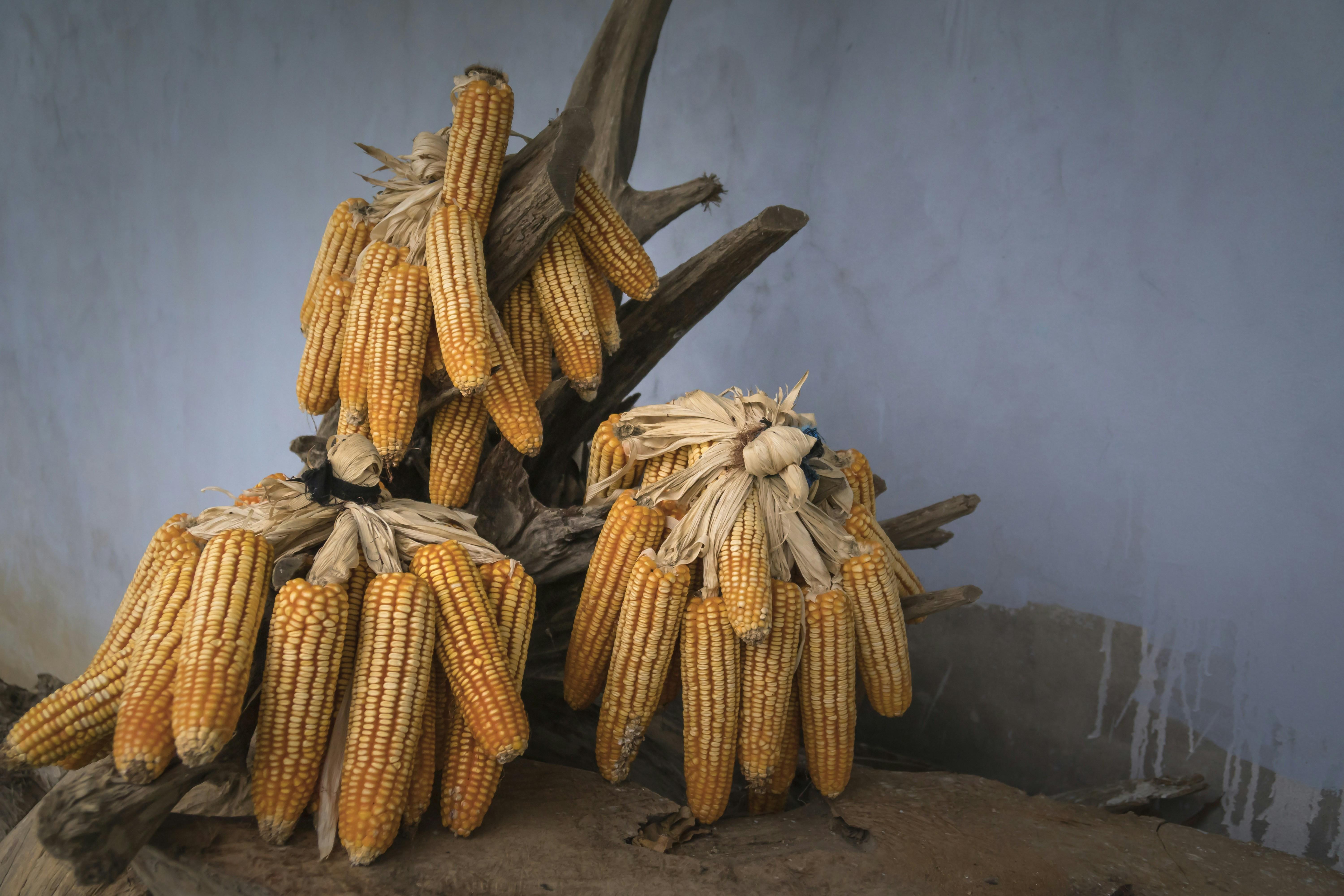
The journey of maize milling is steeped in history, marking a meaningful evolution in agricultural practices and human civilization. As civilizations transitioned from nomadic lifestyles to settled farming communities, the efficient processing of maize became pivotal. This versatile grain, native to Mesoamerica, served not only as a staple food but also as a cultural symbol. The art of milling transformed maize from a raw commodity into a variety of consumable forms, fueling populations and influencing culinary traditions across continents. Notably, the introduction of the water mill during the medieval period revolutionized the milling process, enhancing productivity and paving the way for modern techniques.
Furthermore, the social and economic implications of maize milling cannot be overstated. Regions rich in this crop experienced significant advancements, including trade expansion and community growth. The ability to produce fine meals, grits, and corn flour facilitated not only local consumption but also international trade routes. In many cultures, maize milling became a communal endeavor, promoting social cohesion and shared practices.This symbiosis of agriculture and community life underscores the historic importance of maize, illustrating how a simple grain can foster economic prosperity and cultural exchange.Here are some significant aspects to consider:
- Cultural Impact: Introduced unique dishes and culinary practices.
- Economic Growth: Boosted local and regional economies through trade.
- Technological Advances: Innovative milling techniques increased yield and efficiency.
| Era | Significant Development |
|---|---|
| Pre-Columbian | Traditional stone grinding techniques |
| Medieval | Introduction of water-powered mills |
| Industrial Revolution | Mechanization of milling processes |
Understanding the Milling Process: from Kernel to Flour
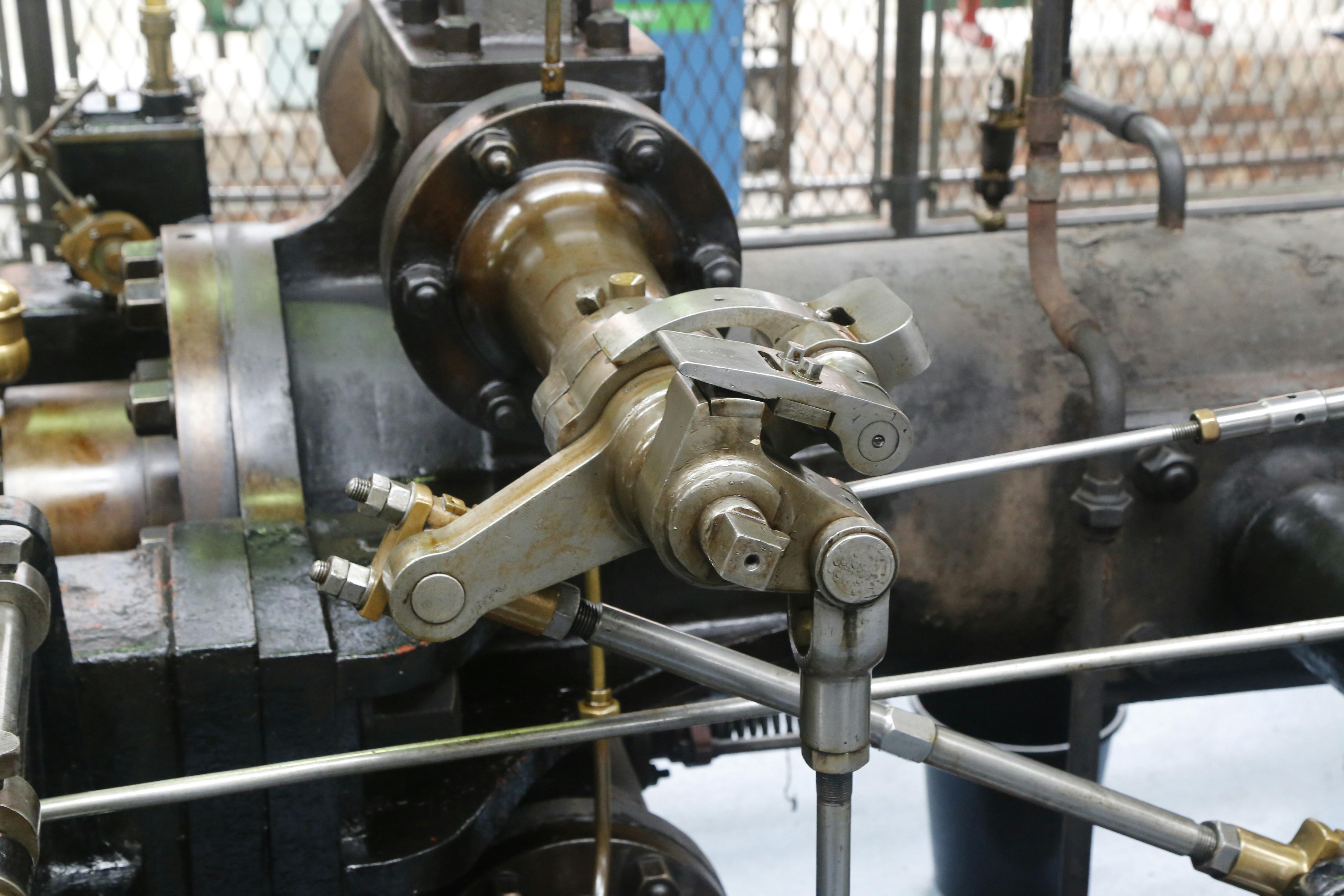
The journey from maize kernel to flour is a remarkable conversion that combines traditional techniques wiht modern efficiency. At the heart of this process lies the milling machine, which serves as the bridge between the whole grain and the fine flour we use in our kitchens. the maize undergoes several key steps: cleaning, conditioning, grinding, and sifting. Each stage plays a crucial role in ensuring the quality and nutritional value of the final product. It begins with cleaning, where impurities and foreign materials are meticulously removed, preparing the kernels for optimal processing. Following this, conditioning involves adjusting the moisture content, enhancing the milling efficiency by making it easier to break down the hard outer layers of the grain.
Once the maize is properly conditioned, the milling phase begins, which is where the real magic happens. Utilizing a blend of impact and friction,the grinding process converts the kernels into flour,producing various textures from coarse meal to fine flour. The resulting flour is then sifted through fine screens, allowing for uniformity in particle size and quality. The entire process encapsulates a fusion of science and artistry, where the skilled miller must understand the nuances of grain characteristics, flour usage, and customer preferences. Below is a quick overview of the milling stages:
| Stage | Description |
|---|---|
| Cleaning | Removing impurities from the kernels. |
| Conditioning | Moisture adjustment for better milling. |
| Grinding | Breaking down the kernels into flour. |
| Sifting | Ensuring uniform particle size and quality. |

Unlocking Nutritional Benefits: The Importance of Quality in Maize Products
Quality is a cornerstone of maximizing the nutritional benefits of maize products. The milling process, which transforms raw maize into a usable form, plays a pivotal role in determining the final product’s health attributes. By focusing on quality at every stage—from seed selection to post-processing—producers can ensure that essential nutrients such as fiber, vitamins, and minerals are preserved. High-quality maize products boast a superior nutrient profile, which not only supports personal health but also enhances culinary versatility.
Additionally, the method of milling can profoundly influence the nutritional integrity of maize. Traditional stone milling, for example, retains more of the grain’s natural oils and nutrients compared to industrial methods that often involve high heat and extensive refining. As a result, consumers are encouraged to seek out products that highlight their milling processes and sourcing practices. Consider the following advantages of choosing premium maize products:
- Enhanced Taste: Freshly milled maize typically offers richer flavors.
- Better Digestibility: Whole grain options provide essential fiber, aiding digestion.
- Reduced Processing additives: Quality products frequently enough contain fewer preservatives and artificial ingredients.
By prioritizing quality,eaters not only contribute to better health but also support sustainable farming practices and local economies.
Sustainable Practices in Maize Milling: Enhancing Efficiency and Reducing Waste
In the world of maize milling,adopting sustainable practices is essential not only for ecological balance but also for enhancing operational efficiency. By implementing techniques such as water recycling and energy-efficient machinery, milling facilities can considerably decrease their environmental footprint. These practices facilitate the optimum use of resources, ensuring that every kernel is utilized to its fullest potential. Additionally, integrating solar power systems provides renewable energy sources, while utilizing by-products for animal feed can minimize waste and create additional revenue streams. The following strategies illustrate effective ways to enhance sustainability:
- Utilizing by-products: Repurpose bran and germ for health products.
- Low-energy milling techniques: employ innovative milling technology that consumes less power.
- Waste management: Set up a system for the efficient disposal or repurposing of waste materials.
- Eco-kind packaging: use biodegradable materials for packaging products.
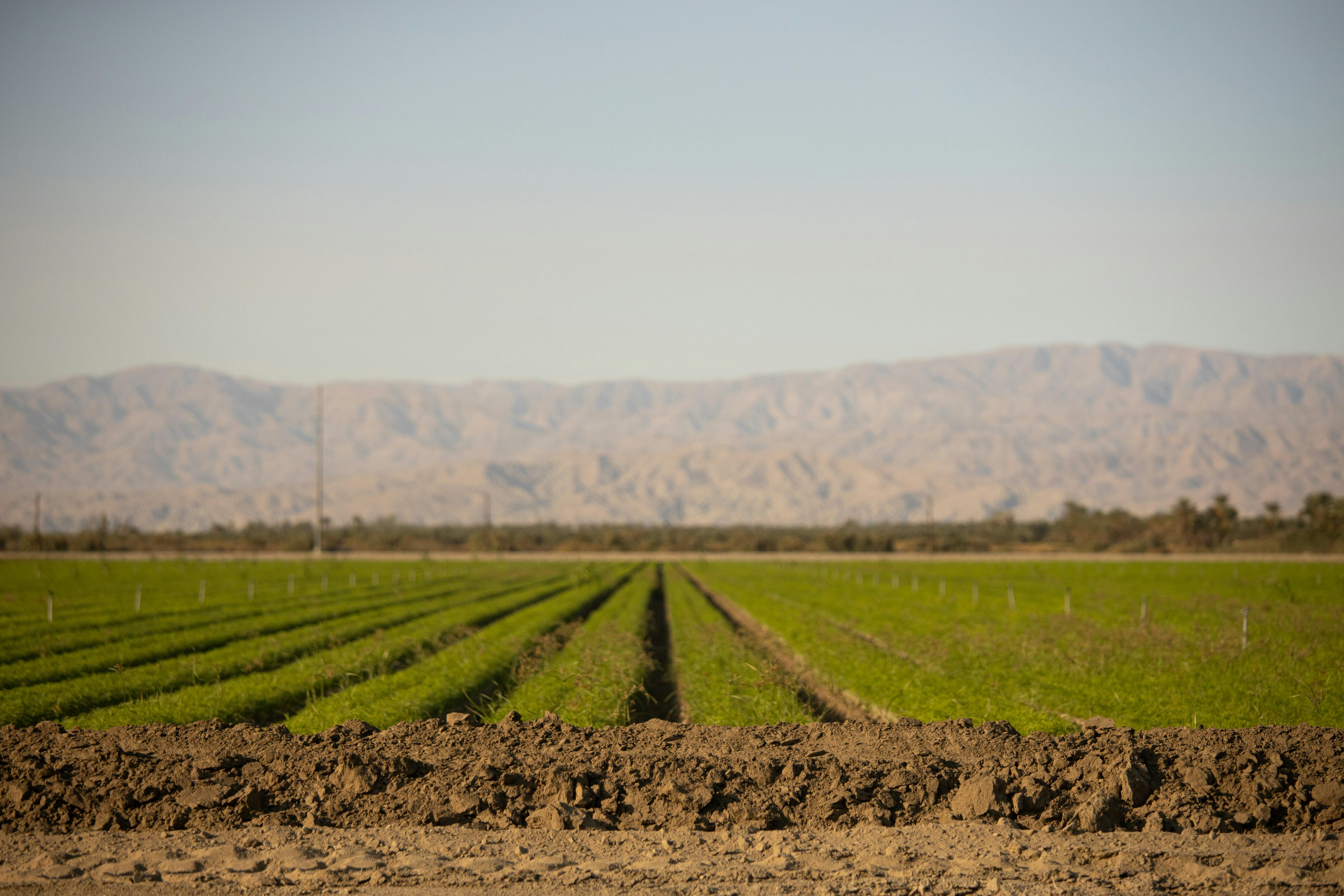
Furthermore, the adoption of precision agriculture techniques can drastically improve maize yield while reducing resource use. Farmers can utilize technologies such as GPS mapping and drone surveillance to monitor crop health and growth patterns, resulting in a more productive harvest. As milling companies source maize, employing ethical procurement practices that prioritize locally grown crops strengthens community ties and bolsters local economies. These approaches not only enhance the quality of processed maize but also promote a cycle of sustainability that benefits both the industry and the surroundings. Below is a quick overview of the benefits of sustainable maize milling:
| benefit | Description |
|---|---|
| Reduced Energy Consumption | Implementing energy-efficient technologies lowers utility costs. |
| Minimal Waste Production | By-products are reused,enhancing overall efficiency. |
| Improved Product Quality | High-quality grains lead to better milling outcomes. |
| Positive Community Impact | Support of local farmers contributes to economic growth. |
In Summary
As we draw the curtain on our exploration of ”From Grain to gold: The Art of Maize Milling Uncovered,” it becomes clear that this intricate process is more than just a transformation of simple kernels into flour. It’s a delicate dance of tradition, innovation, and craftsmanship that honors both the history of maize cultivation and the ever-evolving demands of the modern world.
From the hum of machinery to the meticulous attention of millers who dedicate their lives to perfecting the grind,each step is a testament to the resilience and creativity of those who have perfected this craft over generations. As we step back, we are reminded that the journey of maize is not merely one of sustenance; it embodies cultural heritage, economic vitality, and sustainability.
As you carry this knowledge forward, consider the story behind every morsel of maize meal and the artistry involved in its creation. In a world where the ties between food and life are more important than ever, let’s celebrate the unsung heroes of milling who have helped shape not just our diets, but also our communities and cultures. every grain holds a story waiting to be uncovered and every meal represents a connection to the land and to each other.



