
In the verdant fields where rice paddies sway gently in the breeze, the longstanding traditions of harvest have begun too intertwine with modern innovation. As the world confronts the challenges of feeding a burgeoning population and adapting to shifting climatic conditions, the agricultural sector stands at a pivotal juncture.Enter the realm of paddy processing machines—ingenious inventions designed to enhance efficiency,reduce labor,and elevate the quality of rice production. These machines promise to revolutionize harvests, transforming the time-honored practices of farming into an era of mechanized precision and sustainability. In this article, we will explore how these advancements not only streamline the paddy processing journey but also contribute to the economic vitality of rural communities, ensuring that the essential grain of life continues to flourish in the face of modern challenges.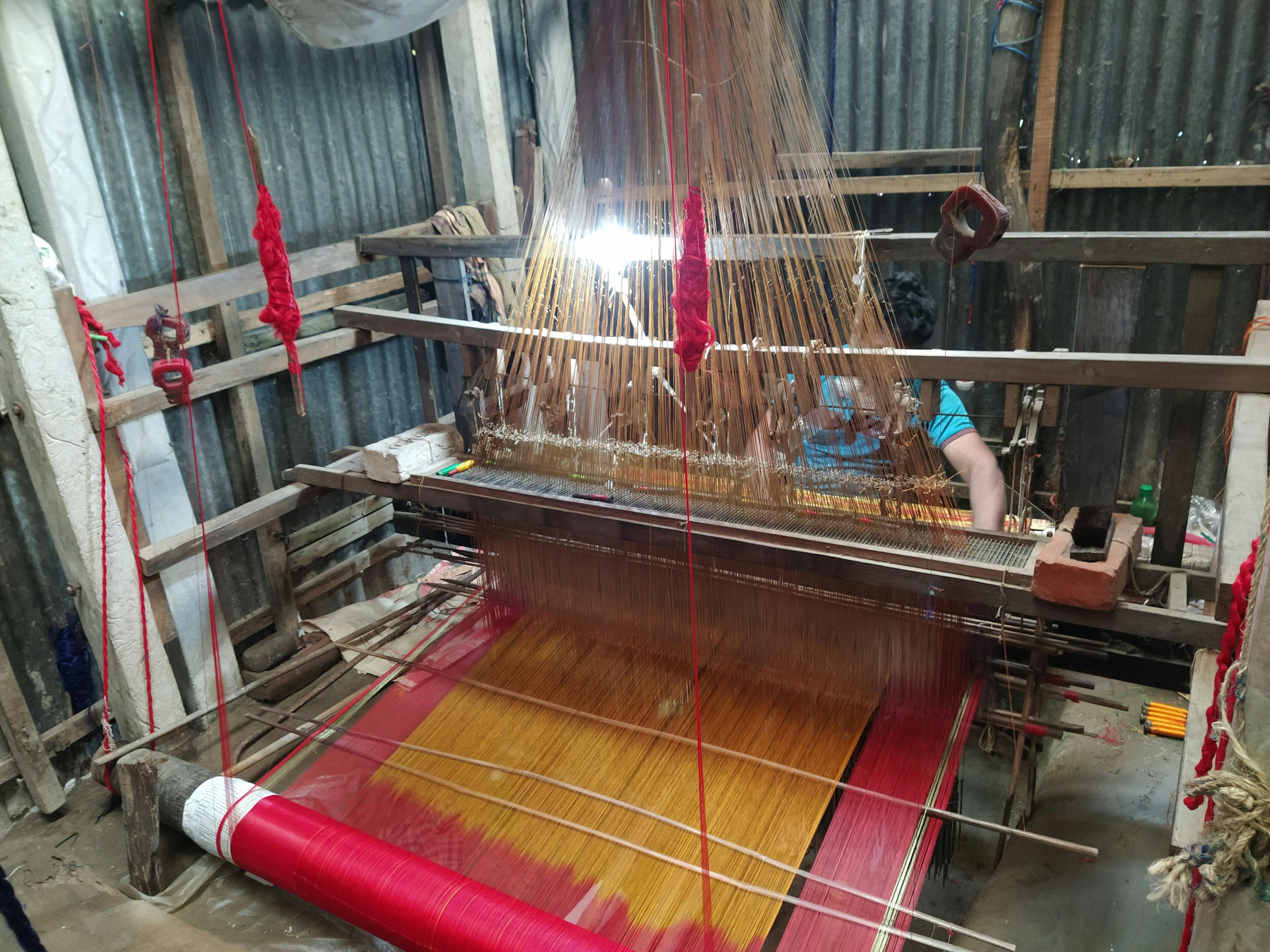
advancements in Paddy Processing Technology Enhancing Efficiency
the landscape of paddy processing has undergone a remarkable transformation, driven by innovative technology designed to improve efficiency and yield. Modern machines equipped with advanced features not only reduce manual labor but also optimize the utilization of resources. Some key advancements include:
- Automated Milling Systems: these systems streamline the entire milling process, reducing time and increasing production rates considerably.
- Precision Sorters: Enhanced sorting machines utilize infrared sensors to detect and separate impurities, ensuring higher-quality output.
- Integrated Drying Solutions: New drying technologies maintain the nutritional quality of paddy while effectively handling large volumes more consistently.
Moreover, the introduction of data analytics in paddy processing helps farmers make informed decisions based on real-time data regarding moisture levels and yield forecasts. This integration of smart technology has led to an uptick in productivity across farms and processing units. A summary of the latest advancements can be highlighted in the table below:
| Technology | Benefits |
|---|---|
| Automated Milling | Increased speed and reduced labor costs |
| Precision sorting | Higher quality rice with fewer impurities |
| Smart Drying | Maintains nutritional integrity, efficient energy use |

Sustainability in Rice Production Through Modern Machinery
The advancement of technology in paddy processing presents an possibility to enhance sustainability in rice production while also boosting efficiency. Modern machinery plays a crucial role in optimizing various stages of cultivation, from planting to harvesting. By employing equipment such as precision seeders and automated harvesters, farmers can minimize waste and reduce their environmental footprint. The integration of these machines allows for more accurate planting, which not only ensures a higher yield but also conserves resources like water and fertilizers.
Furthermore, the implementation of eco-pleasant practices is supported by advanced paddy processing machines that promote better energy efficiency and waste management. These innovations facilitate the use of biological waste for energy generation, creating a circular economy within rice farming.Notably, the adoption of such machinery leads to notable reductions in greenhouse gas emissions and soil degradation. Here are a few key benefits associated with modern machinery in rice production:
- Water conservation: Advanced irrigation systems reduce water usage by delivering precise amounts to crops.
- Soil Health: Minimal tillage practices preserve soil structure and improve biodiversity.
- Reduced labor Input: Automation decreases the need for manual labor, enhancing productivity and allowing farmers to focus on more sustainable practices.
| Aspect | Before Modern Machinery | after Modern machinery |
|---|---|---|
| Crop Yield | Lower due to inconsistent planting | Higher with precision techniques |
| Resource Usage | High water and fertilizer waste | Optimized inputs and reduced waste |
| Environmental Impact | Higher carbon emissions, soil degradation | Lower emissions, improved soil health |
Economic Implications for Farmers and Local Communities
The advent of paddy processing machines is poised to significantly transform the economic landscape for farmers and local communities. With enhanced efficiency in processing rice, these machines reduce the time and labor typically associated with conventional harvesting methods. Consequently, farmers can increase their output and profitability, which directly impacts their purchasing power and investment capabilities. The ability to process paddy more swiftly not only allows farmers to respond quickly to market demands but also enables them to cultivate larger areas, contributing to food security and sustainability.
Furthermore, local communities stand to benefit remarkably through the proliferation of paddy processing units. These machines foster job creation at multiple levels as they require skilled operators, maintenance staff, and additional workers for logistics and distribution. The boost in local employment opportunities encourages economic interdependence within the community, leading to an uplift in standard of living. Additionally, as farmers and local processors see increased revenues, they are likely to reinvest in the community, supporting local businesses and infrastructure development. Here’s a brief look at the potential economic benefits:
| Economic Benefits | Description |
|---|---|
| Increased Income | Higher profits from efficient processing enhance farmers’ financial stability. |
| Job Creation | Operational needs of processing units generate employment opportunities. |
| Local Investments | Increased earnings lead to community reinvestment and growth. |
| Market Responsiveness | Faster processing allows farmers to meet market demands quickly. |
Future Trends in Paddy Processing: Innovations on the Horizon
The landscape of paddy processing is on the brink of transformation, driven by a wave of technological advancements and innovative practices. Emerging trends are set to streamline operations, enhance productivity, and reduce waste. Among these innovations are automated milling systems, which utilize cutting-edge robotics to improve precision and efficiency. These systems not only minimize labor costs but also ensure consistent quality of rice by reducing the chances of human error during the milling process. Furthermore, the integration of IoT devices allows farmers and processors to monitor the entire supply chain in real-time, enabling better decision-making and resource management.
Another noteworthy trend is the development of sustainable paddy processing techniques that prioritize environmental responsibility while maximizing yield. Techniques such as water-saving technologies and bioenergy utilization are gaining traction, allowing processors to diminish their ecological footprint. Additionally, the growing use of AI and machine learning in predictive maintenance is revolutionizing equipment management, reducing downtime, and extending machine lifespan. With these innovations, the paddy processing industry is not only poised to meet rising global demands but also contribute to a greener and more sustainable future.
to Wrap It Up
As we stand on the cusp of agricultural advancement, the role of paddy processing machines emerges as a pivotal force in reshaping the future of harvesting. These innovative devices not only enhance efficiency and yield but also open doors to sustainable practices that honor our land and the communities it sustains. With every grain processed, we witness a profound transformation, bridging tradition with technology and paving the way for a more resilient food system. As the sun sets over the fields, casting a golden hue on the crops, it becomes clear that the journey of paddy processing is just beginning. We invite you to imagine the possibilities that lie ahead—where every harvest tells a story of progress and every machine marks a step toward a brighter, more bountiful tomorrow.Thank you for joining us on this exploration of change, and may the future of agriculture be as rich and rewarding as the harvest it yields.



