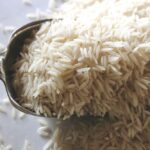
Unlocking the Secrets of Chinese Rice Mills: Tradition Meets Innovation
In the heart of China, where verdant paddies stretch across the horizon and rice is more than just a staple—it’s a way of life—lies a remarkable blend of age-old traditions and cutting-edge innovation. Rice mills, the unsung heroes of this agricultural tapestry, have evolved over the centuries, weaving together threads of heritage and modern technology. As the world becomes increasingly interconnected, the secrets held within these mills reflect not only the rich history of Chinese farming practices but also the dynamic advancements that cater to a global market.This article delves into the intricate workings of Chinese rice mills, exploring how centuries-old techniques harmoniously coexist with modern innovations, ensuring that the staple food of billions remains a symbol of nourishment, culture, and progress. Join us on a journey to unlock the secrets of these transformative spaces, where tradition meets innovation in every grain.
Exploring the Historical Foundations of Chinese Rice Milling Practices
From early civilization to contemporary production, the journey of rice milling in China is a tapestry woven with threads of tradition and innovation. Historical texts reveal that the process started with simple hand tools, where farmers would husk rice by pounding it with wooden pestles in mortars. This labor-intensive method laid the groundwork for more sophisticated milling techniques that emerged during the Han Dynasty, when water-powered mills began to revolutionize the way rice was processed. The evolution continued through the centuries, with the introduction of stone grinders and eventually mechanized systems in the 20th century, illustrating a remarkable shift towards efficiency while retaining the cultural significance of rice in Chinese cuisine.
As we examine the changes in rice milling practices, it’s interesting to note how technology has harmonized with tradition. Key developments in milling technology have included:
- the introduction of automated machinery in the 1960s that has allowed for rapid processing while maintaining grain quality.
- Advancements in sorting and grading technology that ensure uniformity and help meet modern market demands.
- Sustainable practices that emerged in response to environmental concerns, incorporating energy-efficient methods and waste recycling.
Today, Chinese rice mills stand at the crossroads of heritage and progress, merging ancient techniques with state-of-the-art technologies.This blend not only preserves cultural identity but also ensures that quality rice remains a staple in both local and global markets. The historical foundations of these practices offer valuable insights into the resilience and adaptability of Chinese agriculture.
Harnessing Modern Technology for Enhanced Efficiency and Quality
in the realm of rice milling,the integration of modern technology has become a catalyst for achieving superior efficiency and quality. Employing automated systems, contemporary Chinese rice mills have transformed conventional practices into streamlined operations. With the introduction of smart sensors and advanced milling machinery, these facilities can now monitor and adjust their processes in real time, ensuring optimal outcomes. The benefits are manifold:
- Increased Precision: advanced technologies enable precise control over milling parameters, reducing waste and enhancing the quality of the final product.
- Real-Time Monitoring: Smart systems provide data analytics that inform operators about equipment performance and grain quality, leading to informed decisions.
- Labor Efficiency: Automation minimizes manual labor, allowing skilled workers to focus on quality control and innovation rather than repetitive tasks.
Additionally, the implementation of machine learning and AI-driven analytics is redefining quality assurance in rice production.By analyzing historical production data, mills can predict outcomes and adapt processes proactively.The following table illustrates some technological advancements that enhance efficiency in rice milling:
| technology | Benefit |
|---|---|
| automated Sorting Machines | Eliminates defective grains, enhancing quality. |
| Robotic Packing Systems | Speeds up the packaging process, reducing labor costs. |
| IoT-Enabled equipment | Facilitates remote monitoring and troubleshooting. |
Sustainability in Operation: Balancing Tradition with environmental Responsibility
As the world gravitates towards sustainability, Chinese rice mills are weaving traditional practices with modern innovations to create a more environmentally kind operation. These mills, steeped in history, are embracing advances such as renewable energy sources, wich are being seamlessly integrated into traditional milling methods. By adopting solar panels and biomass energy systems,mills not only reduce their carbon footprint but also ensure a reliable power supply for their operations. Furthermore, water conservation techniques, including recirculation systems and rainwater harvesting, are implemented to minimize waste and maximize resource efficiency.
In addition to energy and water efficiency,rice mills are now prioritizing waste management and eco-friendly packaging. Mills are striving to reduce their reliance on single-use plastics by opting for biodegradable materials and encouraging the community to participate in sustainable practices. To visualize these efforts, consider the following table that highlights key sustainability initiatives:
| Initiative | Description | Impact |
|---|---|---|
| Solar Panels | Utilizing solar energy to power milling operations. | Lower energy costs and reduced emissions. |
| water Conservation | Implementing recirculation and rainwater harvesting systems. | Reduced water consumption and operational costs. |
| Biodegradable Packaging | Switching to eco-friendly packaging materials. | Less plastic waste and promotional of sustainability. |
Navigating the Future: strategies for Growth in a Competitive Market
As the global rice market becomes increasingly competitive, Chinese rice mills are striving to maintain their edge through a blend of tradition and innovation. This unique approach allows them to capitalize on long-standing techniques while integrating modern technologies that enhance productivity and quality. By implementing state-of-the-art milling equipment and adopting advanced data analytics, these mills can optimize their operations and identify emerging trends in consumer preferences. This strategy not only boosts efficiency but also ensures that the rice produced meets the highest standards, catering to domestic and international markets alike.
In addition to technological advancements, embracing sustainability has emerged as a crucial aspect for growth in this sector.Many rice mills are focusing on eco-friendly practices,which resonate well with environmentally-conscious consumers. Key strategies include:
- Reducing water consumption during the milling process.
- Utilizing by-products for bioenergy or livestock feed.
- Implementing waste management systems to decrease environmental impact.
Moreover, collaboration with local farmers and communities fosters a streamlined supply chain that not only optimizes production but also supports local economies. These grains of wisdom reflect a progressive mindset that values both the past and the future, ensuring that Chinese rice mills can rise to the challenges and opportunities presented by the global market.
| Strategy | Benefit |
|---|---|
| Investment in Technology | Increased productivity |
| Sustainability Practices | Enhanced brand loyalty |
| Community Partnership | Stronger local ties |
Key Takeaways
In unraveling the tapestry of Chinese rice mills, we discover a harmonious blend of time-honored traditions and cutting-edge innovations. these facilities stand not only as pillars of agricultural history but also as dynamic hubs where old-world craftsmanship meets modern technology. The journey through rice milling reveals how centuries-old techniques adapt to contemporary demands, ensuring that this staple grain continues to play an essential role in global food security. As we reflect on the intricacies of this industry,it becomes clear that the future of rice milling in China is rooted in a deep respect for its past,promising not just the sustenance of nations but also the preservation of cultural heritage. In the delicate balance between tradition and advancement, Chinese rice mills exemplify a remarkable evolution worth celebrating.