Unlocking Potential: Insights into Paddy Processing Units
In the heart of agricultural landscapes, where verdant fields sway gently in the breeze, lies an untapped realm of possibility—paddy processing units. These hubs of innovation and efficiency stand as silent witnesses to a transformative journey, taking humble grains of rice from the field to our tables. As the global demand for rice continues to rise, understanding the intricacies of paddy processing becomes paramount. This article delves into the inner workings of these vital units,exploring the technologies,practices,and enduring approaches that unlock the full potential of rice production. By illuminating the importance of paddy processing units,we aim to highlight their role not only in boosting agricultural productivity but also in fostering economic growth and food security. Join us as we uncover the layers of expertise,dedication,and ingenuity behind this essential component of the agricultural supply chain.
Exploring the Modern Landscape of Paddy Processing Units
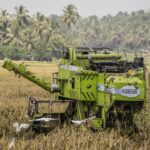
The modern landscape of paddy processing units is witnessing a paradigm shift, driven by technology and sustainability.With the increasing demand for rice and the push for eco-kind practices, these units are not just about turning paddy into rice anymore. They embody a fusion of conventional methods and innovative technologies, enhancing efficiency, quality, and yield. Facilities are now integrating advanced machinery that automates various stages of the process, from milling to packaging, ensuring precision and reducing waste. This evolution is leading to a more sustainable approach that not only maximizes output but also minimizes carbon footprints.
As paddy processing units evolve, they are also adapting to consumer preferences and market dynamics.This adaptability is key to unlocking potential in the agricultural sector. Key features of modern units include:
- Traceability: Advanced systems for tracking the journey from farm to table.
- Quality Control: Adoption of rigorous testing for superior product standards.
- Energy Efficiency: Implementation of renewable energy sources to power operations.
- Product Diversification: Offering value-added products such as rice bran oil and rice flour.
to illustrate the transformative impacts, here is a brief comparison of traditional versus modern processing methods:
| Aspect | Traditional Processing | modern Processing |
|---|---|---|
| Efficiency | Manual labor-intensive | Automation and mechanization |
| Waste Management | Limited recycling | Integrated waste-to-value systems |
| Final Product Quality | Varied quality | Consistent quality assurance |
This evolution in paddy processing units underscores the critical role they play in food security and economic growth, paving the way for a more resilient agricultural framework that meets modern demands while honoring traditional practices.
Key Technologies Revolutionizing Paddy Transformation
the landscape of paddy processing is undergoing a profound transformation, driven by innovative technologies that enhance both efficiency and quality. Advancements in automation are redefining operational workflows in processing units, enabling seamless integration of machines that can handle tasks such as milling, sorting, and packaging with minimal human intervention. These systems leverage smart sensors and IoT (Internet of Things) capabilities to monitor grain conditions and optimize the processing environment, ensuring superior quality and reducing waste.
Another pivotal technology reshaping this sector is biotechnology,particularly in the development of high-yield,pest-resistant rice varieties. This not only improves crop output but also reduces dependency on chemical pesticides, aligning with sustainable agricultural practices. Additionally, the use of advanced data analytics is gaining traction, allowing producers to make informed decisions based on real-time data analytics related to market trends and consumer preferences. This empowers paddy processors to tailor their operations for better profitability and environmental stewardship.
Sustainability Practices: Enhancing Efficiency and Reducing Waste
In the pursuit of operational excellence, paddy processing units are increasingly adopting innovative sustainability practices that not only enhance efficiency but also substantially reduce waste output.By utilizing advanced technologies such as biomass energy recovery and water recycling systems, these facilities are paving the way for a greener approach to rice processing.As a notable example, incorporating a closed-loop water system minimizes the discharge of wastewater and ensures that vital resources are conserved throughout the milling process. Additionally, waste by-products, once viewed as liabilities, are now being transformed into valuable resources, such as bio-fertilizers or animal feed.
A critical aspect of these sustainability practices is their focus on creating a circular economy within the paddy processing sector. Some key initiatives include:
- Energy-efficient machinery: Upgrading to energy-saving equipment that reduces electricity consumption.
- Employee training programs: Empowering staff with knowledge on sustainable practices and their importance.
- Partnerships with local farmers: Ensuring that all aspects of production and waste management are considered and optimized.
this holistic approach not only minimizes environmental footprints but also ensures that paddy processing units can operate more cost-effectively, ultimately contributing to their overall viability and success in an increasingly eco-conscious market.
Strategic Recommendations for Optimizing Paddy Processing Operations
To enhance the efficiency of paddy processing units, it is essential to adopt a multifaceted approach that combines technology, human resources, and sustainable practices. First and foremost, investing in modern machinery can significantly streamline operations, reduce manual labor, and minimize product loss. Equipment such as automatic rice milling systems and efficient drying technologies should be prioritized. In addition, regular maintenance schedules can prevent unexpected downtimes and extend the lifespan of these machines. Moreover, integrating smart technologies like IoT systems can facilitate real-time monitoring of processes, ensuring timely interventions and optimal resource utilization.
Moreover, fostering a culture of continuous betterment among staff can lead to remarkable gains in productivity. Implementing regular training programs to enhance employees’ skills and knowledge about best practices in paddy processing can yield better results. Additionally, creating a feedback loop where team members can share insights and suggestions on operational challenges can lead to innovative solutions. Pairing this approach with environmentally friendly practices, such as waste recycling and energy conservation measures, not only enhances operational efficiency but also aligns with global sustainability goals. By prioritizing these strategies, paddy processing units can unlock their full potential, driving growth and profitability.
The Way Forward
As we draw the curtains on our exploration of Paddy processing Units, it’s clear that these facilities are more than just hubs of agricultural activity; they represent a cornerstone of food security and economic stability. The intricate dance of technology, traditional methods, and innovation woven into the processing of paddy reveals the profound impact these units have on local and global scales alike. By unlocking the potential of these essential operations, we not only enhance the quality of rice—a staple for billions—but also nurture communities, boost livelihoods, and contribute to sustainable practices.
As we move forward, the insights gained here serve as a reminder of the critical role that understanding and optimizing paddy processing can play in shaping a resilient agricultural landscape. The future beckons with opportunities for improvement and innovation, urging us to remain committed to enhancing the efficiency and sustainability of these vital enterprises. The journey of paddy from field to fork is a testament to human ingenuity, and as we continue to refine our approaches and embrace new technologies, we unlock not just the grains, but a multitude of possibilities for generations to come.