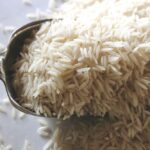
In the heart of culinary traditions across the globe lies an ingredient so versatile and fundamental that it has fed billions: rice.Often viewed simply as a staple, this humble grain possesses a rich narrative that unfolds from the paddy fields to the finest dining tables. “From Grain to gourmet: the Art of Rice Processing Unveiled” invites you to embark on a captivating journey through the intricate processes that transform ordinary rice into a gourmet delight. This exploration not only highlights the meticulous techniques involved in rice processing but also reveals the cultural significance and innovative approaches that elevate this simple grain to new culinary heights. Join us as we delve into the methods, craftsmanship, and artistry behind rice, celebrating its evolution from a basic food source to a gourmet ingredient cherished by chefs and food lovers alike.
Understanding the Journey of Rice: From Field to Fork
The journey of rice begins in lush, green fields where carefully nurtured plants flourish under the sun. Farmers play a pivotal role in this process,employing customary methods alongside modern techniques. The cultivation phase is marked by a series of critical steps, including:
- Readiness of the Land: Tilling, leveling, and enriching the soil to create optimal growing conditions.
- Sowing: Planting seeds at the right time and depth,ensuring a healthy crop.
- Irrigation Management: Maintaining proper water levels to sustain growth, particularly during dry spells.
- Pest and Weed Control: Implementing lasting practices to protect the crop without harming the environment.
Once harvested, the rice embarks on its next phase, where it undergoes a meticulous processing journey. This stage is crucial in transforming it from raw grain to a culinary delight. Key processes involve:
- Drying: Reducing moisture content to prevent spoilage and maintain quality.
- Milling: Removing husks and bran to produce white rice,with variations allowing for whole grain or parboiled options.
- packaging: Sealing in freshness and flavor, often in eco-friendly materials to promote sustainability.
| Rice type | Key Characteristics | Best Uses |
|---|---|---|
| Jasmine | Aromatic with a delicate flavor | thai dishes, salads |
| Basmati | Long grain, fluffy texture | Curry, pilafs |
| Arborio | Short grain, creamy texture | Risottos |
Mastering the Techniques: Essential methods in Rice Processing
To transform raw rice into a culinary delight, mastering its processing techniques is crucial.The journey from unrefined grain to a gourmet experience involves several essential methods that ensure quality, flavor, and texture.For starters, the most fundamental step is drying; this not only preserves the grain but also enhances its shelf life. following drying, the process of milling comes into play, which involves removing the husk and bran layers. This step can greatly affect the nutritional value and taste, as whole grain rice retains more nutrients compared to polished variants. Various milled forms such as white rice or brown rice yield different culinary characteristics, making selection an important decision for chefs and home cooks alike.
Another meaningful method worth noting is polishing, where rice undergoes a meticulous refinement process to achieve a desired sheen and texture. Additionally, soaking is a common practice prior to cooking, which allows grains to absorb moisture and ensures even cooking. Other techniques such as parboiling, which partially cooks the rice while it is still in the husk, help to retain nutrients and improve the cooking qualities of certain rice types. Each of these methods contributes to the overall quality of the finished product and provides a variety of options for culinary creativity.
| Processing Method | Description |
|---|---|
| Drying | Reduces moisture content to extend shelf life. |
| Milling | Removes husk and bran layers; affects nutrition & taste. |
| polishing | Enhances appearance and texture of the rice. |
| Soaking | Prepares rice for even cooking by absorbing water. |
| Parboiling | partially cooks rice for better nutrient retention. |
Elevating Flavor Profiles: The Role of Aging and Storage
aging rice is not merely a method of preservation; it’s an art form that dramatically influences flavor, texture, and aroma. Just like fine wines and aged spirits, aged rice develops a depth that enhances culinary dishes. As the grains mature, they undergo complex biochemical changes that amplify their nutty undertones and distinct fragrance.The quality of storage plays a critical role in this change, as environmental factors such as humidity, temperature, and exposure to light can either preserve or degrade these delicate flavors. To achieve optimal results, it’s vital to consider:
- Humidity Control: Lower humidity prevents mold and preserves flavor.
- Temperature Regulation: Cooler temperatures improve longevity and prevent spoilage.
- Dark Storage: Protecting grains from light helps maintain their natural oils and aromas.
In many cultures,the practice of aging rice has been passed down through generations,with families guarding their techniques as treasures. Some even believe that the longer the storage, the more refined the taste, which can lead to richer dishes. The understanding of how to properly age rice is essential for chefs who seek to elevate their culinary creations. Below is a quick reference table outlining the effects of different aging times on flavor and usage:
| Aging Duration | Flavor Development | Recommended Usage |
|---|---|---|
| 0-6 months | Fresh, light, and slightly grassy | Ideal for sushi and salads |
| 6-12 months | Noisier, with enhanced nuttiness | Suitable for stir-frying and pilafs |
| 1-2 years | Rich, complex flavors with depth | Perfect for risottos and gourmet dishes |
Sustainable Practices in Rice Production: Enhancing Quality and Eco-Friendliness
In the quest for sustainability in rice production, several innovative practices are taking centre stage. by integrating eco-friendly methods, farmers not only enhance the quality of their grains but also contribute to environmental health. Some noteworthy practices include:
- Crop Rotation: Alternating rice with legumes or pulses helps enrich the soil, reducing the need for chemical fertilizers.
- Water Management: Techniques such as alternate wetting and drying minimize water usage while maintaining rice yields.
- Organic Farming: Utilizing organic fertilizers and pest management can lead to healthier crops and reduce agricultural runoff.
- Agroforestry: Planting trees alongside rice paddies can enhance biodiversity and offer additional income through timber or fruit.
To further illustrate the impact of these sustainable practices, consider the following comparison of traditional versus sustainable production methods:
| Aspect | Traditional Methods | Sustainable Practices |
|---|---|---|
| Water Usage | High | Reduced |
| Fertilizer Usage | Chemical Dominant | Organic Preferred |
| Biodiversity | Low | Enhanced |
| Yield Quality | Standard | Superior |
By focusing on these sustainable techniques, rice production can evolve into a system that not only meets culinary needs but also respects our planet’s resources. Adoption of these practices promises not only an improved grain quality but also a commitment to enhancing eco-friendliness in agricultural operations.
Concluding Remarks
As we conclude our exploration of the fascinating journey from grain to gourmet, it becomes clear that rice processing is not merely an industrial activity but an intricate art form that weaves together culture, tradition, and innovation. Each grain tells a story, shaped by the land it comes from and the hands that nurture it. From the meticulous harvest to the transformative processes that enhance its texture and flavor, the journey of rice reflects humanity’s enduring relationship with food.
As consumers, understanding this process enriches our gratitude for the humble grain that graces our tables across the globe. The next time you savor a bowl of perfectly cooked rice, take a moment to reflect on the craftsmanship that brought it to your plate. In recognizing the blend of science and artistry that lies within rice processing, we honor the legacy of generations past and celebrate the culinary possibilities of the future. With this newfound insight, may your meals be flavorful, your ingredients thoughtfully chosen, and your appreciation for rice deepened.